
What It’s Like to Camp in a 4x4 Across Botswana’s Wilderness
Long before sunrise, a deep, resonant rumble drifts through the darkness. It’s the rainy season,...
 4 September 2026




Searching...
Snow in South Africa feels almost improbable. A country known for sun-drenched coastlines and dry savannahs suddenly softens under a thin, quiet layer of white. It does not happen everywhere, and it doesn’t last long, which is exactly why it draws people in each winter.
If you’ve ever found yourself searching, ‘Where can I find snow near me?’ or wondering where in South Africa it snows, winter is the moment to lean into that curiosity. With the right timing and a willingness to travel, there are places where frost deepens into snowfall, and familiar landscapes shift into something entirely different.
Here are six of the best places to experience snow in South Africa this winter, along with what to expect in 2026 and how to get there safely.
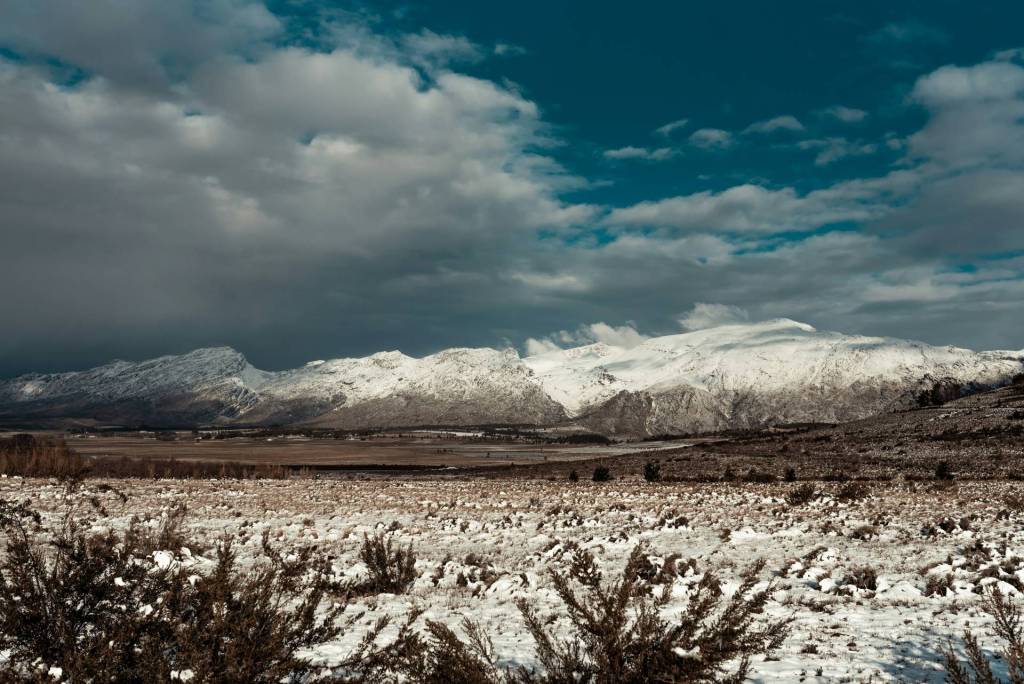
High in the Eastern Cape Highlands, Rhodes carries winter differently. The village slows, smoke rises from chimneys, and gravel roads crunch under frost before the sun reaches them.
Snowfall here is not guaranteed, but when it arrives, it settles gently across the surrounding hills and along Naude’s Nek Pass, one of the highest gravel passes in the country. The landscape becomes muted, almost hushed.
This isn’t a place for spectacle. It’s for those who want to sit beside a fire, wake to frozen windows, and step outside into something still and unhurried.
Getting there: A high-clearance vehicle is recommended in winter, especially if snow or ice has settled on the passes.
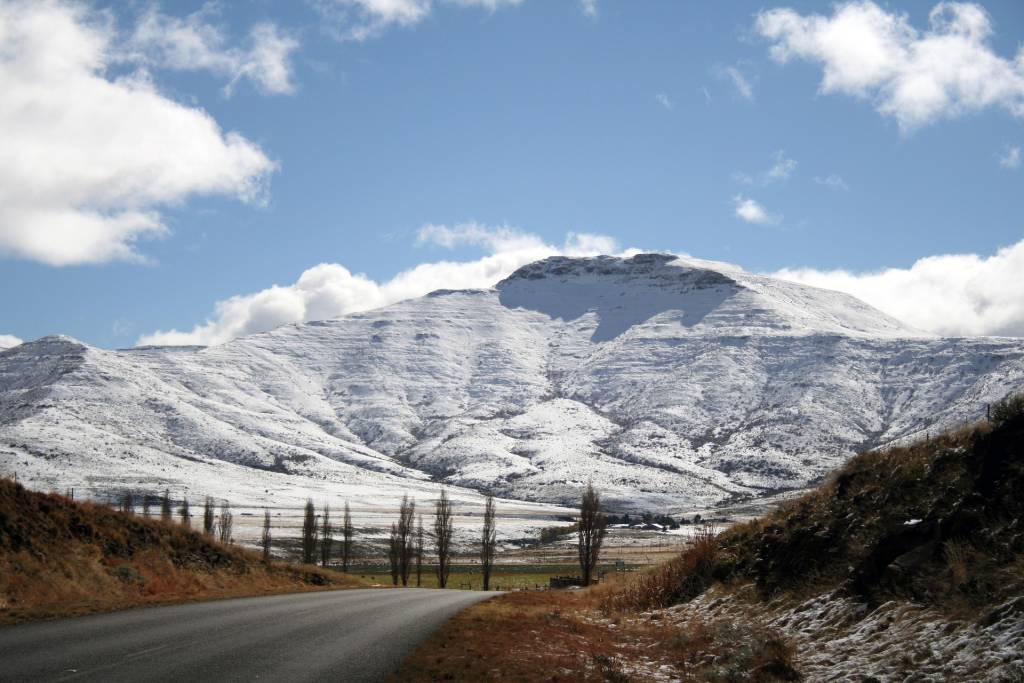
Molteno is often called the coldest town in the country, and in winter it earns that reputation. The surrounding Stormberg region is exposed and windswept, with temperatures that drop low enough to support regular snowfall in good years.
Nearby towns like Dordrecht and Jamestown sit within reach of these conditions, and when a cold front pushes through, the entire plateau can turn white. Fields freeze over, fences gather icicles, and roads demand patience.
If you’re asking where it snows in South Africa, this region is one of the most consistent answers.
What to expect: Snow here tends to arrive with strong weather systems, so always keep an eye on the snowstorm weather forecast before travelling. Also, be prepared for black ice.
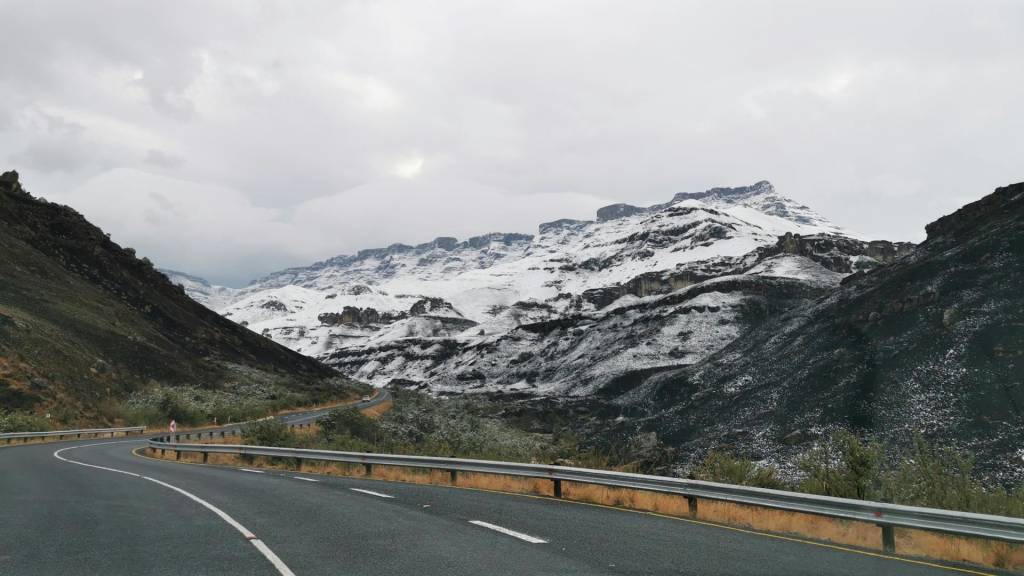
Sani Pass is not subtle. It climbs sharply from the green valleys near Underberg into high-altitude terrain that leads into Lesotho. By the time you reach the top, the air is thinner, colder, and far more unpredictable.
At over 2,800 metres, this is one of the most reliable places to see snow in Southern Africa. When snowfall hits, the pass transforms quickly, with rock, gravel, and grass all disappearing under white.
The drive itself is part of the experience. Tight bends, steep gradients, and shifting conditions mean this is not a casual outing.
Important: A 4×4 is required by law to drive Sani Pass. Conditions can change within hours, especially during active weather systems. Also, to reach the roof of Africa, you need a valid passport.
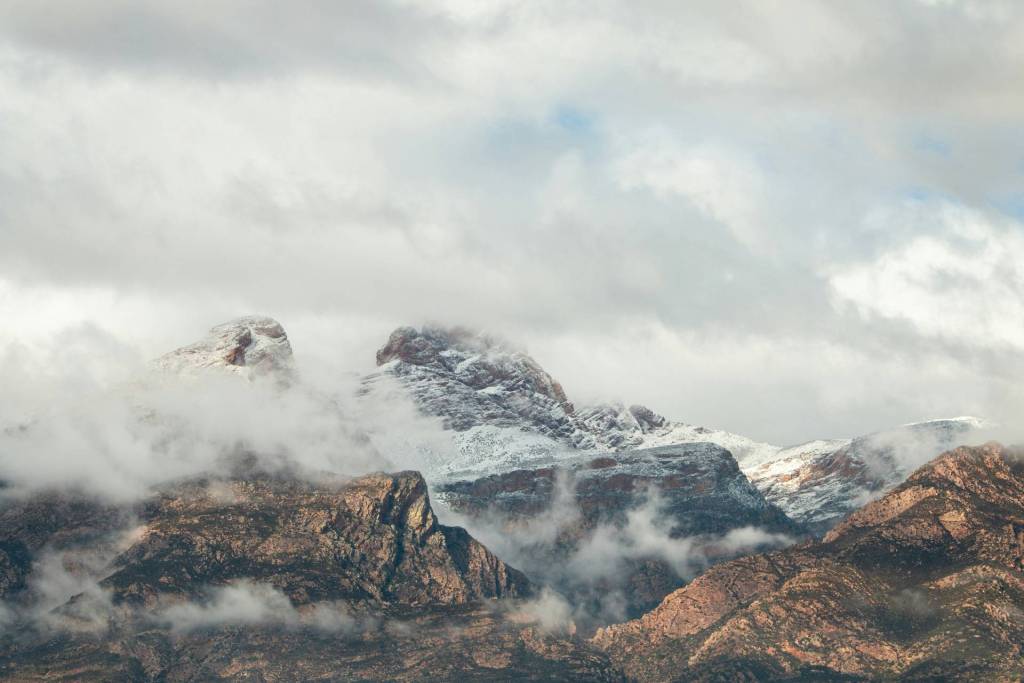
For those based in the Western Cape, Matroosberg offers one of the most accessible chances to see snow in South Africa. Just a few hours from Cape Town, this mountain reserve becomes a focal point whenever snowfall is forecast.
In strong cold fronts, the upper slopes turn white, drawing day visitors and weekend travellers looking for a brief encounter with snow. It’s one of the few places where you might build a snowman in the morning and be back home by evening.
Timing matters: Snow here is highly weather-dependent. If you’re tracking possible snow in South Africa, this is one of the first places to watch.
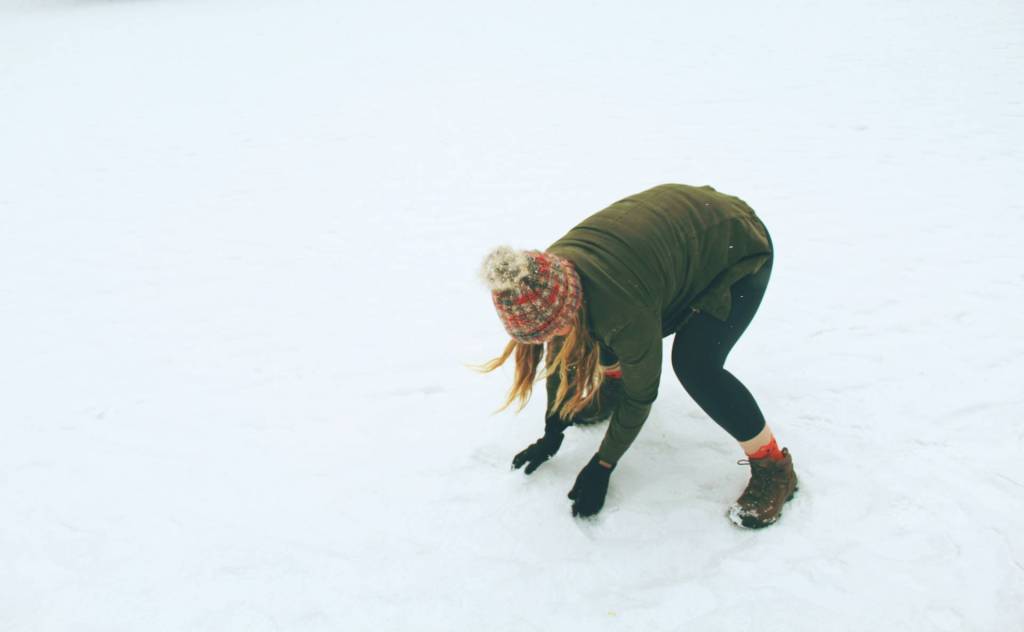
While technically beyond South Africa’s borders, Afriski Mountain Resort in Lesotho offers something the rest of the region cannot: a structured snow experience.
Set high in the Maloti Mountains, Afriski combines natural snowfall with snowmaking technology, making it the most reliable option if you want to ski or snowboard. It’s less about chasing a fleeting moment and more about settling into winter for a few days.
Travel note: Access routes can be affected by snow and ice, so a suitable vehicle and careful planning are part of the journey.
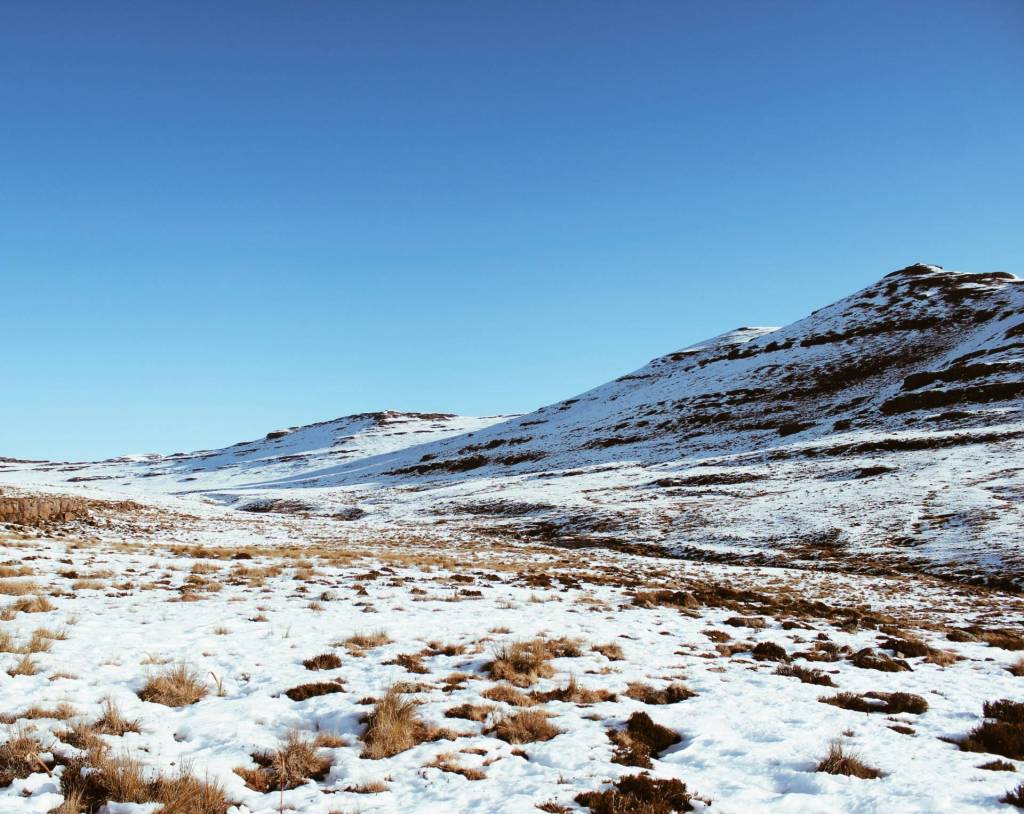
Barkly East sits quietly along the Kraai River, surrounded by mountains that hold onto winter just a little longer. Snowfall here tends to settle on higher ground, especially along Joubert’s Pass, while the town itself feels the cold in other ways: frozen mornings, icy water, and air that bites.
It’s a place where winter does not rush. Anglers still head out, casting into cold rivers, while the surrounding hills shift between brown, white, and silver depending on the weather.
If you are exploring where to see snow in South Africa without the crowds, this is worth the detour.
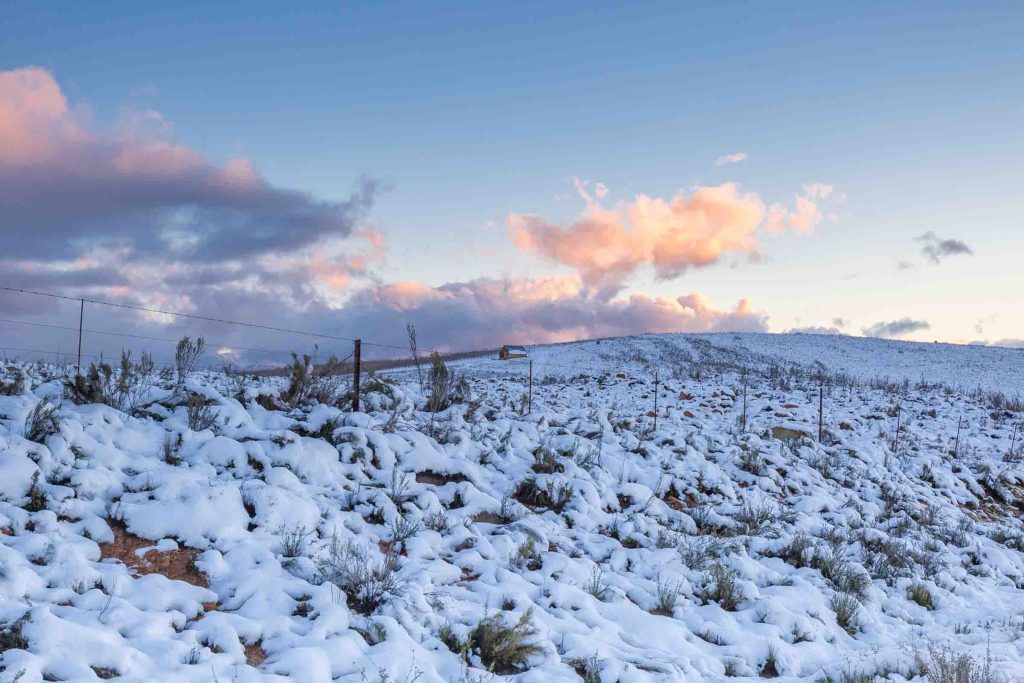
Early indicators for winter 2026 suggest a season shaped by colder outbreaks across high-altitude regions, particularly in the Drakensberg, Eastern Cape Highlands, and parts of the Western Cape.
While long-range forecasts can never promise exact snowfall dates, conditions point towards increased chances of snow during strong cold fronts between June and August. Areas like Sani Pass, Rhodes, and Matroosberg remain the most likely to see measurable snowfall.
For travellers tracking the snow forecast in Gauteng, South Africa, or inland regions, snowfall is far less common but not impossible. Occasional cold snaps can bring light snow to higher elevations, though it rarely settles.
The key is flexibility. Snow in South Africa doesn’t follow a fixed schedule; it arrives when the conditions align.
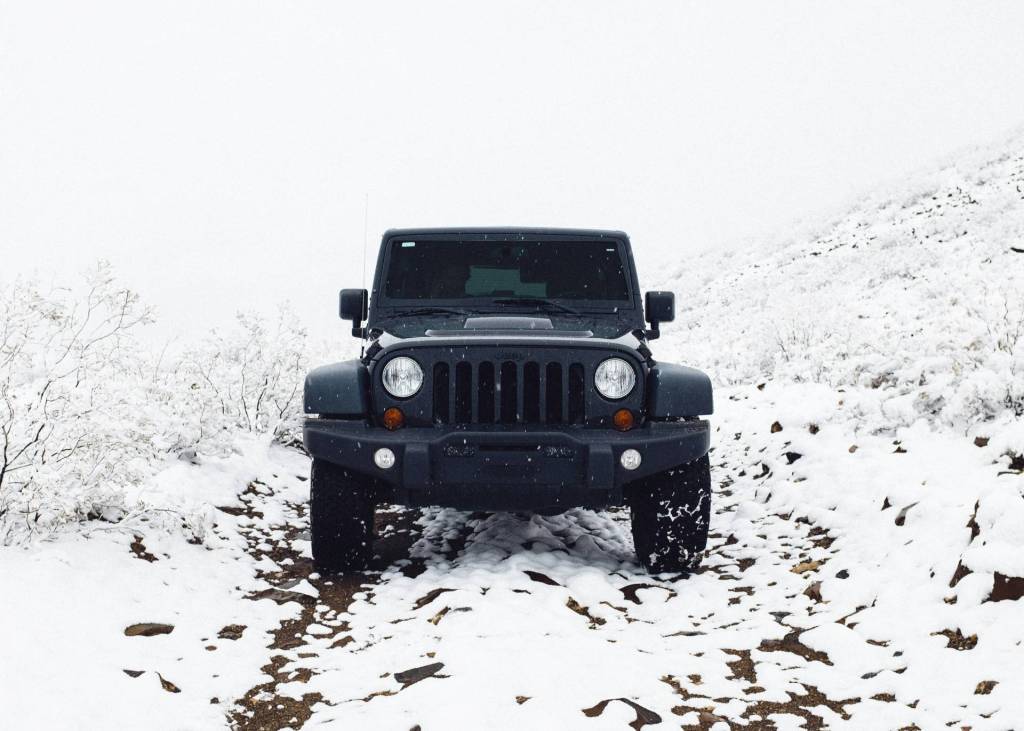
Snow may be rare here, but when it does arrive, roads change quickly. Ice forms in shaded areas, gravel becomes slick, and mountain passes demand more control than usual.
For destinations like Sani Pass, Rhodes, or high-altitude routes, a 4×4 is often the safest choice. It gives you traction, stability, and confidence on uneven or icy terrain.
For places like Matroosberg or Barkly East, a vehicle with good ground clearance can make a noticeable difference, especially after snowfall.
A few practical considerations:
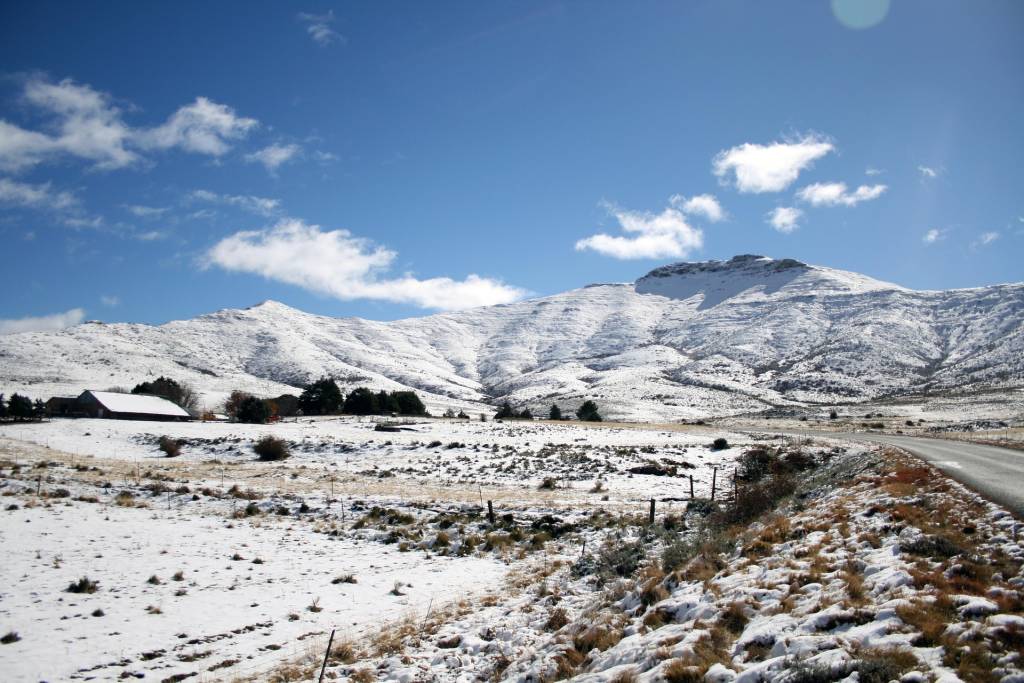
If you’re planning ahead, the best time to see snow in South Africa typically falls between June and August. July often brings the strongest cold fronts, but each year behaves slightly differently.
The real answer is less about a fixed date and more about watching the weather closely. Snowfall is tied to specific systems moving across the country, and timing your trip around those windows makes all the difference.
Snow in South Africa doesn’t arrive with certainty. It doesn’t linger for months. It appears, reshapes the landscape, and then fades.
That fleeting nature is part of the pull. It turns an ordinary road trip into something far more memorable, a moment where the familiar feels briefly unfamiliar.
If you’re considering a winter drive this year, keep your plans flexible, your routes open, and your timing sharp. When the forecast shifts, that’s your cue.
And when it does, you’ll want to be ready to go.
Long before sunrise, a deep, resonant rumble drifts through the darkness. It’s the rainy season,...
4 September 2026

A Botswana green season safari offers one of Southern Africa’s most sensational wilderness transformations. Between...
1 September 2026
South Africa in August is a country of scenic contrasts. In the north, dry landscapes...
21 August 2026



Typically responds in under 15 minutes