
What It’s Like to Camp in a 4x4 Across Botswana’s Wilderness
Long before sunrise, a deep, resonant rumble drifts through the darkness. It’s the rainy season,...
 4 September 2026




Searching...
For decades, the Kruger National Park has stood as the crown jewel of African conservation – a vast, untamed wilderness where the rhythm of life is dictated by the seasons. However, in early 2026, those rhythms were violently interrupted. The flooding in Kruger National Park throughout January and early February has been described by long-term rangers as a “once-in-a-century” event, leaving a trail of infrastructure damage that has tested the resilience of SANParks and the local tourism industry alike.
If you’re planning a self-drive safari, you might be asking: “Is it safe to visit? What is actually open? And how have the Kruger floods changed the landscape?”
As of late February 2026, the message from the ground is clear: the park is open, the wildlife is thriving, and your visit is now more important than ever. Here’s everything you need to know about the current state of the Kruger National Park and how to navigate the recovery phase.
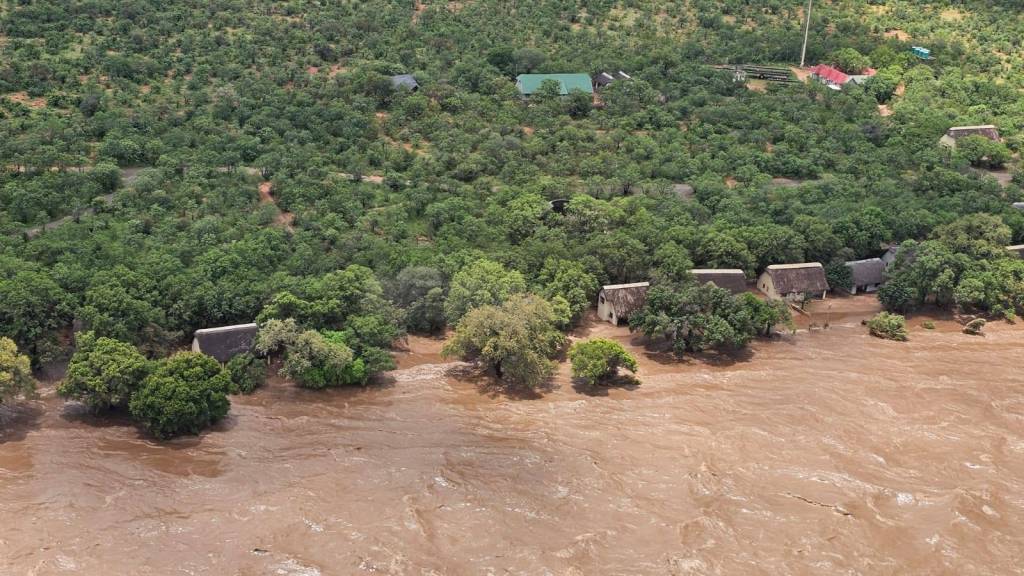
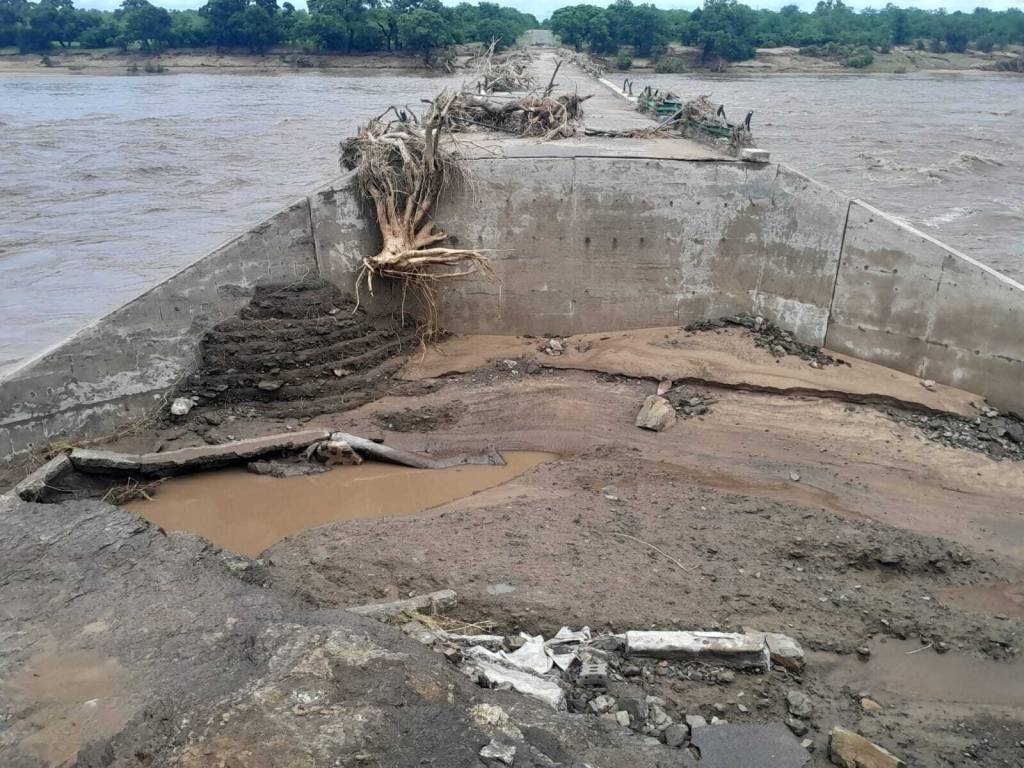
The floods in Kruger National Park were triggered by an extraordinary weather system that dumped upwards of 1,000 mm of rain in certain catchments within a single month – more than the annual average for much of the region. Rivers like the Olifants, the Sabie, and the Luvuvhu transformed from scenic waterways into raging torrents, breaching banks and overtopping bridges that had stood for decades.
According to recent media statements from the Parliament of South Africa, the damage to road infrastructure, staff villages, and tourism facilities is estimated at over R500 million. While the sheer scale of the flooding in Kruger National Park was daunting, the response was immediate. Thanks to the “sterling” rescue operations performed by SANParks, no lives were lost, and the focus has now shifted entirely to restoration.
The progress made in the last few weeks has been remarkable. We previously covered the initial phased reopening of the park in late January, which saw the first few gates, like Phalaborwa and Phabeni, welcome guests back under strict conditions. Since then, the recovery has accelerated significantly.
For those embarking on a Kruger self-drive safari today, the park’s layout has temporarily shifted. While the southern and central regions are largely operational, the northern reaches are still undergoing significant repairs.
The southern section, including the iconic Skukuza Rest Camp, remains the most accessible area for visitors. Most tarred roads in the south are open, though some low-level bridges remain under assessment. If you’re entering via Phabeni or Paul Kruger Gate, you’ll find that the primary routes are clear, though you should expect occasional detours around damaged culverts.
Satara and Olifants camps are welcoming guests, but the recent Kruger floods have left their mark on the gravel loop roads. The H7 route between Orpen and Satara – which suffered a major breach in late January – has recently been reopened for light vehicles, providing a vital artery for those looking to see the park’s famous lion prides. However, many of the “S”-roads (gravel roads) in the central region remain closed as graders work to repair washaways.
The far north – specifically the areas around Shingwedzi, Sirheni, and Pafuri – bore the brunt of the flooding in Kruger National Park. Recent updates from SANParks confirm that while Shingwedzi and Sirheni have partially reopened, the infrastructure in the Pafuri region remains fragile. Many of the bridges near Transport Dam and the Luvuvhu River require significant engineering work before they can safely carry heavy traffic again.
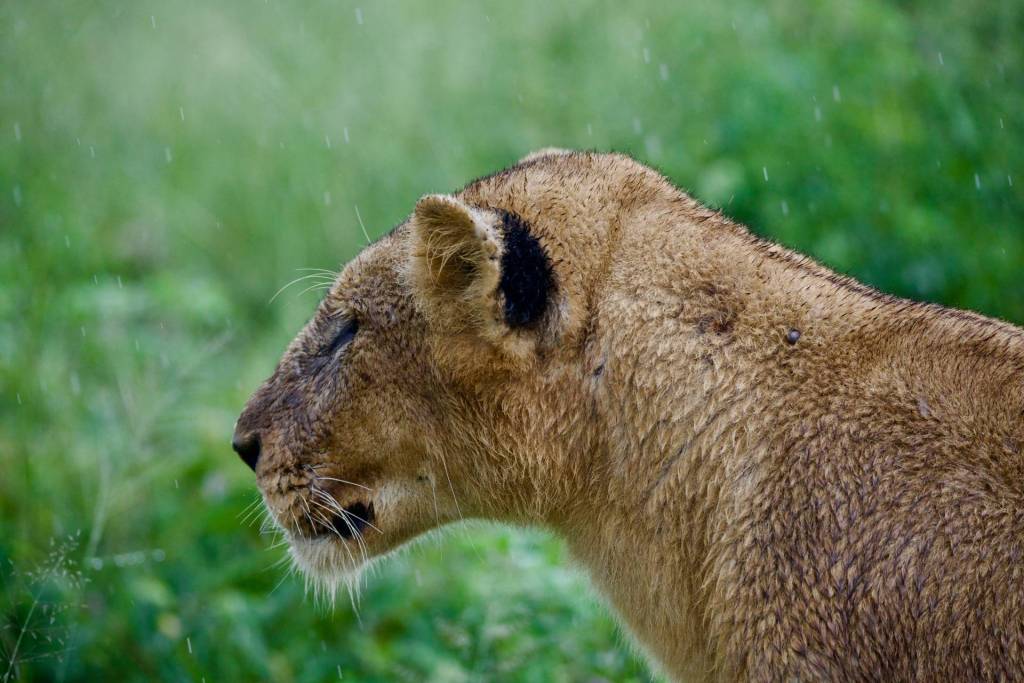
One of the most remarkable aspects of the Kruger floods is how the natural world reacts to such upheaval. While the infrastructure suffered, the ecosystem is currently in a state of “super bloom”.
The park is more lush and green than it has been in years. For a self-drive safari, this presents both a challenge and a reward. The thick vegetation means that spotting predators requires a keener eye and a slower driving pace – exactly how the Kruger National Park is meant to be experienced.
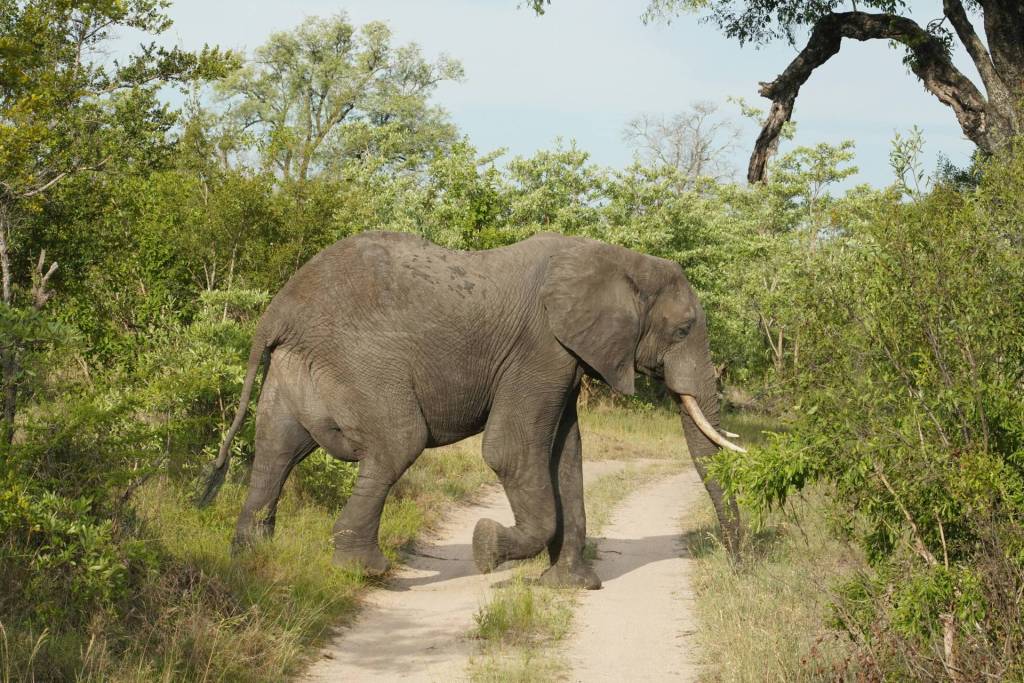
Reports from the Daily Maverick suggest that wildlife generally moved to higher ground well before the floodwaters peaked. The abundance of water throughout the park has dispersed the herds, so you’re no longer limited to finding animals only at major waterholes. Instead, you might find an elephant herd around any corner, enjoying the fresh, nutrient-rich grazing that the floods have provided.
If you’re heading into the Kruger National Park in the coming weeks, your approach needs to be slightly different from a standard dry-season trip.
The road to full recovery is long. As reported by The Citizen, the newly launched SANParks Kruger Recovery Fund has already raised over R2.2 million from public and corporate donations. However, with a repair bill exceeding R500 million, there is a significant funding gap.
Insurance covers only a portion of the modern infrastructure. The older, historic bridges and remote gravel networks rely on direct funding. For many regular visitors, Kruger is a precious heritage site. If you wish to contribute to the rebuilding of the park’s “economic lifeline”, donations can be made directly through the SANParks website.
There’s a common misconception that after the floods in Kruger National Park, the experience is diminished. In reality, the opposite is true.
Visiting the park during this recovery phase offers a unique perspective on the power of the African wilderness. You’ll see rivers that have redefined their banks, witness the incredible “green desert” of the basalt plains, and enjoy a park that’s significantly less crowded than usual.
Furthermore, the Kruger National Park generates nearly 80% of the total operating budget for the entire South African National Parks system. By choosing to go on a self-drive safari now, you’ll be directly contributing to the salaries of rangers, the protection of rhinos, and the restoration of one of the world’s most important ecological refuges.
The flooding in Kruger National Park was a reminder of who truly holds the power in the Lowveld. While the 2026 Kruger floods caused immense damage to the structures built by man, they’ve breathed new life into the soil.
The roads are being graded, the bridges are being surveyed, and the gates are wide open. Whether you’re a first-time visitor or a seasoned regular, the Kruger National Park is ready to welcome you. Pack your binoculars, book your high-clearance rental, and prepare for a self-drive safari that you’ll remember for the rest of your life.
Planning your trip? Stay updated with Drive South Africa for the latest vehicle rental options suited for the current park conditions, and ensure your Kruger adventure is both safe and spectacular.
Long before sunrise, a deep, resonant rumble drifts through the darkness. It’s the rainy season,...
4 September 2026
A Botswana green season safari offers one of Southern Africa’s most sensational wilderness transformations. Between...
1 September 2026
South Africa in August is a country of scenic contrasts. In the north, dry landscapes...
21 August 2026



Typically responds in under 15 minutes