
What It’s Like to Camp in a 4x4 Across Botswana’s Wilderness
Long before sunrise, a deep, resonant rumble drifts through the darkness. It’s the rainy season,...
 4 September 2026




Searching...
South Africa is a country that’s begging to be explored, and Drive South Africa can help you get behind the wheel and discover it at your own pace. From major attractions and scenic coastal roads to hidden gems and unforgettable wildlife encounters, self-driving gives you the freedom to build your own adventure. But is it easy to drive in South Africa if it’s your first time? With a little preparation and an understanding of local road rules, absolutely.
These 10 essential tips will help you understand how to drive in South Africa, stay safe, and make the most of your journey.
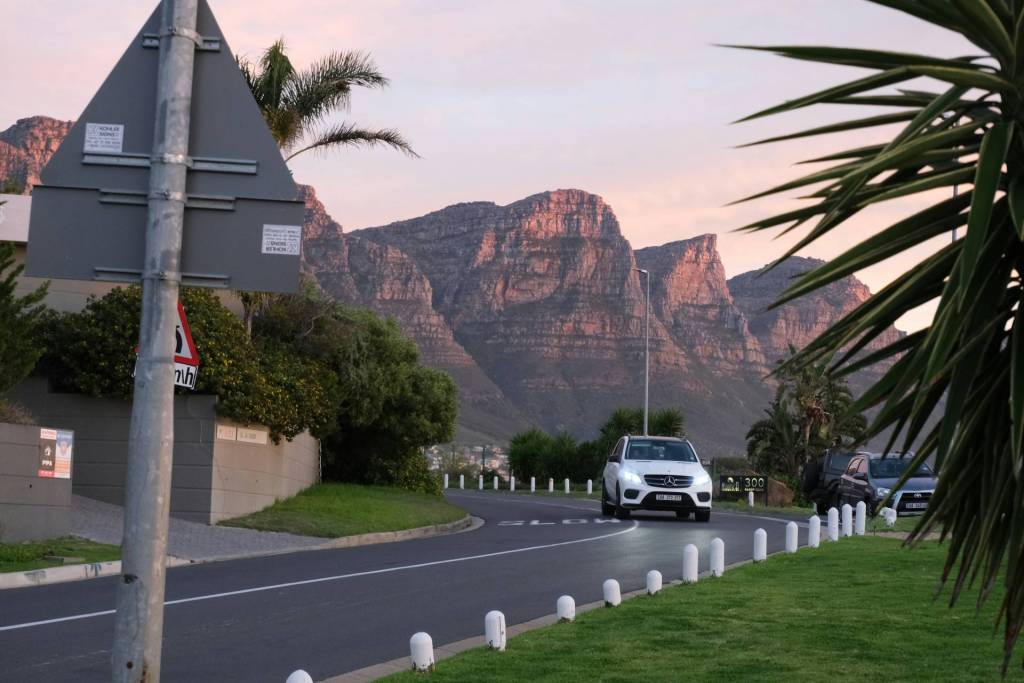
South Africa uses the British road navigation system, so you’ll need to drive on the left-hand side of the road. The driver’s seat will also be on the right-hand side of the car.
If you’re used to driving on the right-hand side of the road, take some time to get used to the difference.
South Africa uses kilometres rather than miles, so pay close attention to the speedometer and road signs. Speed limits are generally 60 km/h in urban areas, 100 km/h on rural roads and 120 km/h on highways, unless signs indicate otherwise.
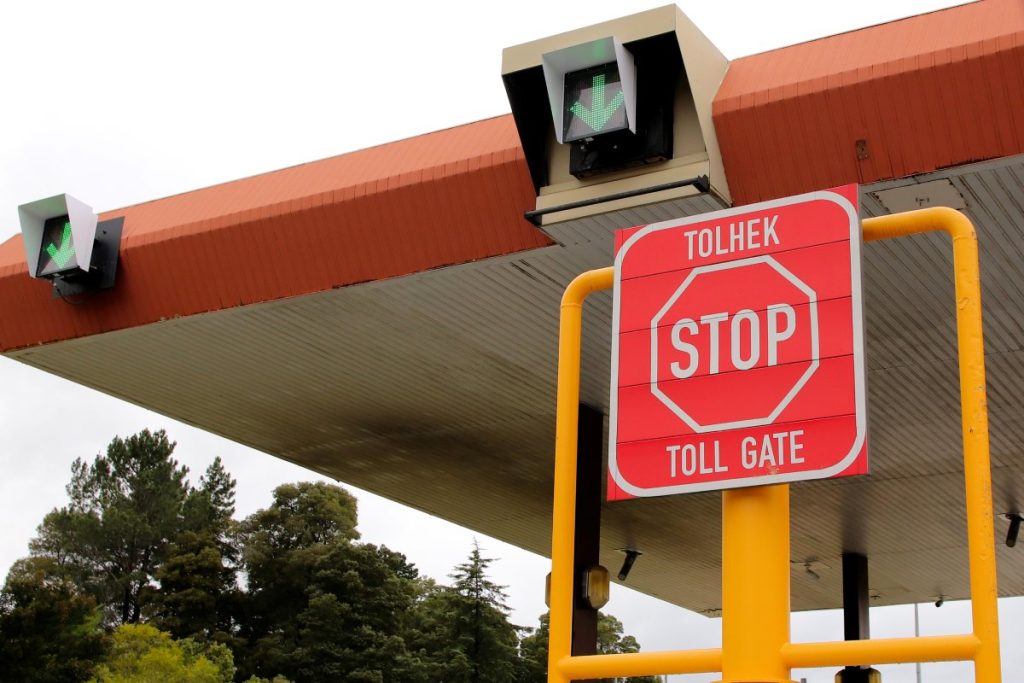
South Africa has a number of toll roads, particularly on its major highways. Toll payments can vary by route, so don’t assume that every toll booth accepts the same payment method. Cash and credit cards are accepted at many conventional toll plazas, while electronic mobility accounts or tags can make payment quicker on participating routes. It’s still a good idea to carry some South African rand as a backup.
South Africa’s rural areas and wilderness areas are hotspots for wildlife crossing the road at all hours of the day. Whether you come across goats, cattle, or even larger animals like elephants, be sure to slow down and give the animals the right of way.
Avoid driving at night to minimise your risk of having a wildlife-related accident.
When embarking on a legendary self-drive safari in South Africa, it’s crucial to remember that wildlife always holds the right of way. Within the boundaries of national parks, ensure you adhere to speed regulations, remain on established routes, and only exit your car at specifically marked safe zones.
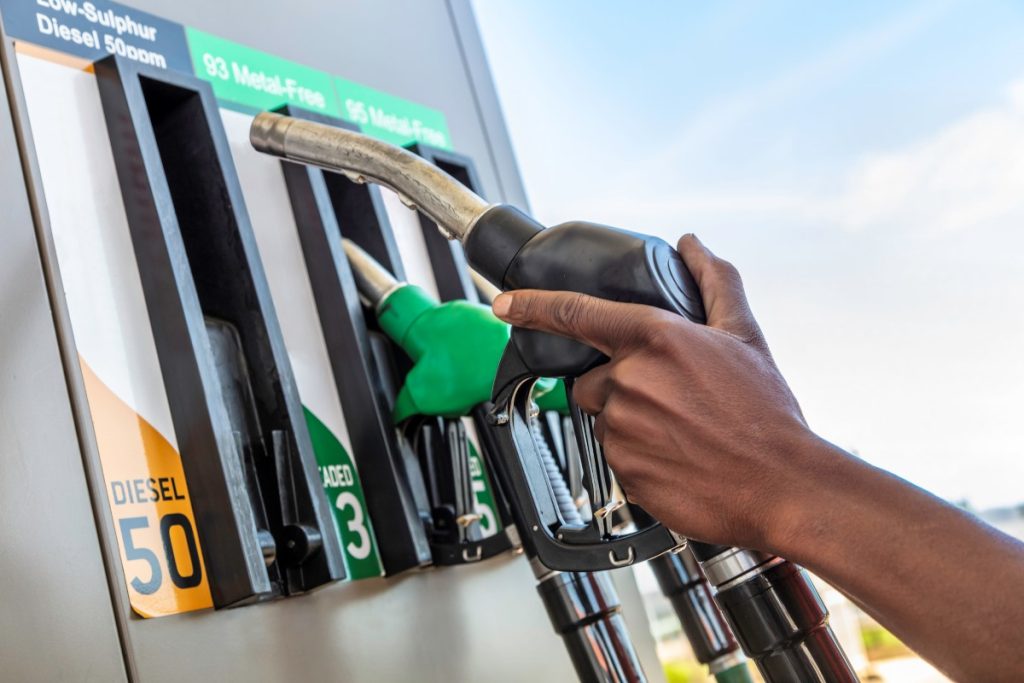
Unlike many other countries, South African fuel stations aren’t self-service. A petrol attendant will fill up your vehicle, and it’s good etiquette to give them a small tip (R10 to R20 will do). Many fuel stations also have convenience stores where you can stock up on snacks, water, and soft drinks.
Attendants can also check your oil, water, and tyre pressure.
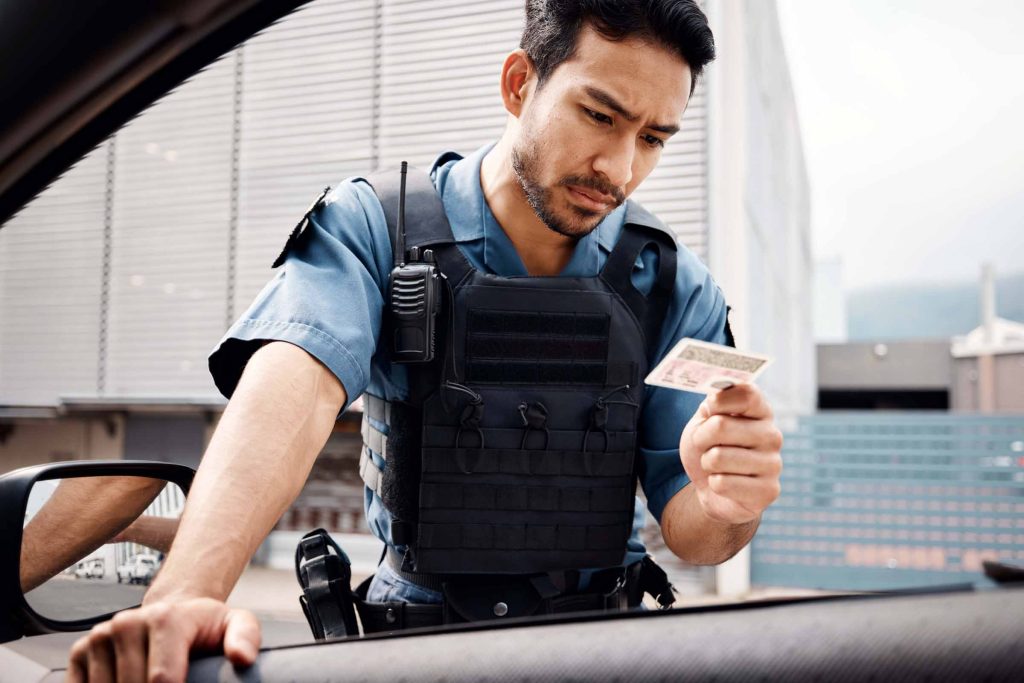
South Africa has strict traffic rules and regulations. Failure to follow them can result in fines and penalties, so it’s best to obey them. Stick to speed limits, obey road signs, and always wear your seatbelt.
Stick to the left side of the road unless passing, and always signal your intention when turning or switching lanes. Maintain a generous following distance to ensure safety. Note that operating a mobile device while behind the wheel is strictly against the law unless you utilise a hands-free setup.
Intersections often present the most significant adjustment for travellers from the US or Europe. At a four-way stop, right-of-way follows a first-come, first-served principle. Should two cars pull up simultaneously, the driver to the right typically moves first. In these situations, clear indicators and a patient approach are your best tools.
Traffic circles, or roundabouts, follow a specific etiquette as well. The standard protocol requires yielding to any vehicles approaching from your right before merging when a gap appears. Remember to signal as you prepare to take your exit.
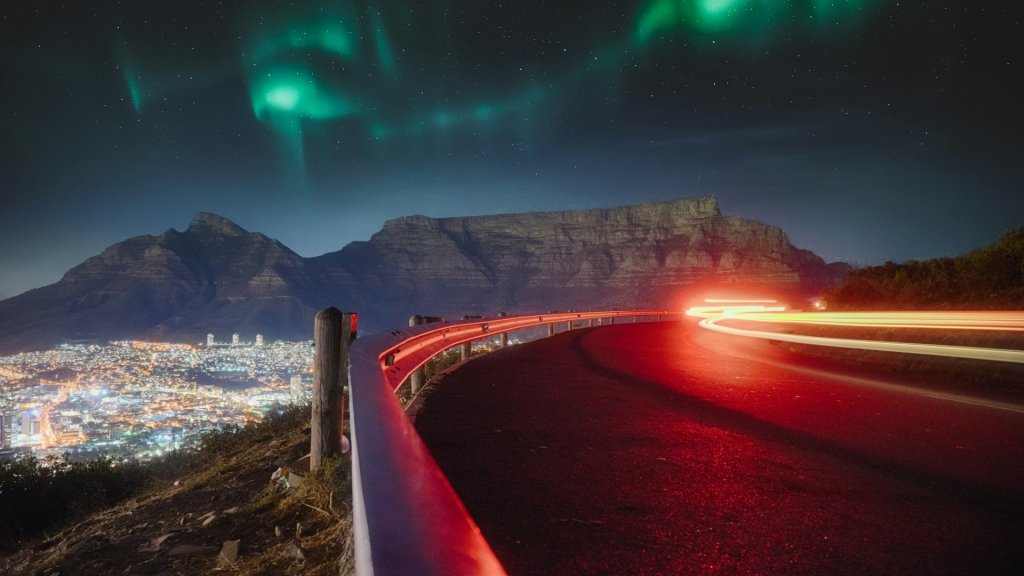
There’s not always street lighting outside major cities in South Africa. In addition, the roads can be dangerous at night because of pedestrians walking on the shoulder or wildlife crossing the road.
Try to limit your driving to daylight hours to ensure your safety.
Exercising common sense ensures a smooth journey. To maintain a high standard of driving safety in South Africa, it’s vital to limit travel after dark, remain vigilant within congested city centres, ensure personal belongings aren’t visible, and strictly adhere to the rules of the road.
Follow the advice of traffic reports broadcast on most radio stations. Also check with your accommodation about the conditions of roads in the area, especially if it’s raining. Be aware that travelling on remote roads can get tricky, depending on the weather.
Potholes are another consideration, particularly on some rural and secondary roads. Don’t swerve suddenly to avoid a pothole if it would put you into oncoming traffic. Instead, slow down, increase your following distance and scan the road ahead. If you’re driving on gravel, reduce your speed, avoid harsh braking or steering, and leave extra space between vehicles to reduce the risk of skidding and windscreen damage.
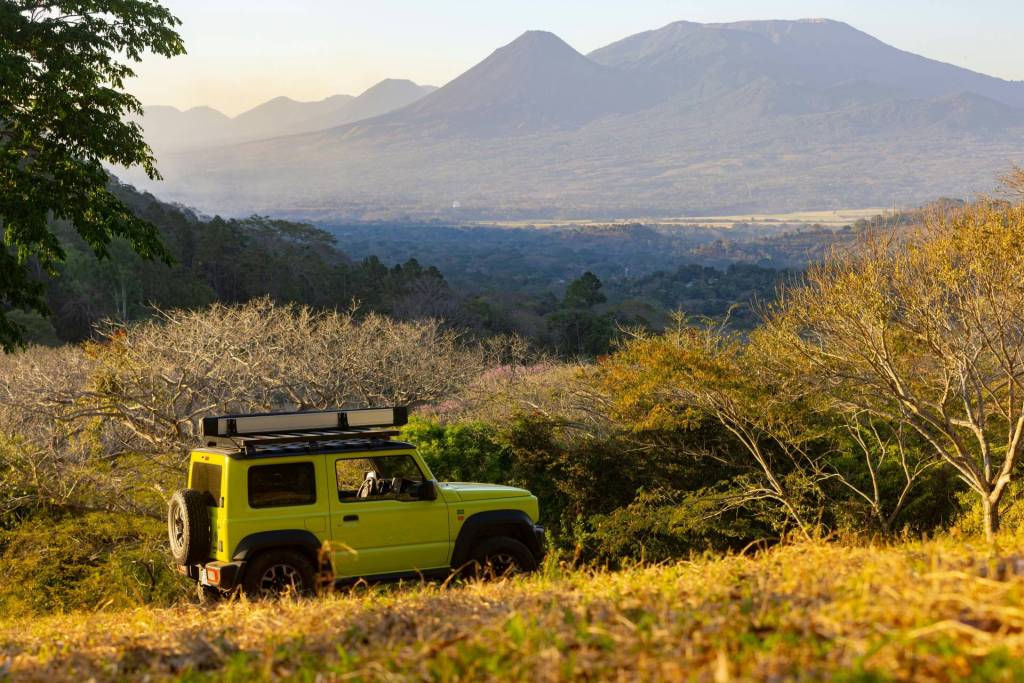
Think about your route before choosing your vehicle. A compact car is usually suitable for city breaks, major highways, and well-maintained paved roads. For long gravel sections, remote destinations, or routes where additional ground clearance is useful, consider an SUV or 4×4.
For a self-drive safari, a vehicle with good ground clearance can make gravel roads more comfortable, although you don’t necessarily need a 4×4 for every national park.
Also check your rental agreement before heading onto gravel or rough roads, and make sure your insurance and waiver cover the routes you intend to drive.
Vehicle crime and petty theft can be a challenge in cities and urban areas. Be sure to keep valuables like cameras and bags out of sight, exercise caution at traffic lights, and park in well-lit areas, preferably patrolled by a parking attendant.
Keep doors locked when driving through busy urban areas, avoid stopping in isolated places, and don’t leave luggage visible inside a parked vehicle.
Be sure to have a working phone with a local SIM card. If you’re travelling in more remote areas, it’s a good idea to have a GPS, satellite phone, and map, as not all roads are well signposted and some areas don’t have mobile reception. In case of emergencies, call 10111 or 112.
Before collecting your rental car, make sure you have the correct driving licence. International visitors should carry a full, valid licence, and an International Driving Permit (IDP) is advisable, particularly where the licence is not in English. Check your rental company’s requirements before travelling, as you may need to present both your licence and IDP.
It’s also worth downloading your maps for offline use before leaving major towns and sharing your planned route with someone you trust, particularly when travelling into remote areas. South Africa is a large country, so don’t underestimate driving distances or fatigue – build regular rest stops into your itinerary.
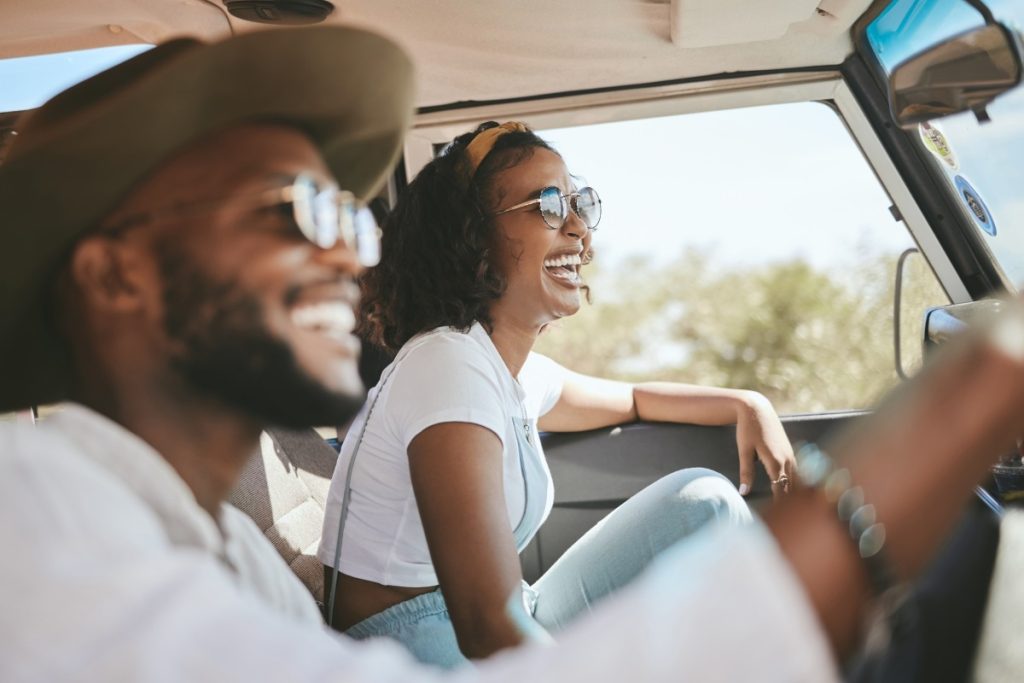
With a bit of planning, some common sense, and a healthy respect for traffic rules and regulations, you’ll be able to enjoy an epic self-drive adventure in South Africa. Whether you’re exploring the Garden Route, heading into the mountains, or setting off on safari, driving gives you the freedom to experience the country on your terms.
Explore vehicle options with Drive South Africa and choose a rental that matches your route, from compact cars for city adventures to SUVs and 4x4s for more adventurous journeys. Start planning your South African road trip today.
Long before sunrise, a deep, resonant rumble drifts through the darkness. It’s the rainy season,...
4 September 2026

A Botswana green season safari offers one of Southern Africa’s most sensational wilderness transformations. Between...
1 September 2026
South Africa in August is a country of scenic contrasts. In the north, dry landscapes...
21 August 2026



Typically responds in under 15 minutes