
Routes and Tips for a Solo Female Road Trip in South Africa
There comes a point where you’re tired of waiting for someone else’s calendar, budget, or...
 7 August 2026




Searching...
Travelling by road through Africa is possibly the most incredible adventure you can experience. In fact, it’s an awakening to the wildness, warmth, and diversity of our remarkable continent. There’s a unique magic in the red dust of the Kalahari and the soaked swamps of the Okavango Delta that stays with you forever.
Crucially, understanding the visa requirements for African countries is the first step in ensuring your journey is defined by sunsets and wildlife sightings rather than border-post headaches.
Whether you’re planning a self-drive safari or a long-term remote work expedition, being prepared is essential. In this travel visa guide for Africa, we break down the latest entry rules, fees, and digital nomad trends, with a specific focus on Southern Africa. This comprehensive travel visa guide for Africa will help you better understand the visa requirements for African countries before you hop on your flight.
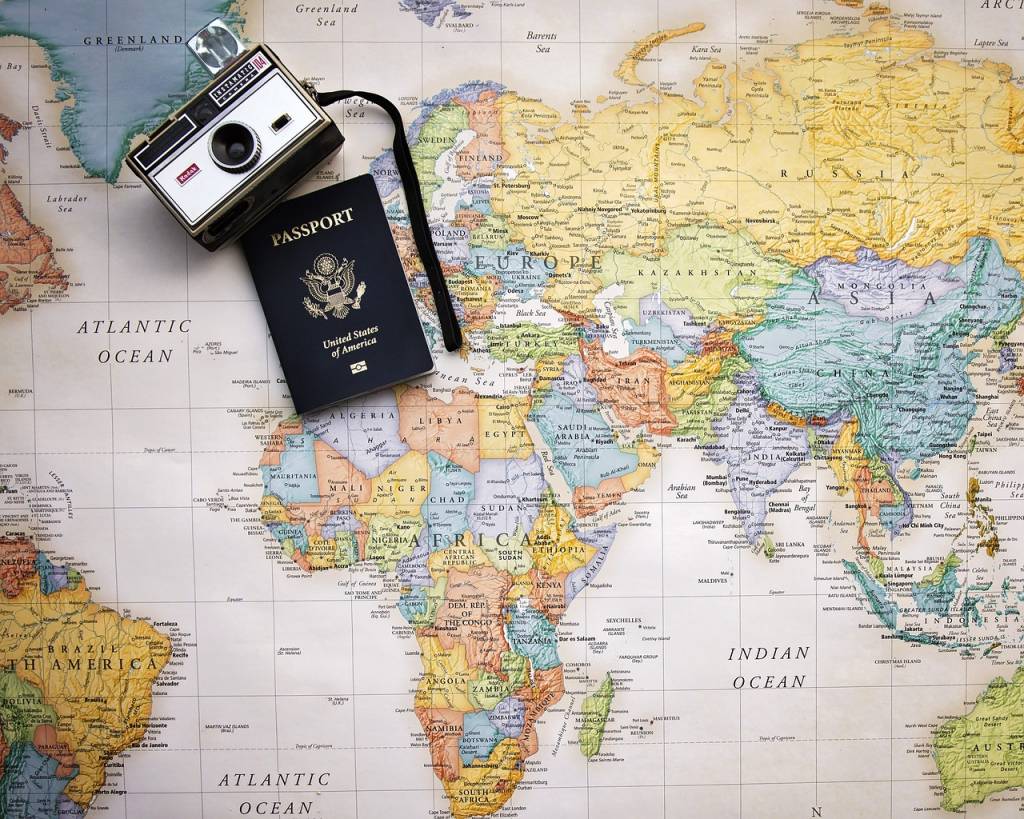
This is one of the most common questions we hear. The answer depends entirely on your nationality and which borders you plan to cross. Africa is a continent of 54 diverse nations, each with its own sovereignty. While some regions are moving toward open borders, most international travellers will still need to navigate various types of visa categories, from standard tourist permits to the newer e-visas.
So, is a visa needed for Africa? In most cases, yes. Understanding the visa requirements for African countries is an essential step in preparing for travel.
The process has become much easier in recent years. Many countries have swapped traditional embassy visits for digital portals. Before you set off, it’s vital to check the specific requirements for your passport to avoid being turned away at the airport or border gate. If you’re wondering how to get a visa for Africa, the process usually involves applying online for a travel visa, but in some countries, a travel visa can be obtained on arrival.

The biggest shift in African travel over the last two years is the rise of the remote worker. Countries across the continent have realised that modern travellers don’t just want to visit for a week; they want to live and work with a view of the savannah.
South Africa, Namibia, and Mauritius have all formalised digital nomad visas or remote work permits. These allow location-independent professionals to stay for six months to a year, provided they meet a minimum income threshold (for South Africa, this is currently R650,976 per annum gross income). This new term vector in African travel means you can now legally trade your office cubicle for a 4×4 rental and a mobile Wi-Fi router.
These new options also expand the types of visas available across the continent, making long-term travel visa planning more flexible than ever.
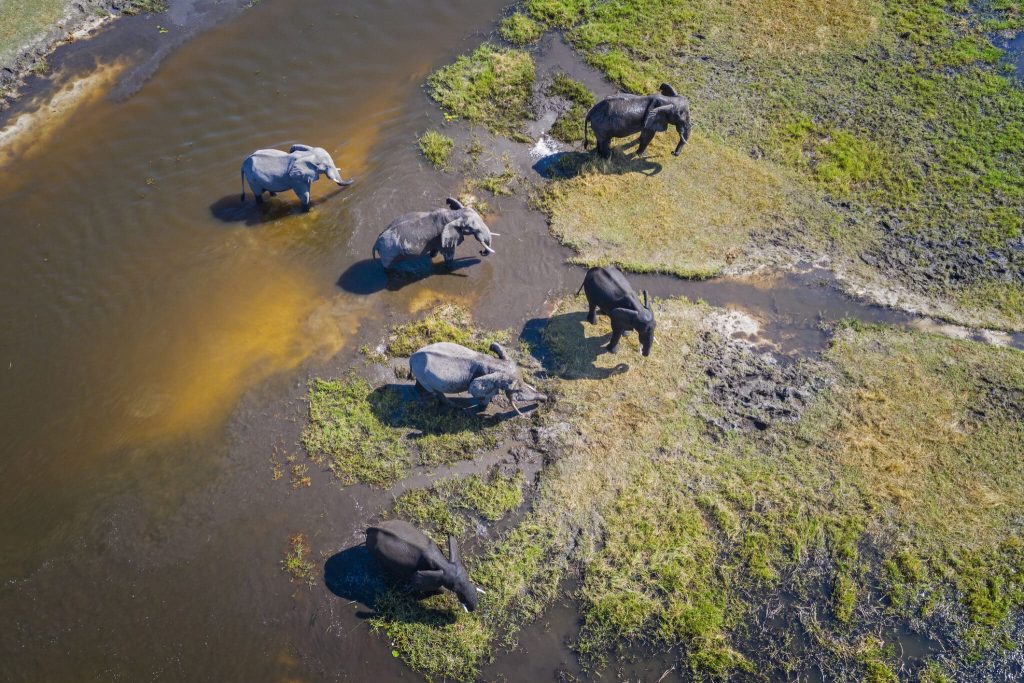
Botswana remains one of the most accessible destinations for a travel visa. Most nationalities, including citizens from the UK, USA, Canada, Australia, New Zealand, and South Africa, do not require a visa for stays of up to 90 days. Because of this, Botswana is often listed among the top visa-free countries in Africa for travellers around the globe.
If you do require one, Botswana has introduced an efficient e-visa system. It’s important to remember that even if you are visa-exempt, you must have at least six months of validity left on your passport. Knowing these rules is mandatory, as visa requirements for African countries can vary significantly.
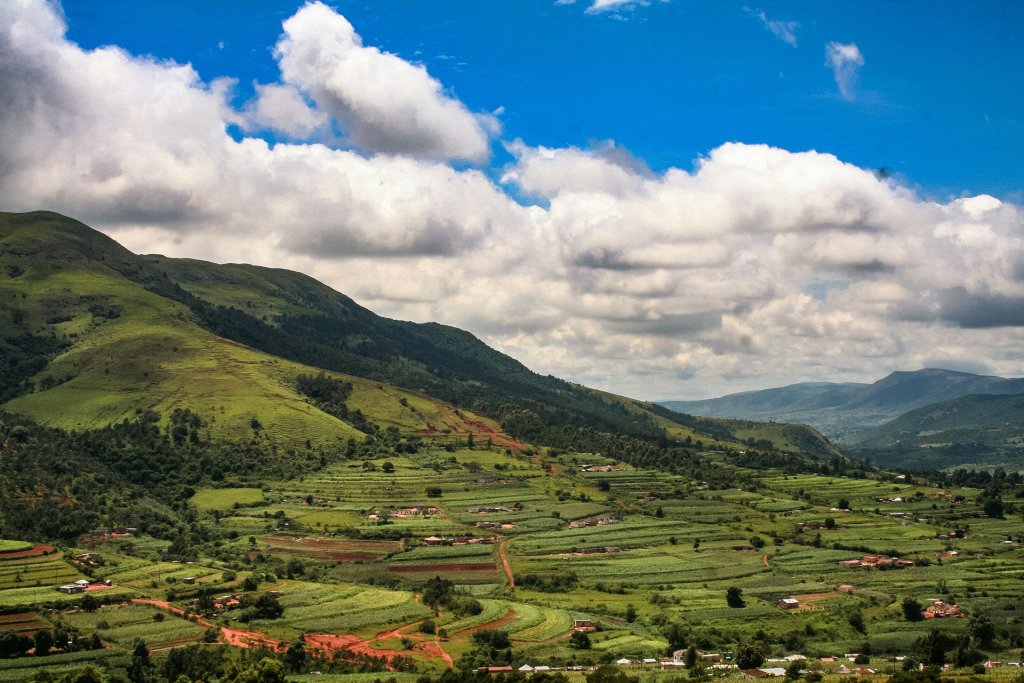
This small but vibrant kingdom is a favourite for road trippers. For tourist visits of 30 days or less, visas are not required for citizens of the UK, USA, Canada, Australia, and most Commonwealth nations. If you wish to stay longer, you can apply for an extension at the Ministry of Home Affairs in Mbabane.
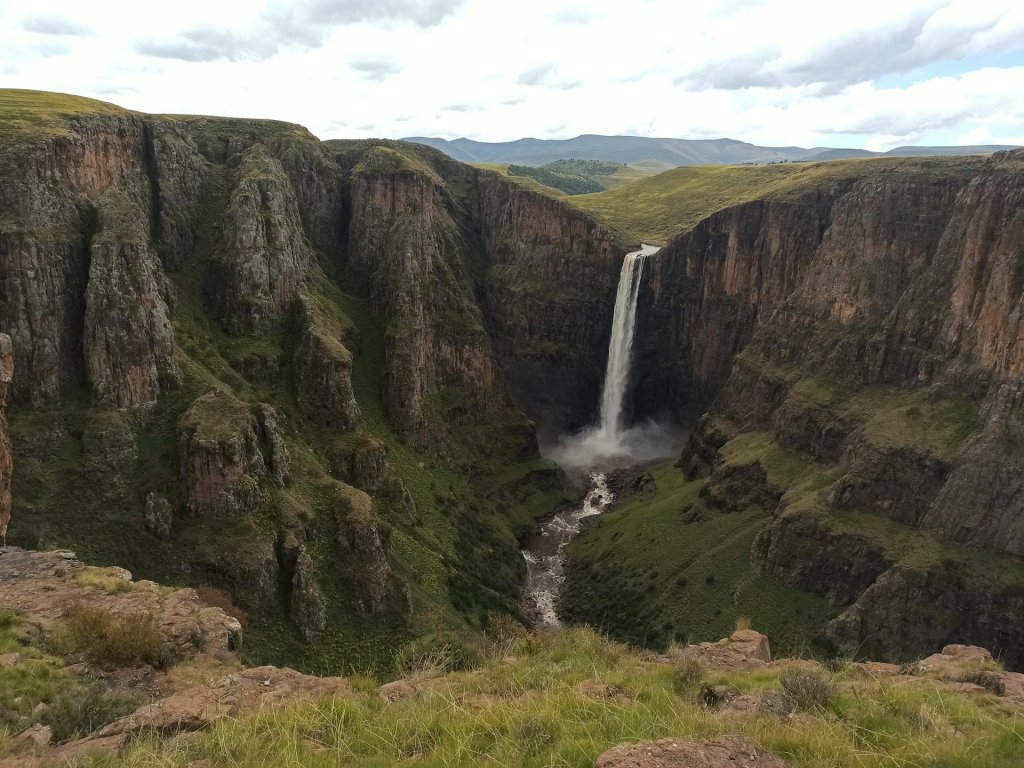
Often called the Kingdom in the Sky, Lesotho is entirely surrounded by South Africa, making it a sovereign enclave. Lesotho is another example of how visa-free countries in Africa can make regional travel so much simpler. Most Western travellers and Commonwealth citizens enjoy visa-free entry for up to 30 days (and sometimes up to 90 or 180 days depending on the specific bilateral agreement). However, if you’re not from a visa-exempt country, you must get a visa before arrival.
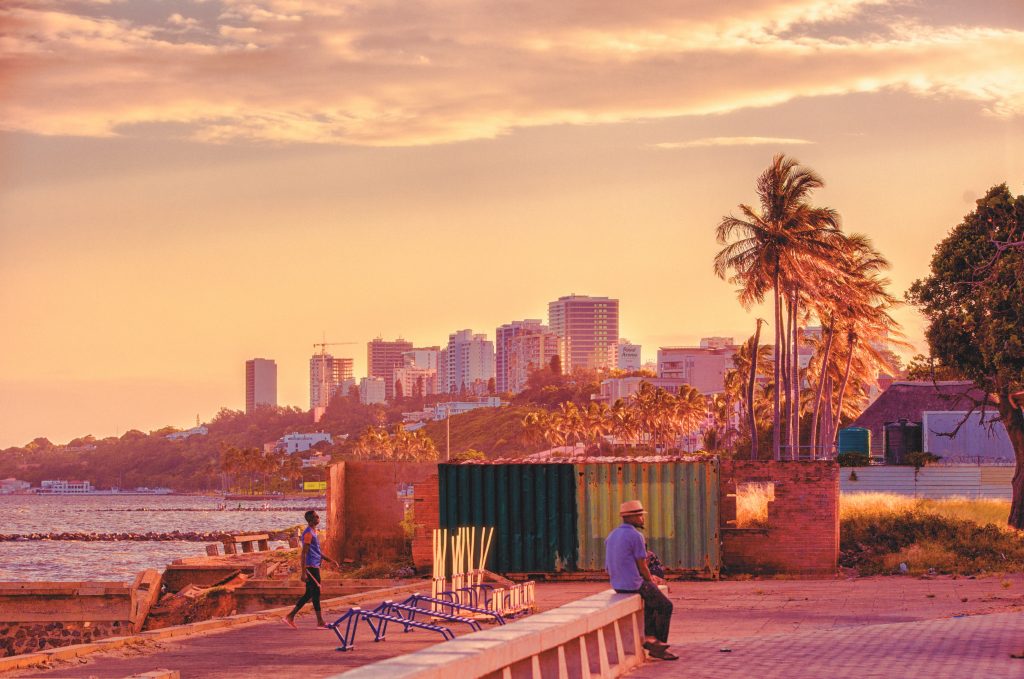
Mozambique has significantly modernised its entry process. There’s now a visa exemption programme for many nationalities, including the UK, USA, and Canada, for stays of up to 30 days. However, this isn’t a “just show up” system. You must register for an Electronic Travel Authorisation (ETA) at least 48 hours before you arrive and pay a processing fee of $48.
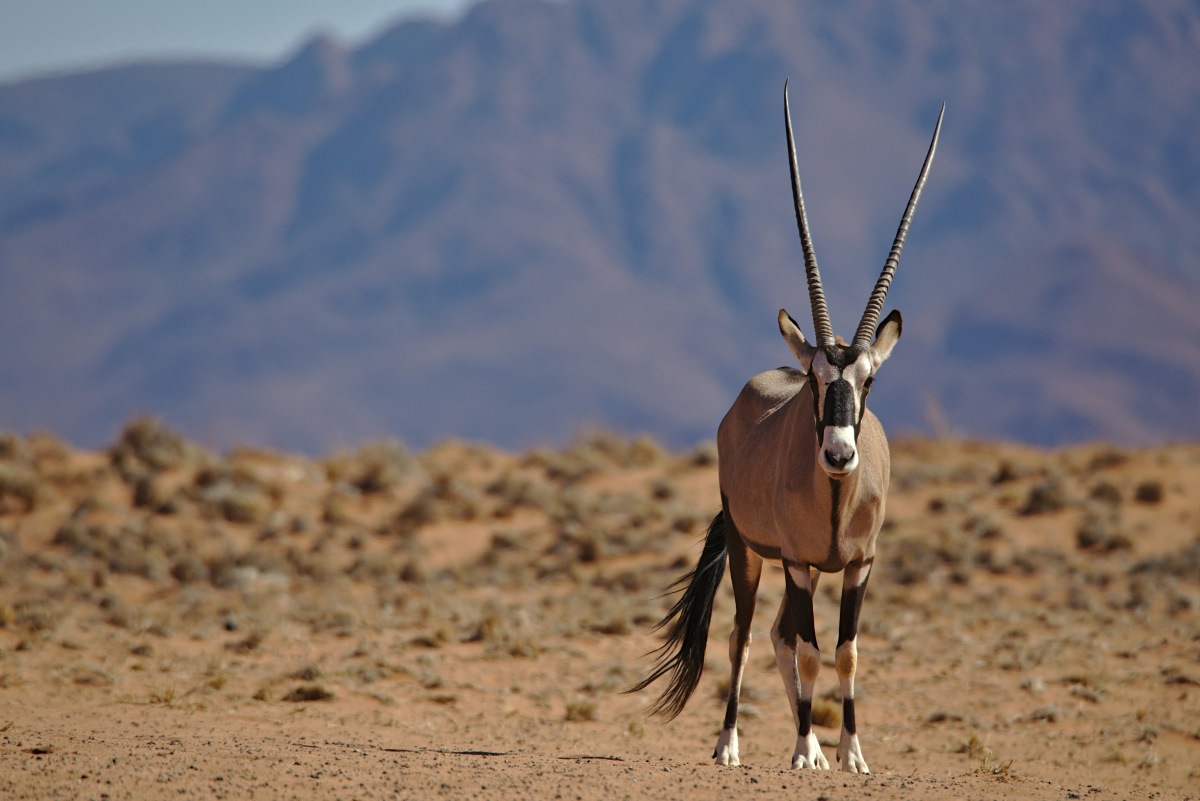
Many travellers who were previously visa-exempt – including those from the UK, the USA, Canada, Australia, and New Zealand – now require a visa to enter, which costs NAD 1,600 (around USD $90) per person. Fortunately, you can obtain a Visa on Arrival (VOA) at major border posts like Ariamsvlei and Windhoek’s Hosea Kutako International Airport. To save time, it’s highly recommended to use the online application system.
Important: Visa on Arrival (VOA) is only available at specific ports. If you’re entering via smaller land borders, you need to have your e-visa printed in advance.
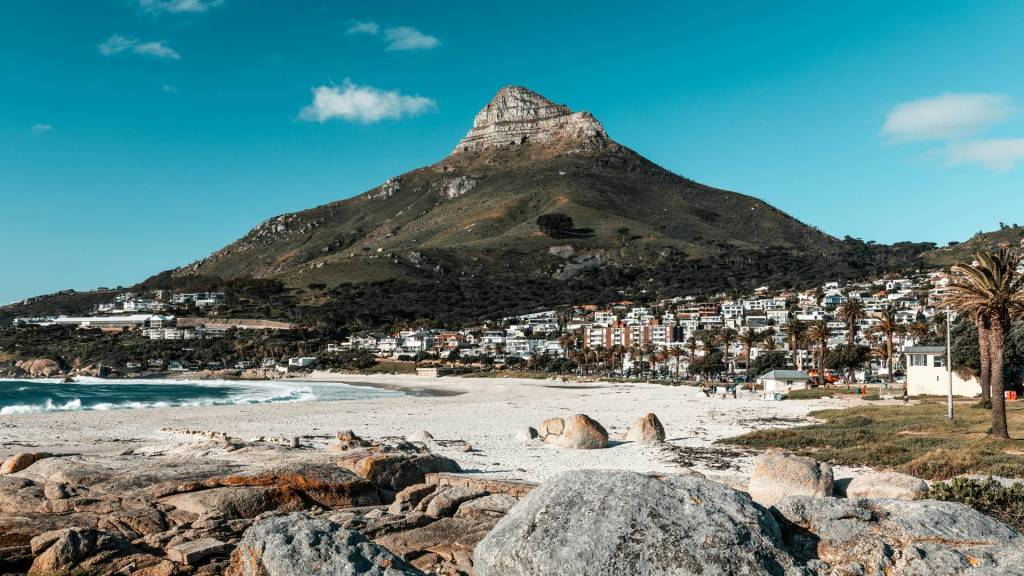
South Africa is a major hub and often the starting point for those looking at how to get a visa for Africa. For many, it’s among the top visa-free countries in Africa. Citizens from the UK, the USA, Canada, Australia, and New Zealand are generally granted 90 days on arrival without a prior application.
However, be warned: South Africa has very strict laws regarding travelling with children. You must carry unabridged birth certificates and, in some cases, parental consent affidavits.
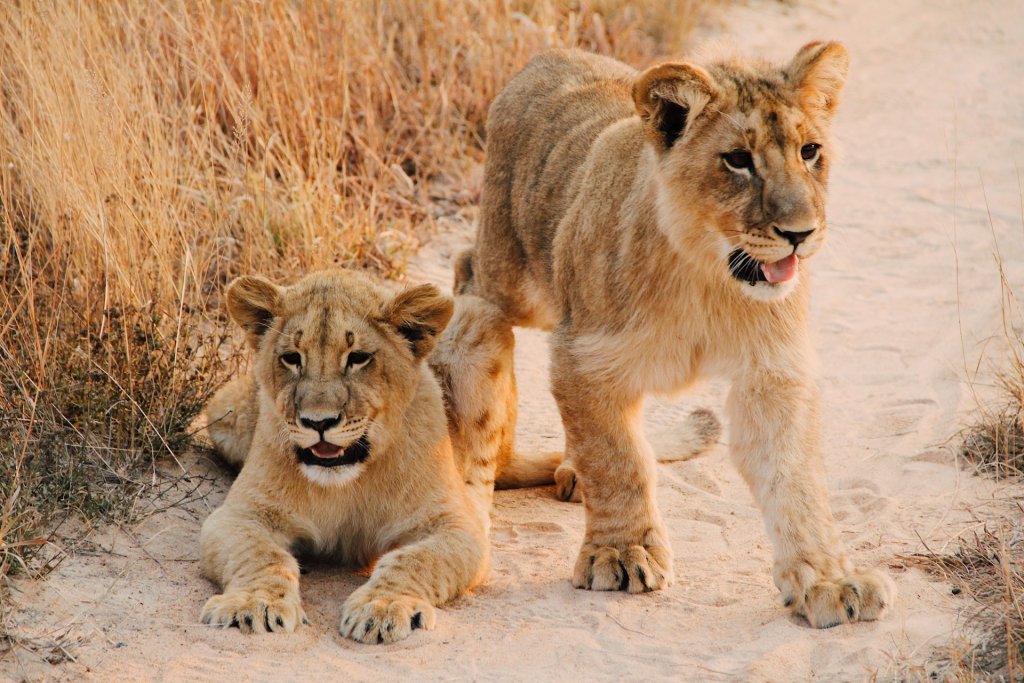
Zimbabwe is a bucket-list destination, but you need to budget for entry. So, how much is a visa for Zimbabwe? A standard single-entry tourist visa for most Category B nationalities (like the USA and Canada) is USD $30. While UK citizens are in Category B, a single-entry visa for a UK passport holder is USD $55.
You can obtain this at the border or via Zimbabwe’s e-visa site. South African passport holders are currently visa-exempt. If you plan on hopping between Zimbabwe and Zambia, look into the KAZA UNIVISA, which covers both countries for $50.
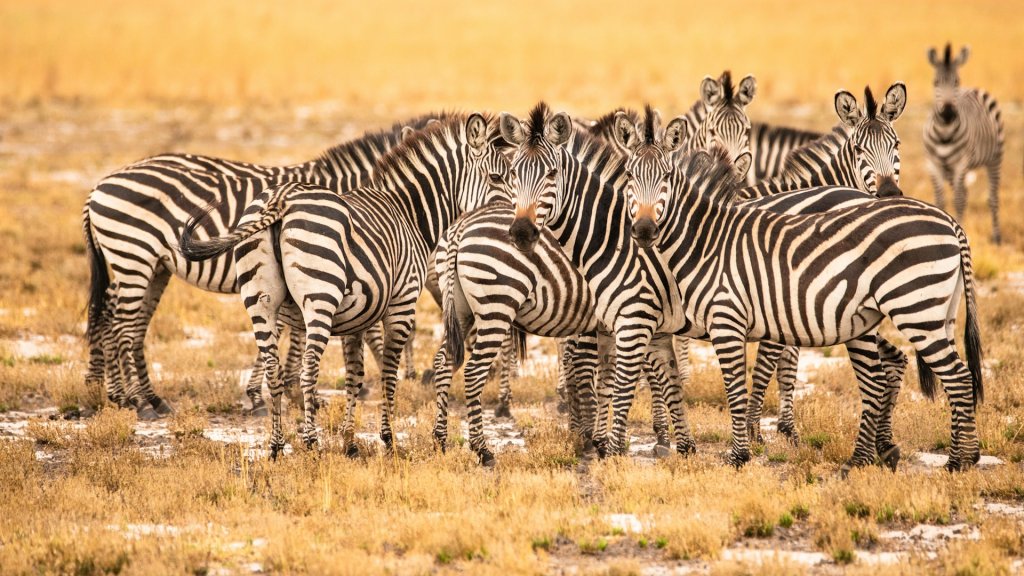
In a fantastic move for tourism, Zambia waived visa requirements for many nationalities. Citizens of the UK, USA, Canada, Australia, and New Zealand can now enter Zambia visa-free for tourism. This update has increased Zambia’s popularity as one of the visa-free countries in Africa for international tourists. Now, the Victoria Falls region has become incredibly easy to navigate, especially with the KAZA UNIVISA. Always double-check the latest status, as these exempt lists can be updated at short notice.
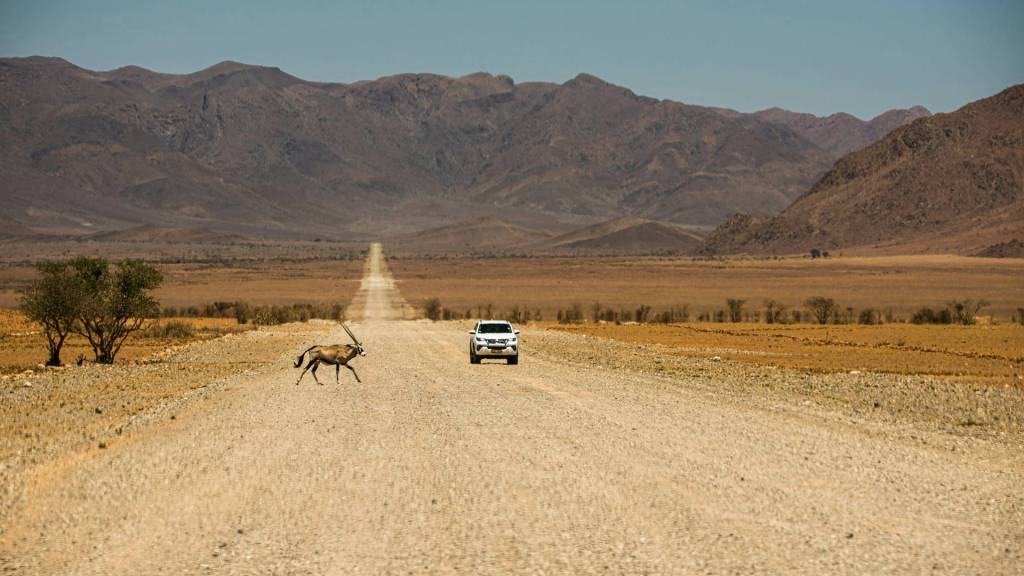
Navigating the visa requirements for African countries may seem daunting at first, but the rewards are worth every form you fill out. From the silence of the Namib desert to the thundering smoke of the Zambezi, Africa is waiting, and all that stands in your way is a little bit of red tape. By understanding the visa requirements for African countries and obtaining your travel visa in advance, you ensure a smoother journey.
If you’re ready to start your journey, browse our range of 4×4 rentals and let us help you get on the road. The continent is more accessible than ever – all you need is a valid passport, a sense of adventure, and the right paperwork.
There comes a point where you’re tired of waiting for someone else’s calendar, budget, or...
7 August 2026
Namibia is one of those countries that defy description; it’s a wide-open, big-sky place begging...
31 July 2026

The lure of the open road draws thousands of adventurers to Southern Africa every year....
3 July 2026



Typically responds in under 15 minutes