
What It’s Like to Camp in a 4x4 Across Botswana’s Wilderness
Long before sunrise, a deep, resonant rumble drifts through the darkness. It’s the rainy season,...
 4 September 2026




Searching...
Planning a winter adventure through Southern Africa is an experience like no other. While the northern hemisphere hides away in the cold, the landscapes of South Africa, Botswana, and Namibia transform into a playground for overlanders.
The air is crisp, the wildlife is easier to spot around thinning waterholes, and the mosquitoes are practically non-existent. However, to make the most of this season, you need the right gear. Our winter 4×4 packing list is designed to ensure you stay warm, safe, and ready for the unique challenges of a southern winter.
At Drive South Africa, we act as your primary partner and point of contact for every kilometre of your journey. We help you secure a mobile home built to withstand the elements. So, when you book a fully equipped winter off-road hire through us, you’re getting a vehicle that has been vetted for the tough conditions of the subcontinent.
We understand that a winter trip to the Kgalagadi is very different from a summer trip to the Kruger, and the vehicles we recommend reflect that expertise.
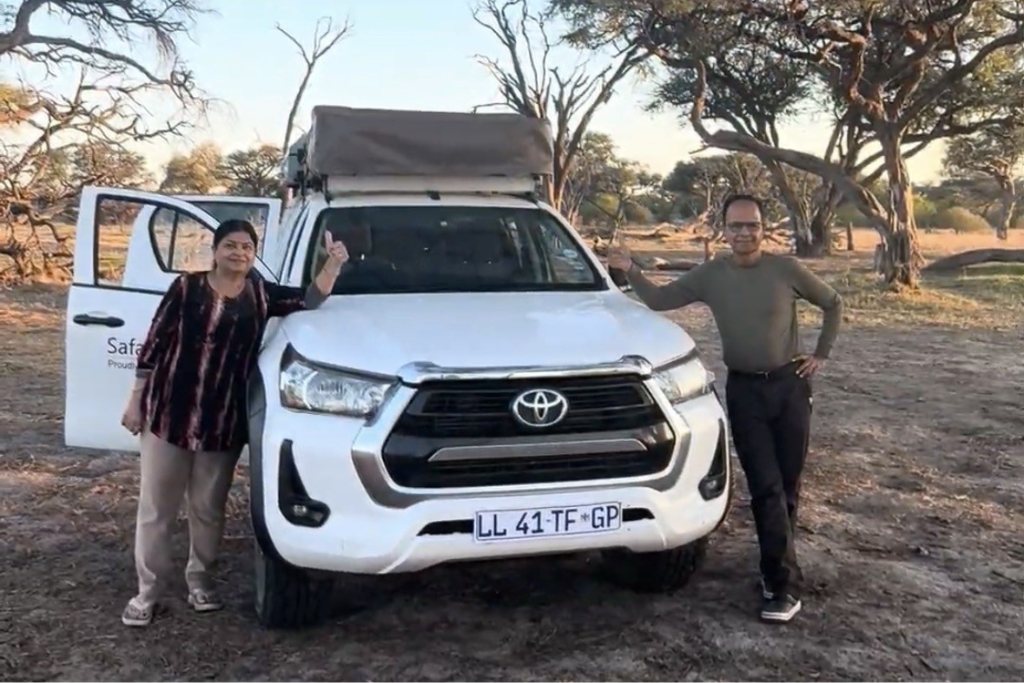
When you speak with one of our consultants, you will notice we focus on specific models like the Toyota Hilux and the Ford Ranger. There is a specific logic behind this choice for winter travel. In the sub-zero mornings of the Kalahari or the Lesotho highlands, you need a diesel engine with reliable glow plugs that starts without a fuss.
We also prioritise vehicles with high-performance heating systems – there is nothing worse than waiting half an hour for the cabin to warm up while you are trying to reach a game hide by sunrise.
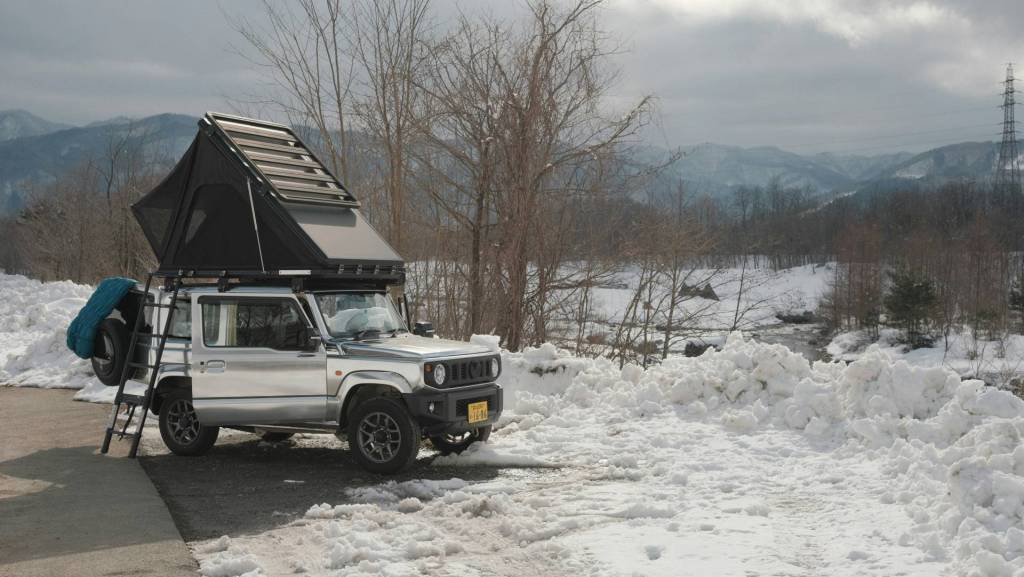
Furthermore, the canopy setups on our specialised 4x4s are designed with superior seals. Winter in the interior of Southern Africa is incredibly dry. Without a high-quality seal, your clothes, bedding, and food would be covered in a fine layer of red “bull dust” within the first hour of off-roading. We ensure our storage solutions keep the grit out so your gear stays clean and dry.
It’s important to remember that not all hires are identical. While we specialise in 4×4 rental with winter gear, the specific inventory can vary based on the vehicle category you choose. When you receive your quote, our consultants will provide a detailed breakdown of the equipment included.
Typically, a fully equipped vehicle will include these essentials:
Pro Tip: Always double-check your specific canopy inventory. While some specialised 4×4 rentals come with sleeping bags and pillows, others may require you to bring your own or add them as an optional extra. Knowing exactly what’s on your list is the first step in how to prepare a 4×4 for winter camping.
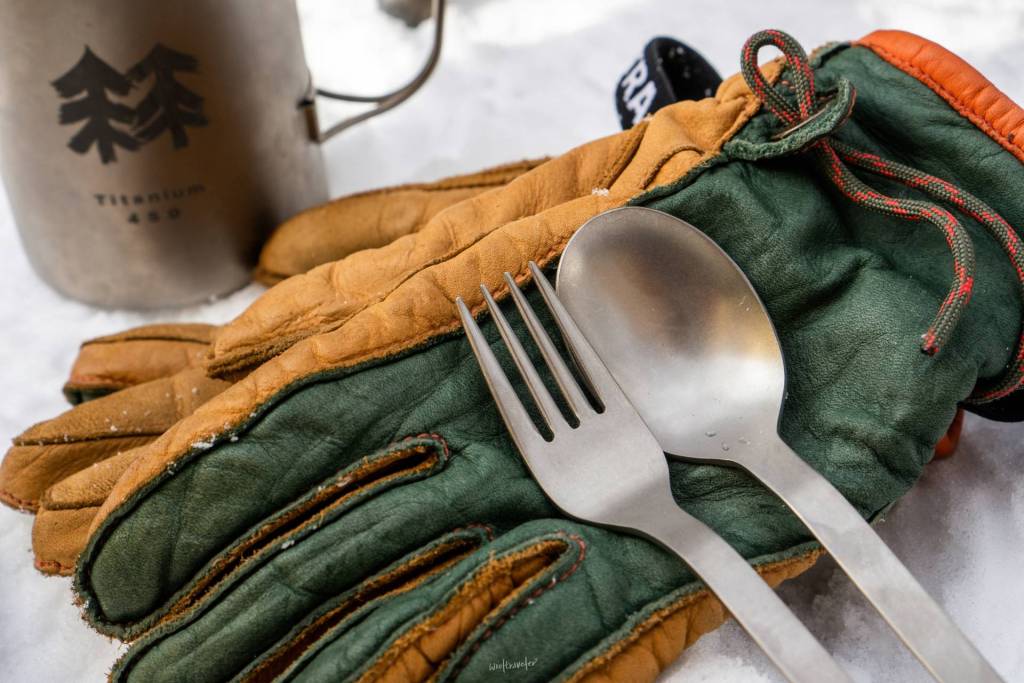
While the vehicle is your fortress, your personal gear is what makes the experience comfortable. Here’s what you should pack to supplement the vehicle’s equipment.
Southern African winters are famous for having four seasons in one day. You might wake up to frost at -4 °C, but by 2:00 PM, the sun can push temperatures up to 26 °C.
While some rentals include heavy-duty sleeping bags, we recommend bringing a few extras if you’re a cold sleeper. A thermal sleeping bag liner can add significant warmth. Also, never underestimate the power of a simple hot water bottle. Tucking one into your rooftop tent ten minutes before you climb in makes a massive difference on a freezing Kalahari night.
In winter, the sun sets as early as 5:30 PM. You will spend a lot of time in camp after dark.
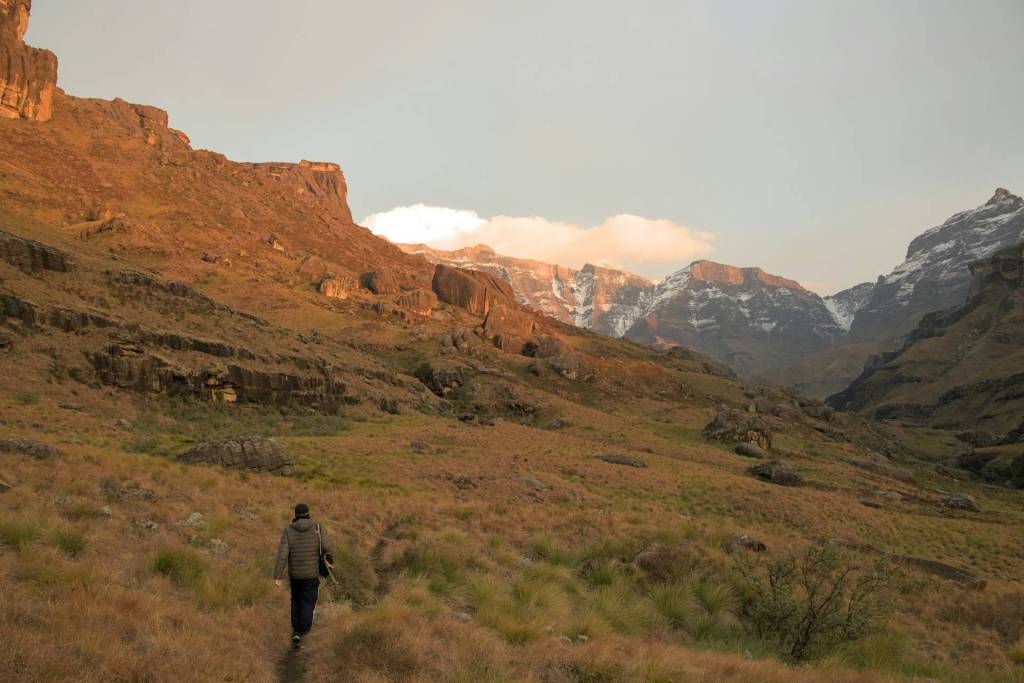
Preparing for a winter expedition is mostly about resource management. One of the biggest mistakes travellers make is not accounting for the way extreme cold affects liquids.
Water Management: In very cold areas, such as the Drakensberg or the Karoo, water pipes or external taps on the vehicle can freeze solid overnight. To avoid being stuck without a morning cuppa, fill a five-litre water bottle and keep it inside the vehicle cabin overnight. This ensures you have liquid water ready to go while you wait for the sun to melt the ice in the main tank.
Tyre Pressure and Cold Air: Cold air is denser, which can cause a slight drop in your tyre pressure. Before you set off each morning, do a quick visual check. Some of our vehicles are equipped with pressure gauges, so you can ensure you’re at the optimal level for the day’s terrain, whether it’s soft sand or rocky trails.
To truly complete the ultimate winter 4×4 packing list, consider these smaller items that seasoned overlanders never leave behind:
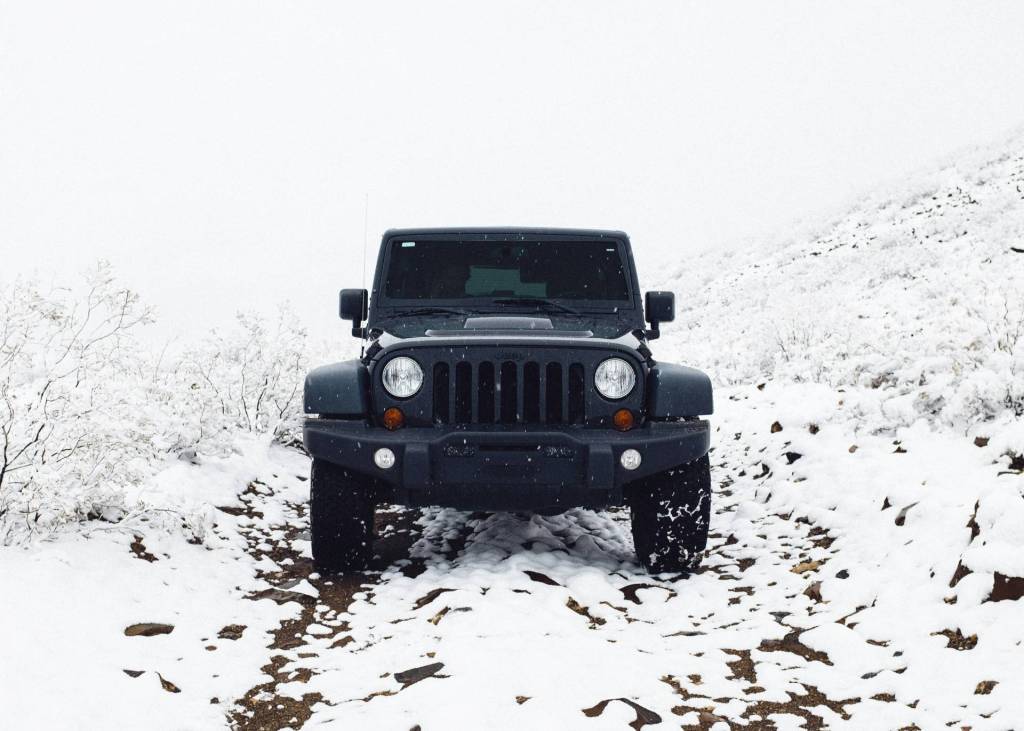
Driving in winter requires a different mindset. Depending on your route, you might face the slippery mountain passes of the Eastern Cape or the thick, sticky mud of the Western Cape‘s rainy season.
If you encounter deep mud, maintaining momentum is your best friend. Here’s what else you need to do:
In high-altitude areas, black ice is a real danger on tarmac and gravel roads – and it can be virtually invisible. Here’s how to tackle it:
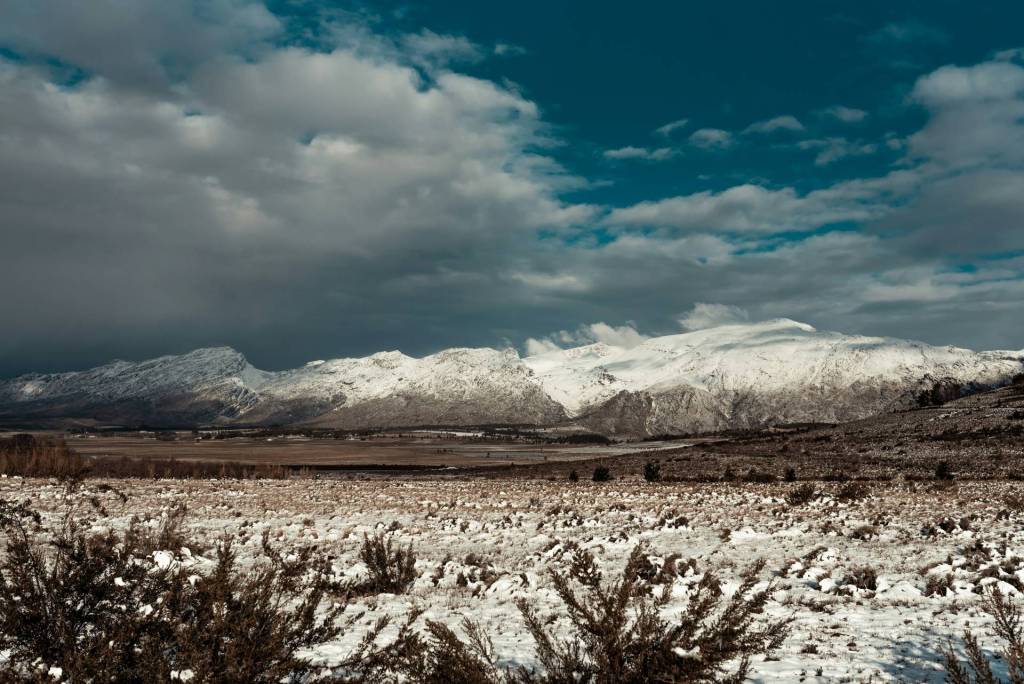
We equip our vehicles to be as safe as possible, but being prepared for an emergency is part of the off-road spirit. Your essential winter camping gear for 4×4 trips should always include a small survival kit kept inside the cabin, not buried in the back.
Your off-road winter survival kit should contain:
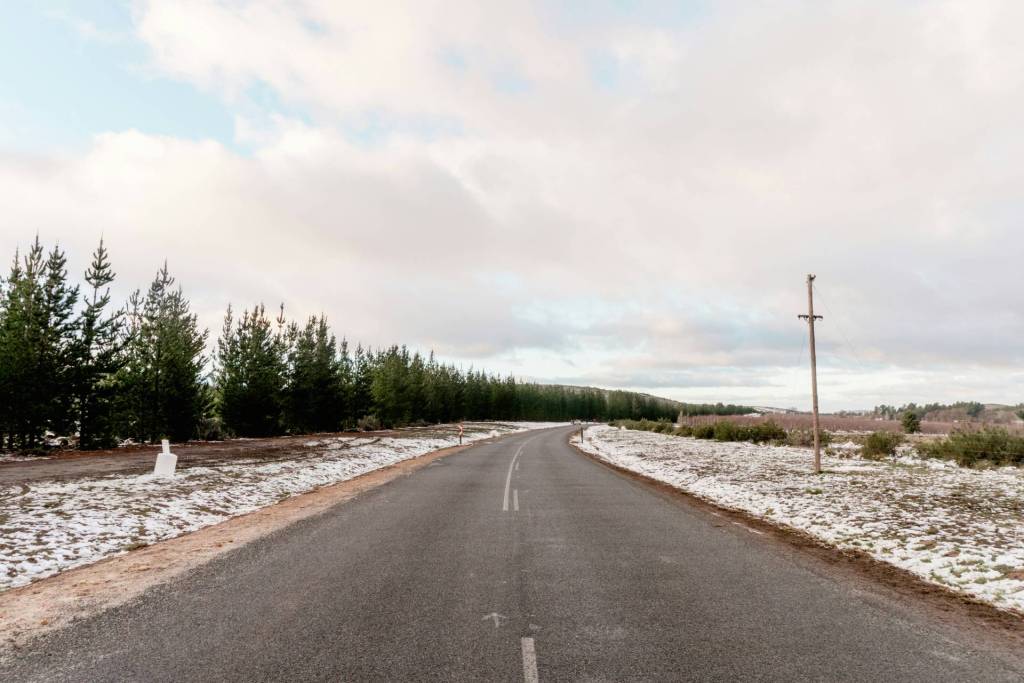
A winter 4×4 trip is perhaps the most rewarding way to see Southern Africa. The light is better for photography, the heat is manageable, and the sense of isolation in the wilderness is profound. By following this winter 4×4 packing list and relying on our expertly maintained fleet, you’re setting yourself up for the trip of a lifetime.
At Drive South Africa, we are with you every step of the way. From the moment you start planning your route until you hand back the keys, we’re your point of contact for a seamless adventure.
Long before sunrise, a deep, resonant rumble drifts through the darkness. It’s the rainy season,...
4 September 2026
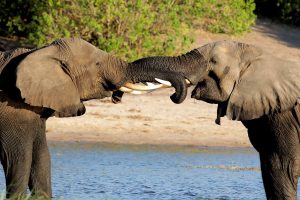
A Botswana green season safari offers one of Southern Africa’s most sensational wilderness transformations. Between...
1 September 2026
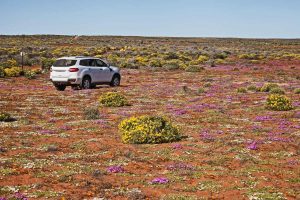
South Africa in August is a country of scenic contrasts. In the north, dry landscapes...
21 August 2026



Typically responds in under 15 minutes