
What It’s Like to Camp in a 4x4 Across Botswana’s Wilderness
Long before sunrise, a deep, resonant rumble drifts through the darkness. It’s the rainy season,...
 4 September 2026




Searching...
There is a unique kind of magic that settles over South Africa when the mercury drops and the peaks of the Drakensberg or the Koue Bokkeveld turn white. Driving on ice can seem daunting, but for the adventurous soul, a winter road trip is the ultimate way to see the country in a different light.
However, swapping sun-drenched tarmac for frozen mountain passes requires more than just a warm jacket – it requires specialised skill. Driving on ice can be an exhilarating experience, but without the right preparation, that winter wonderland can quickly become a slippery challenge.
Whether you’re navigating a legendary mountain pass or heading to a frost-covered reserve, mastering safe winter driving techniques for ice is the key to coming home with great memories rather than a dented bumper.
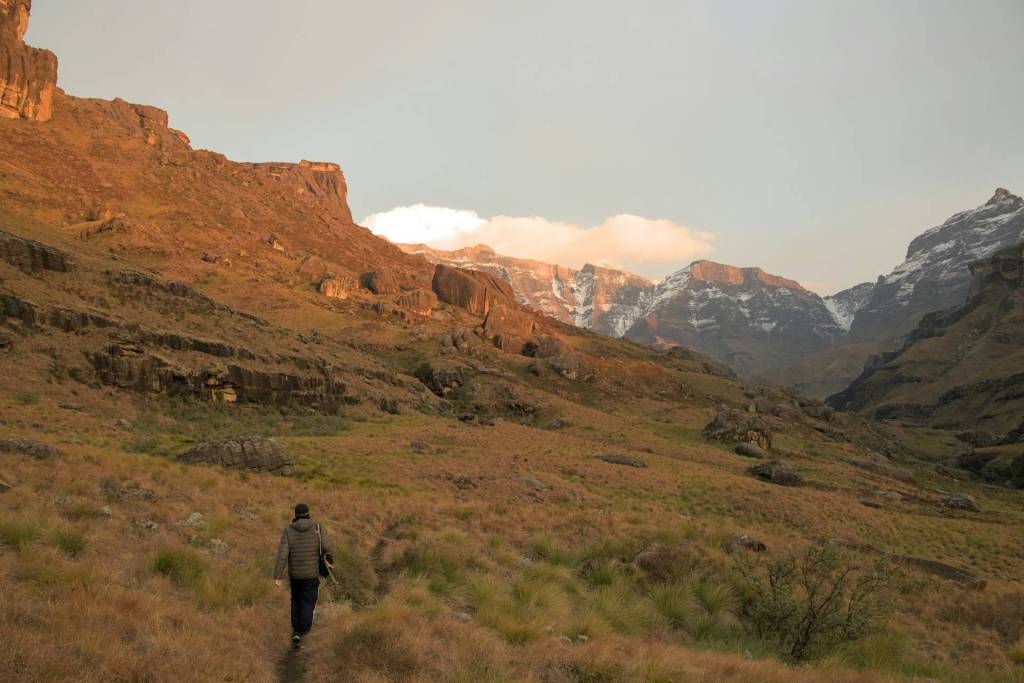
South Africa might be famous for its sunshine, but our high-altitude routes offer genuine alpine conditions during the winter months. If you’re planning an icy expedition, two iconic locations should be at the very top of your itinerary.
As the gateway between KwaZulu-Natal and Lesotho, Sani Pass is a bucket list route for any 4×4 enthusiast. During the colder months, the switchbacks near the summit often become coated in a treacherous glaze of frozen condensation and snow melt.
The answer is yes, provided you have a high-clearance 4×4 and the patience to handle ice-slicked hairpins. Before you set off, it’s worth exploring a detailed 4×4 track guide for taking the Sani Pass from KZN to Lesotho to understand the specific gradients and turns you will face.
Remember: Even just a day trip to the highest pub in Africa requires a passport and a cross-border letter for your 4×4.
For those in the Western Cape, the Matroosberg Reserve is the premier destination for snow-seekers. However, the Matroosberg snow 4×4 trail requirements are strict for a reason.
This is technical terrain where deep snow and black ice are common features. Matroosberg is frequently cited as one of the best places to see snow in South Africa, but the climb to the summit is no place for a novice in a standard vehicle. You must ensure your 4×4 is mechanically sound and that you have the right recovery gear on board before attempting the ascent.
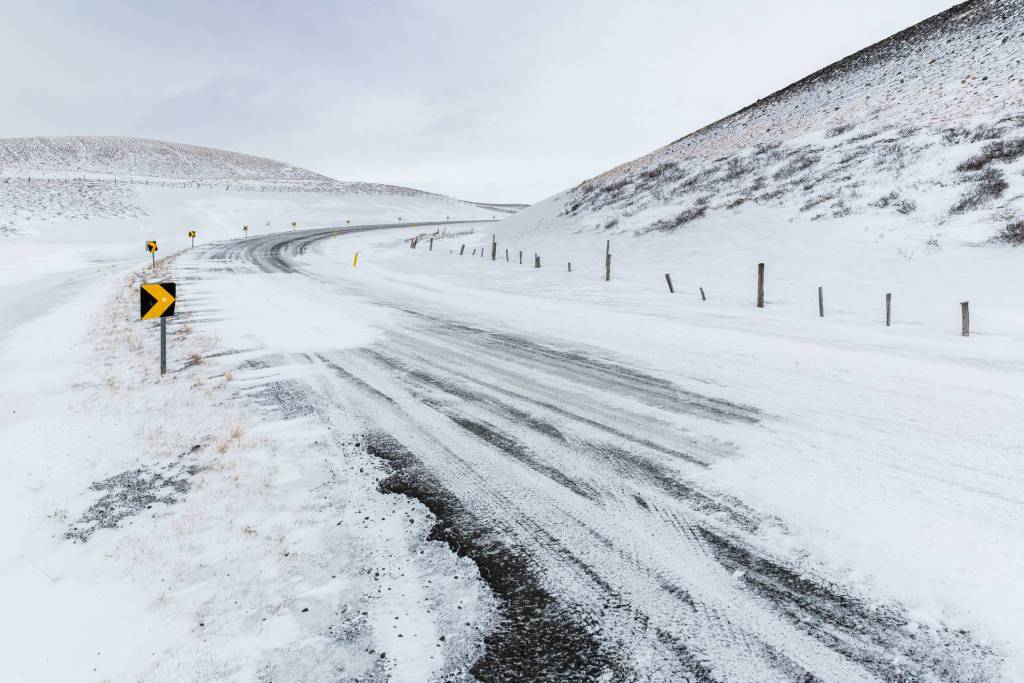
The golden rule of ice driving is that every input – steering, braking, and accelerating – must be deliberate and gentle. Sudden movements break the fragile bond between your tyres and the frozen surface, leading to a loss of control.
The short answer is absolutely. Engaging 4H (4-Wheel Drive High) provides much better traction and helps prevent individual wheels from spinning out on slick patches. However, a common mistake is believing that 4WD helps you stop faster. It doesn’t.
While 4WD helps you move, it has no impact on your braking distance on ice. For very steep or technical icy descents, such as those found on the upper reaches of Matroosberg, using 4L (low range) combined with engine braking can help maintain a slow, controlled crawl without the risk of locking your wheels with the brake pedal.
Important: Never shift from 4H to 4L while the vehicle is moving or on a slippery surface. This must be done while stationary to avoid a mechanical jolt that could initiate a slide.
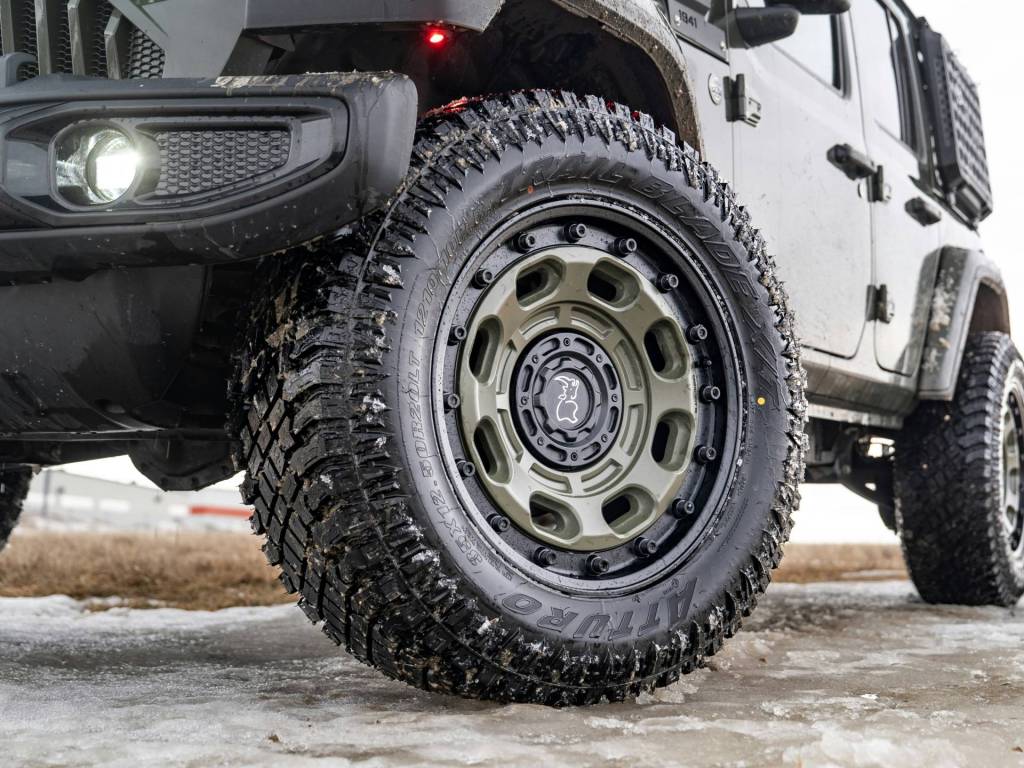
Driving a 4×4 on ice safely always begins long before you reach the snowline. At Drive South Africa, our rental options are maintained to handle rugged conditions, but you should always ensure your vehicle is carrying the necessary winter kit.
Beyond the mechanical requirements, your internal packing list is just as important for safety. In the event of a breakdown or a closed pass, having a space blanket, high-energy snacks, and a thermal flask can be life-saving. For a more comprehensive look at the equipment you might need, you should consult our ultimate winter 4×4 packing list before you head into the mountains.
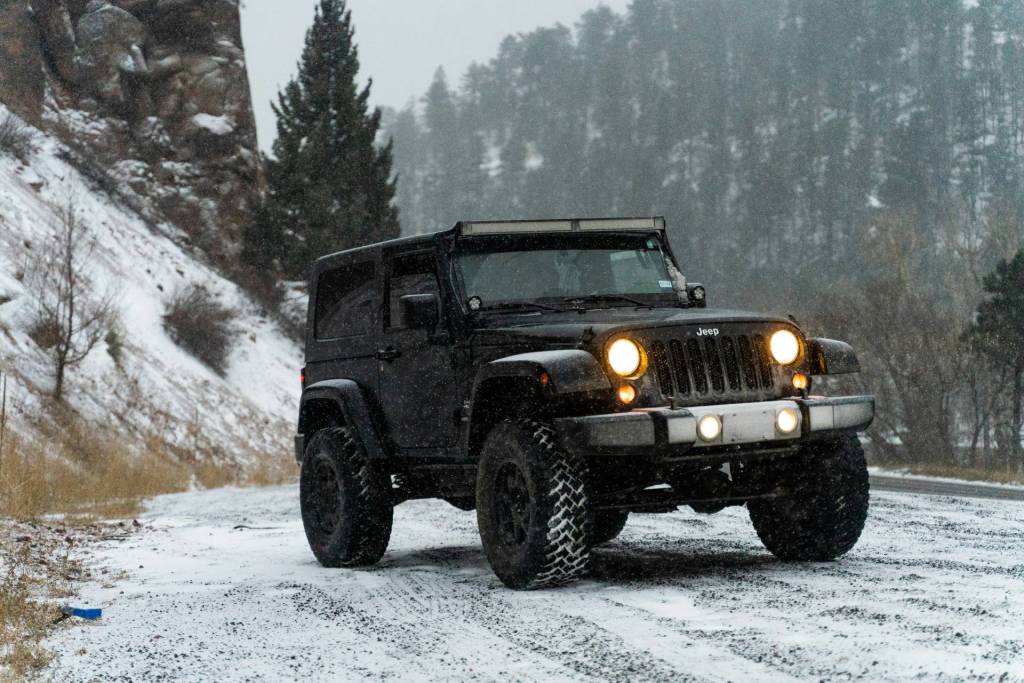
Ice is inherently unpredictable. Black ice – a transparent coating on the road – is particularly dangerous because it looks like a simple wet patch. If the steering suddenly feels light or the usual road noise disappears, you’re likely gliding on ice.
If you find yourself stuck or starting to slide, the most important thing is to avoid panic. Don’t slam on the brakes; this will lock your wheels and turn your vehicle into a multi-tonne sledge.
Instead, use your gears to slow down and look for traction targets like patches of gravel, sand, or even crunchy snow on the side of the track that can provide the grip your tyres need to regain purchase.
Driving through a frosted South African landscape is an unforgettable experience that combines technical skill with breathtaking beauty. By following these tips to drive on ice, you can ensure your trip is defined by the incredible scenery, not the stress of the surface.
Are you ready to plan your ultimate winter getaway? Enquire about our superb vehicles today and let our experts help you find the perfect 4×4 for your icy adventure.
Long before sunrise, a deep, resonant rumble drifts through the darkness. It’s the rainy season,...
4 September 2026

A Botswana green season safari offers one of Southern Africa’s most sensational wilderness transformations. Between...
1 September 2026
South Africa in August is a country of scenic contrasts. In the north, dry landscapes...
21 August 2026



Typically responds in under 15 minutes