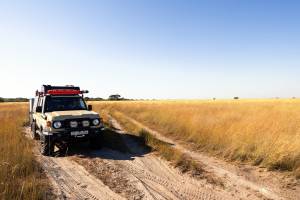
Specialist 4x4s vs Standard 4x4s: What’s the Difference?
Planning a self-drive expedition through Southern Africa is a dream for many adventurers. However, when...
 13 March 2026





Searching...
Planning a trip to Kruger National Park usually involves visions of golden savannahs and dusty waterholes. However, visiting during the “green season” – typically the rainy summer months between November and March – offers a completely different, albeit dramatic, perspective.
We recently returned from an eight-day Kruger self-drive adventure that coincided with a Level 10 weather warning. While the headlines reported a national disaster with “relief in the skies and ruin on the ground”, our experience behind the wheel proved that even a soaked Kruger is a worthy destination – provided you follow the advice of park authorities.
If you are considering car hire in Mpumalanga for your next safari, here are five reasons why the rainy season is a great time to go.
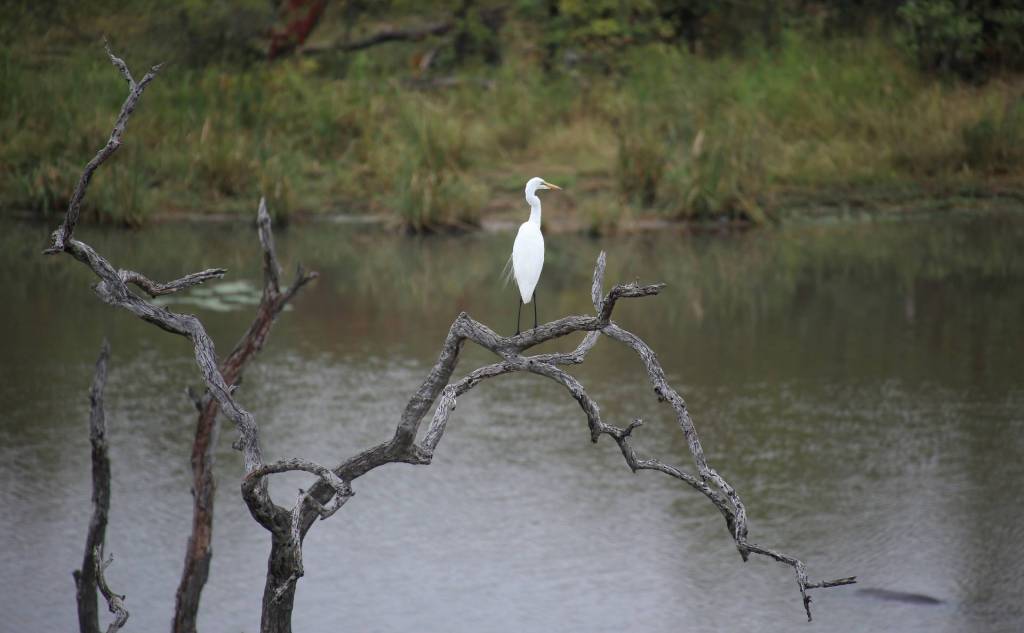
The most heartwarming perk of the rainy season is the abundance of new life. Many species time their births to coincide with the arrival of the rains and the subsequent flush of green vegetation, ensuring maximum food availability for nursing mothers.
During our Kruger self-drive, we witnessed the park’s nursery in full swing. We saw tiny hyena cubs playing outside their dens, baby elephants navigating the tall grass behind their mothers, and even a newborn impala taking its very first wobbly steps. These Kruger sightings are far more common this time of year and offer a unique glimpse into the life cycles of the African bush.
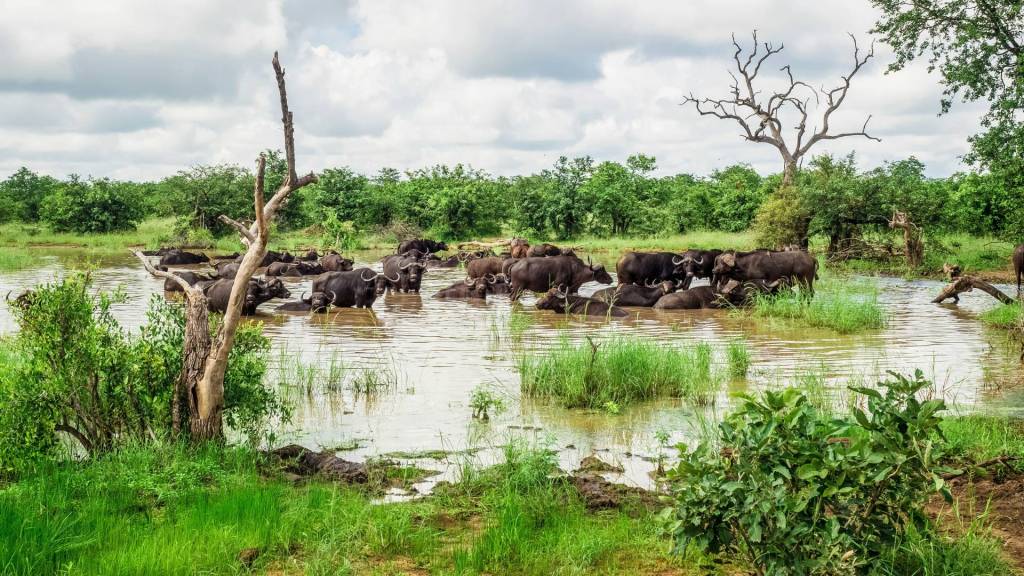
For most of the year, many of Kruger’s rivers are mere trickles or bone-dry sandbeds. After the recent heavy rains, the landscape was unrecognisable. The park was alive with the sound of rushing water, with waterfalls and cascades appearing in places they’re rarely seen.
While the floods caused significant disruption – we saw Letaba Rest Camp partially submerged and several routes between Skukuza and Lower Sabie closed – the sheer power of the flowing Sabie and Olifants rivers was a sight to behold. Seeing the park’s drainage systems at full capacity provides a profound appreciation for the ecology of the region.
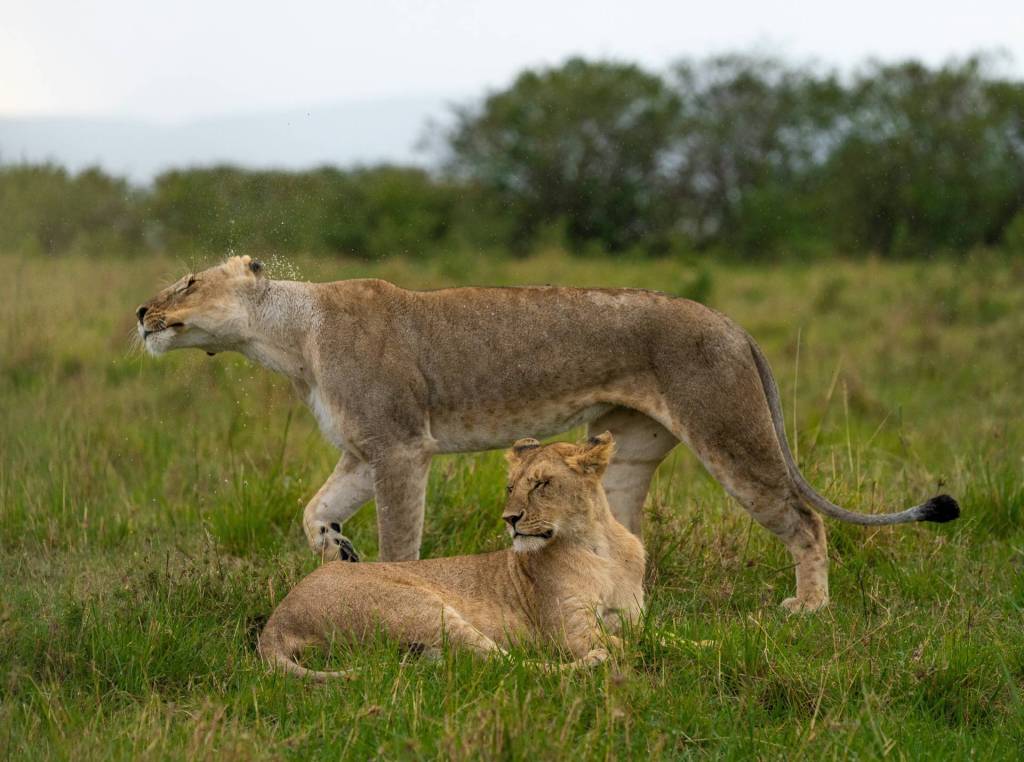
Kruger National Park weather is intense by nature. Visiting this part of South Africa in summer can be notoriously punishing, with temperatures often soaring above 40 °C. However, the rainy season brings persistent cloud cover and a “gloomy” atmosphere that is actually a blessing for self-drivers.
The cooler, overcast conditions meant we could keep our windows rolled down constantly, breathing in the scent of rain-soaked earth (petrichor) rather than relying on air conditioning. Furthermore, the lack of intense midday heat extends the “golden hours” for game viewing. Instead of animals retreating to the thickest shade at 10 am, we found predators and herbivores active much later into the day.
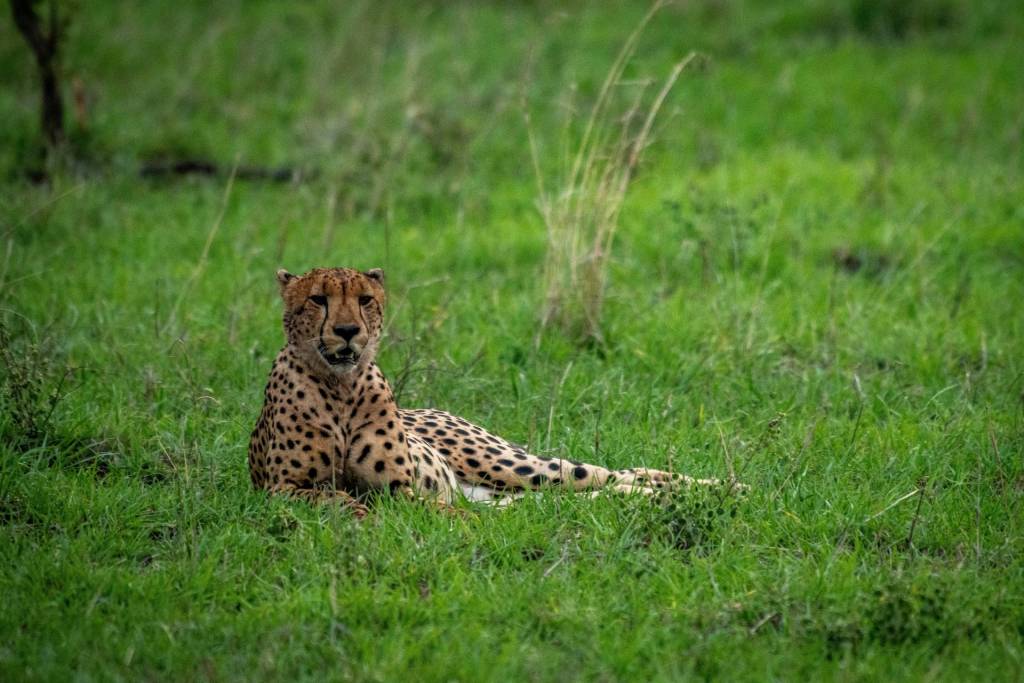
The rain changes how animals move and interact. On our first day, within 20 minutes of entering through Phabeni Gate, we spotted a cheetah right next to the road – a rare treat made possible by the animal seeking the higher, drier ground of the tarmac.
We also learned a great deal about bird behaviour. We observed white-backed and white-headed vultures roosting in trees, wings spread wide in a desperate attempt to dry their feathers. As our guide, PG, explained during a guided afternoon session, these heavy birds depend on thermals (rising warm air) to fly. The moment a sliver of sun pierced the clouds, the entire group took flight simultaneously.
Did you know? PG explained that even the ubiquitous impala has a secret. They have glands on their rear legs that release pheromones when they jump, helping the herd reassemble in the thick green bush after fleeing a predator.
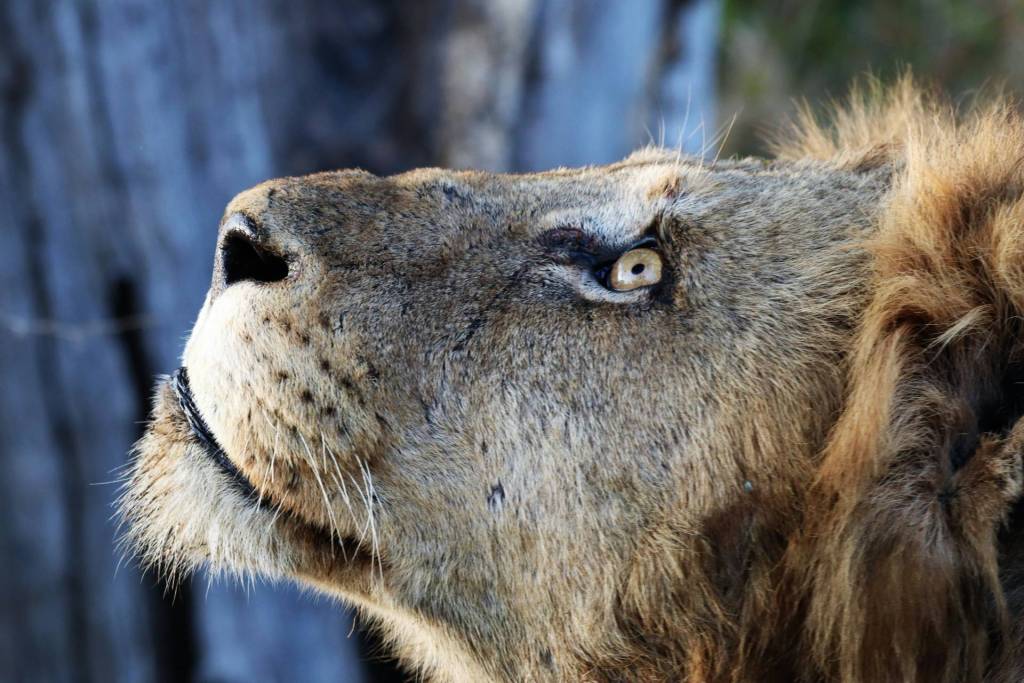
When the rain is heavy, SANParks often advises guests to postpone their bookings. For those who choose to stay, this results in a much quieter Kruger National Park experience. While we had to be flexible with our routes due to road closures, the lack of “traffic jams” at sightings was a major plus.
A Kruger self-drive thrives on a sense of community. Even with fewer cars on the road, the “stop and ask” culture remained. Slowing down to chat with a fellow driver about what they’ve seen is part of the magic – it’s how we found some of our best sightings.
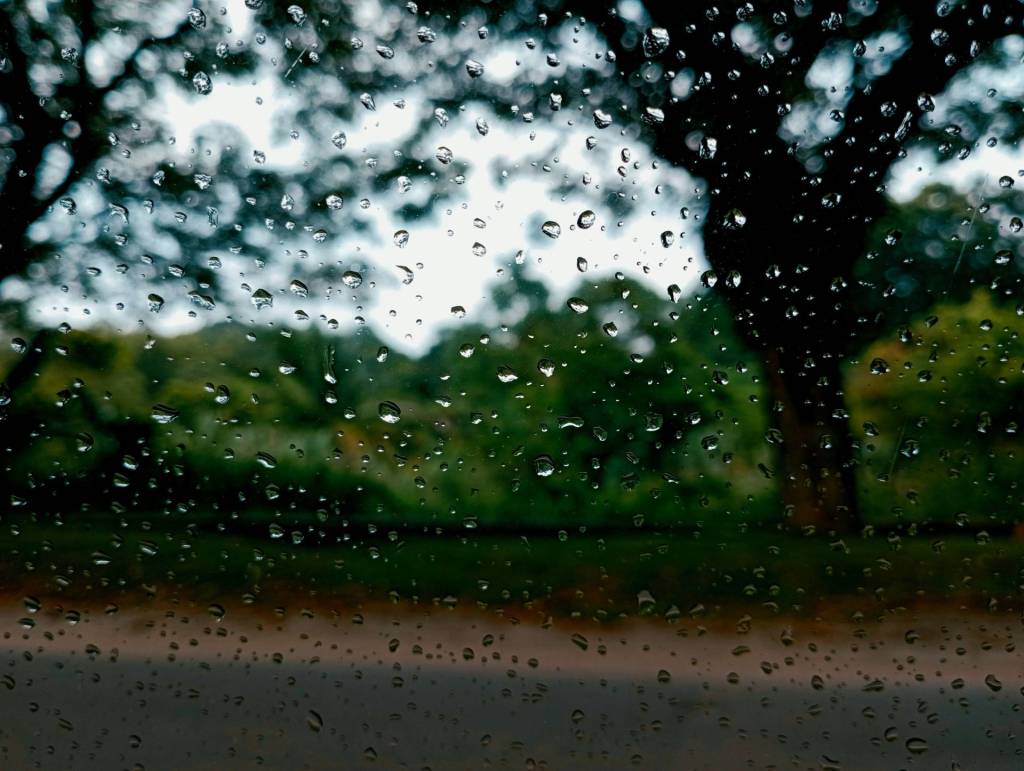
The Green Season may be unpredictable, but the rewards – from newborn animals to the lush, vibrant scenery – make it an unforgettable time to explore the wild. If you’re ready to embark on your own Kruger self-drive adventure, explore all our vehicle hire options at the top of the page.
Planning a self-drive expedition through Southern Africa is a dream for many adventurers. However, when...
13 March 2026
For decades, the Kruger National Park has stood as the crown jewel of African conservation...
23 February 2026
Venturing into the wild heart of Southern Africa in a 4×4 rental is an experience...
13 February 2026



Typically responds in under 15 minutes