


Searching...
If you’re dreaming of a journey where the horizon never ends and the silence is only broken by the rhythmic crunch of gravel under your tyres, Namibia is the definitive answer. 4×4 self-drive tours in Namibia offer a sense of profound freedom that’s genuinely hard to find anywhere else on the planet.
It’s a land of towering copper dunes, ancient Atlantic shipwrecks, and some of the most ruggedly beautiful off-road routes. Whether you’re a seasoned overlander or a first-time adventure traveller, these routes will take you through landscapes that feel entirely otherworldly and pristine.
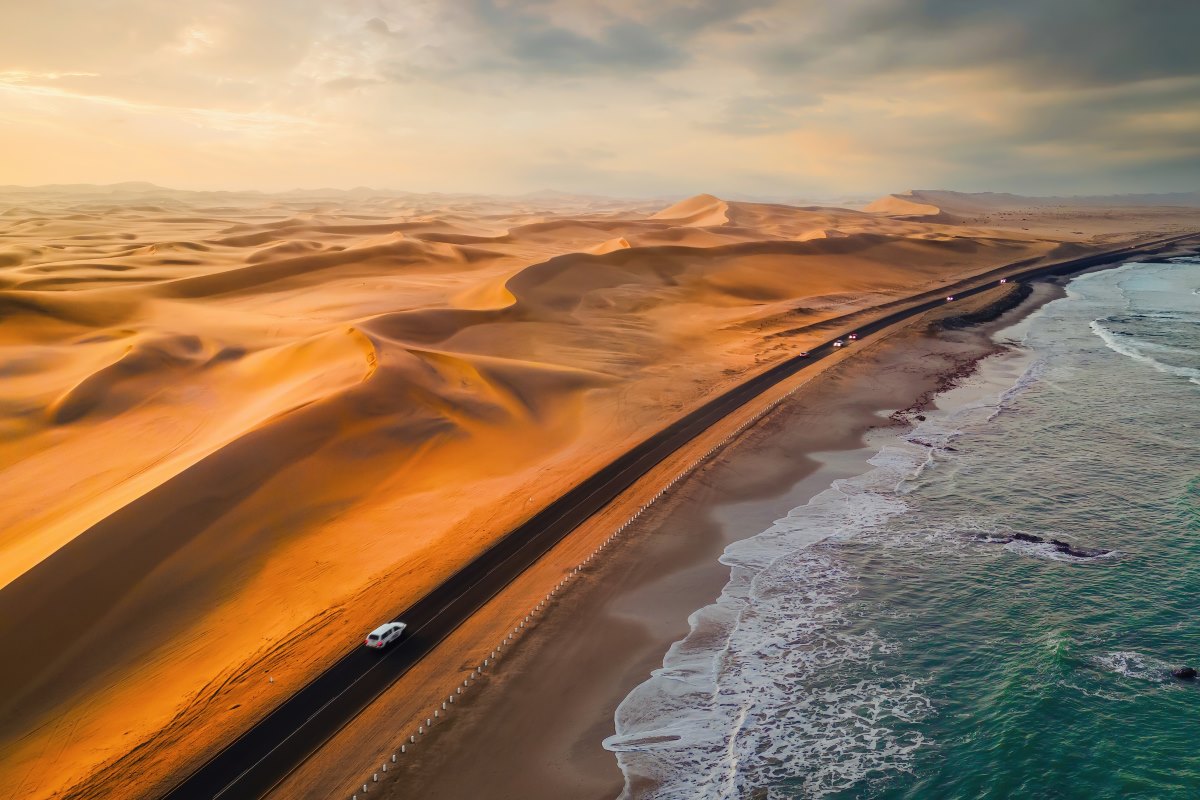
Namibia is a rite of passage for 4×4 enthusiasts and families seeking a unique connection with nature. The country almost seems purposefully designed for the self-drive explorer, featuring wide-open spaces and a network of well-maintained gravel roads that reward those who take the wheel.
It’s the ideal environment to book a fully equipped 4×4 and head into the wild with total independence. Along the way, you’ll encounter friendly locals, world-class national parks, and a level of solitude that allows you to truly disconnect from the modern world.
For the first-time visitor, this is the ultimate way to experience Africa at your own pace without the constraints of a rigid tour schedule. You’re not tied to a restrictive tour bus or a predetermined group itinerary, giving you the flexibility to linger where you feel inspired. If you want to spend an extra hour watching a desert-adapted elephant in Damaraland or stop for a spontaneous picnic overlooking the Erongo Mountains, the choice is entirely yours.
Before you head into the wilderness, it’s vital to understand what 4x4ing entails in the context of a professional rental agreement. At Drive South Africa, our mission is to ensure you have a memorable adventure while keeping yourself, your passengers, and your vehicle safe.
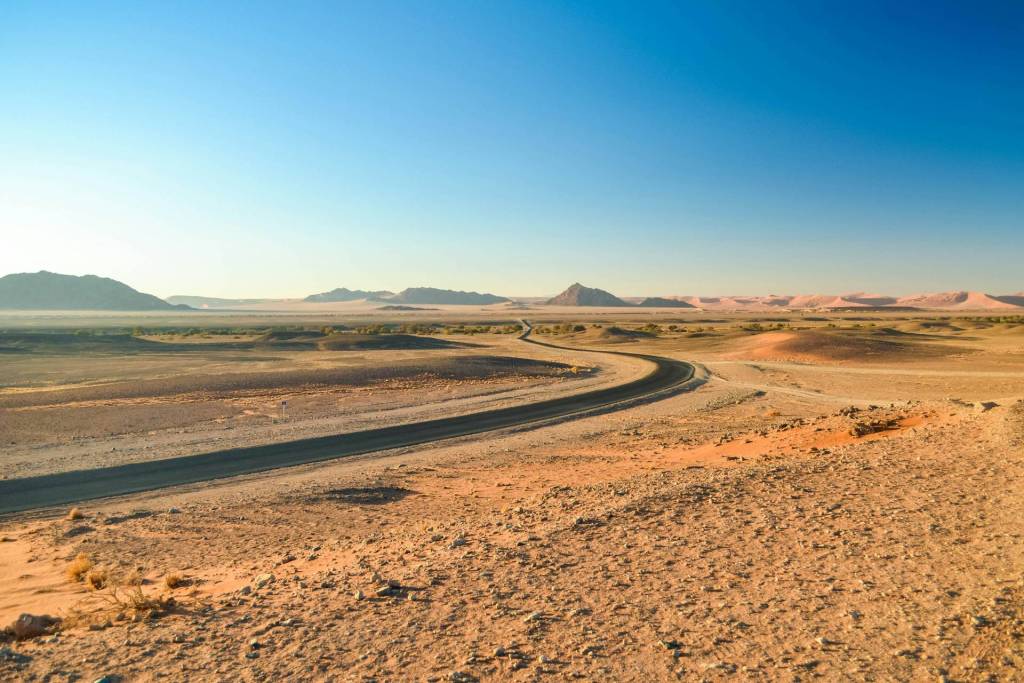
In Namibia, the term “off-road routes” refers to gazetted gravel, salt, and sand roads rather than driving across open, unmarked terrain. It’s a common misconception that a 4×4 gives you a licence to drive anywhere – in reality, sticking to the tracks is essential for both your safety and the preservation of the environment.
Our rental agreements include strict safety guidelines that are designed to protect you in remote environments. You’re not permitted to use rental vehicles outside of official, marked roads, and activities such as dune driving or technical water crossings are strictly prohibited. These activities carry a high risk of vehicle damage, mechanical failure, or rollovers, which can be particularly dangerous for those unfamiliar with the local terrain.
We also strongly advise avoiding remote campsites that require highly technical 4×4 access or “rock crawling”, as help can be many hours away in these regions. By adhering to these rules and staying on official Namibian 4×4 trails, you ensure that your insurance remains valid and the landscape stays protected.
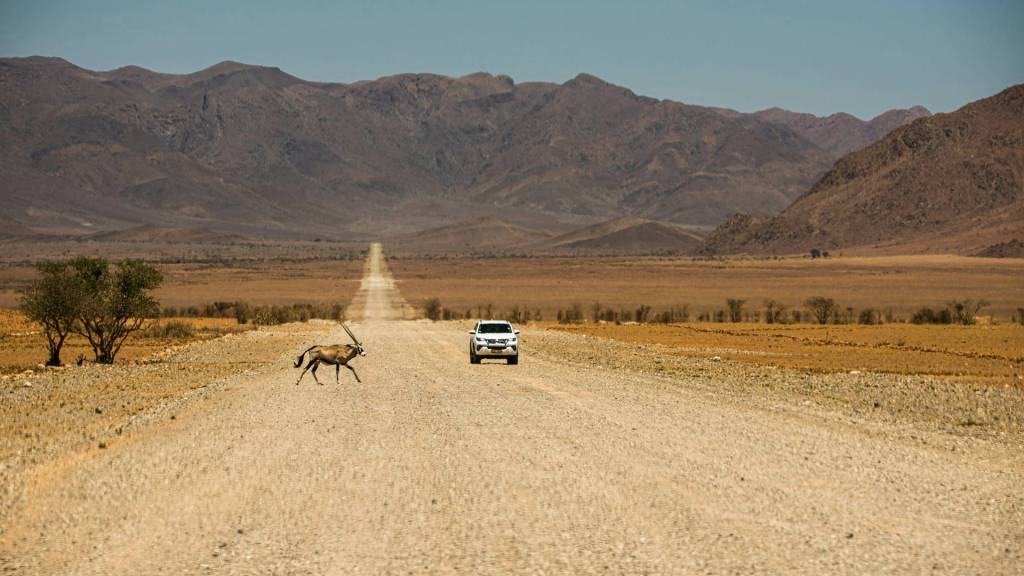
Exploring Namibia’s 4×4 trails is about more than just clearing obstacles. You’ll get to explore responsibly while ensuring you leave a minimal footprint on this ancient landscape.
Namibia has recently reached a major milestone by formally recognising its first three “Other Effective Area-based Conservation Measures” (OECMs), including the NamibRand Nature Reserve, ProNamib Nature Reserve, and Canyon Nature Park. These areas represent a shift toward biodiversity protection that extends beyond traditional park fences, acknowledging that we’re all stewards of the natural heritage where we live and travel. As a traveller, this means your “leave no trace” practices are more important than ever to protect fragile lichen fields and desert crusts.
Connectivity has also changed the way we travel through remote regions, though it’s important to stay updated on the latest local regulations. While many modern adventurers have looked to satellite systems like Starlink for communication, you should note that Namibia turned down Starlink’s licence bid in early 2026 due to local ownership requirements.
Furthermore, while roaming is technically possible from neighbouring countries where it’s approved, you’re officially encouraged to use local providers like MTC or Paratus for your data needs. When booking your fully equipped 4×4 hire in Namibia, you’ll often find options for integrated in-car Wi-Fi or satellite phones to ensure you’ve got a reliable safety net in the most remote corners of Kaokoland.
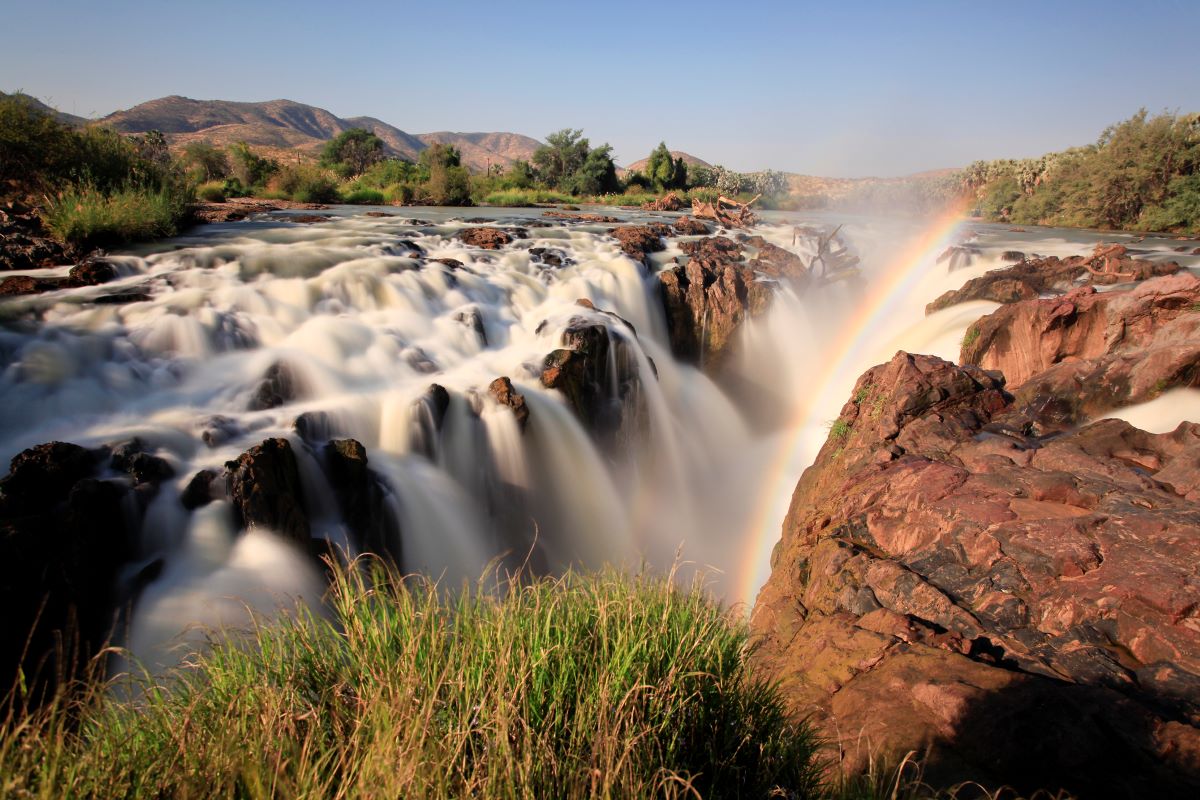
This Namibia itinerary offers a masterclass in geographical and biological diversity. Your journey begins in the central highlands before heading north toward the world-renowned Etosha National Park. The vast salt pans of Etosha are so immense they’re visible from space, creating a stark, shimmering backdrop for some of the best wildlife viewing in Africa. You may get the opportunity to see lions, rhinos, elephants, and vast herds of antelope congregating around the park’s numerous life-giving waterholes.
As you push further north into the Kaokoland region, the terrain becomes wilder and more technically engaging. You’ll navigate the dusty gravel tracks of the Kunene region, which serves as the traditional home of the Himba people. This area is also famous for its elusive desert-adapted elephants, which have evolved to survive in the harsh, dry riverbeds. Highlights of this northern loop include the Waterberg Plateau, the haunting, mist-shrouded beauty of the Skeleton Coast, and the dramatic granite peaks of Spitzkoppe.
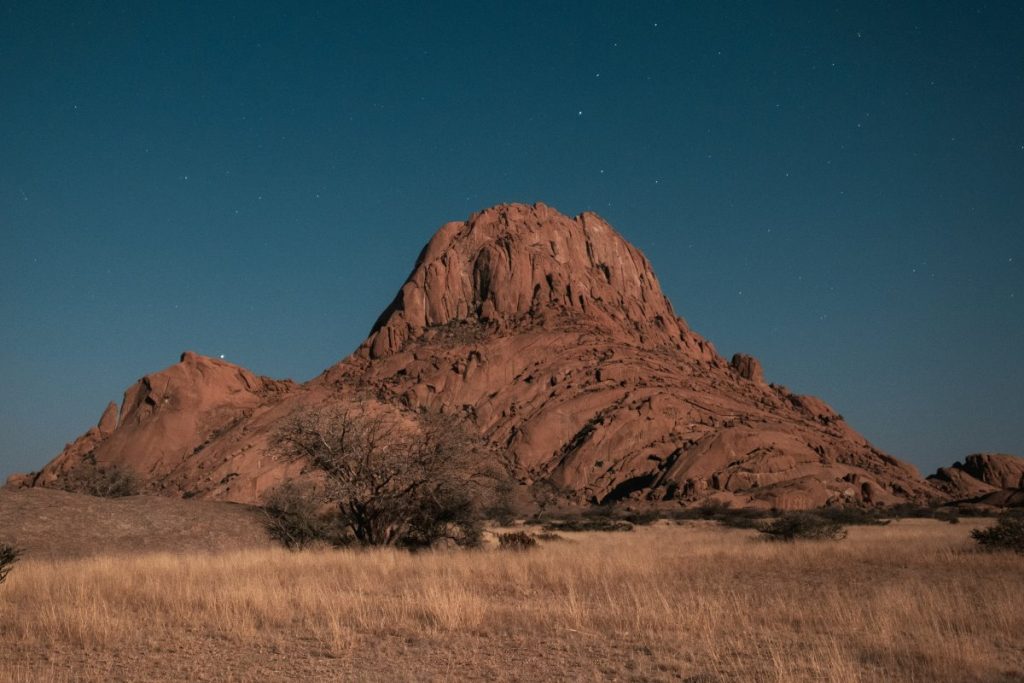
This southern Namibia road trip is defined by its incredible scale, ancient geology, and shifting desert light. Your first major destination should be the Fish River Canyon, which holds the title of the largest canyon in Africa. Standing on the canyon rim at sunrise is a profound, soul-stirring experience that highlights the sheer age of the African continent.
From the canyon, the route heads west toward the Atlantic coast to the famous ghost town of Kolmanskop. Once a wealthy diamond-mining hub, this town is now being slowly and beautifully reclaimed by the shifting sands of the Namib Desert.
Finally, no southern circuit is complete without an extended visit to Sossusvlei within the Namib-Naukluft Park. Here, you’ll find some of the highest sand dunes in the world, which glow in spectacular shades of apricot, orange, and deep red as the sun moves across the sky. While you can’t drive your rental vehicle onto the dunes themselves, the road leads you directly to Deadvlei (arrived at via a soft-sand 4×4 track). This white clay pan, punctuated by the dark silhouettes of 900-year-old dead camel thorn trees, is perhaps the most photographed spot in the country.
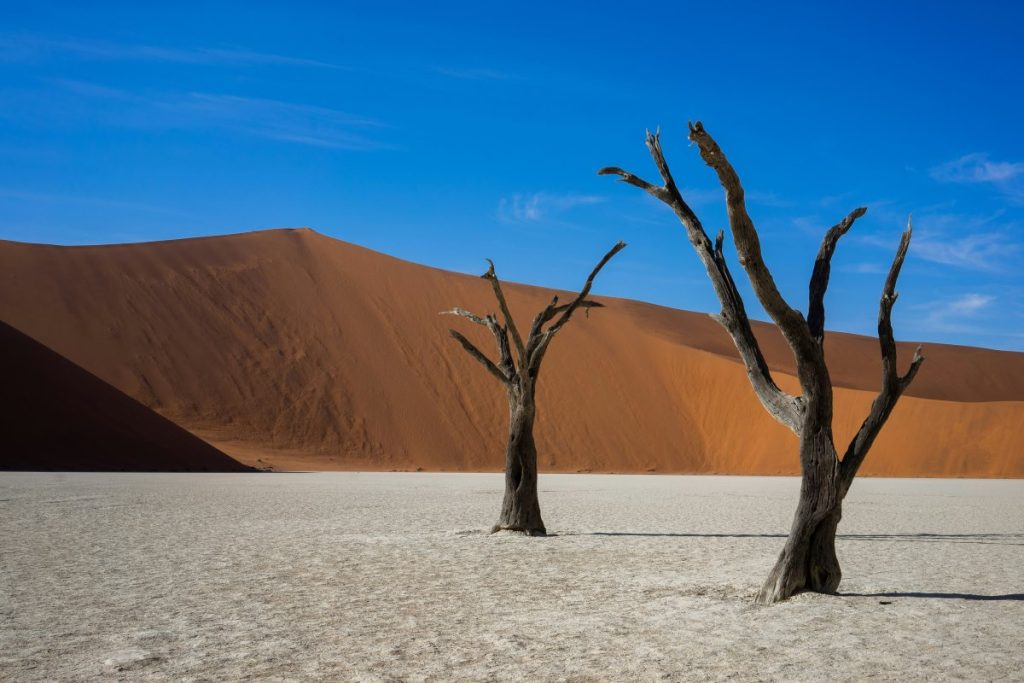
When you enquire about 4×4 hire in Namibia, you’re on the road to securing much more than just a vehicle. Essentially, you’re renting a mobile home designed for the desert.
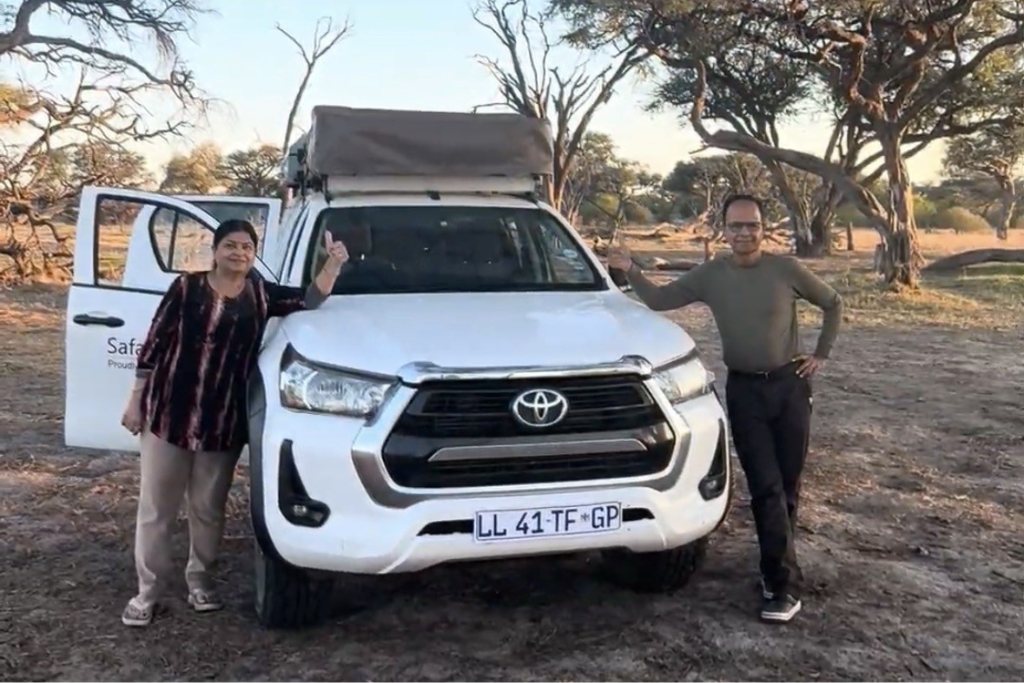
Our fully equipped rentals are typically late-model Toyota Hilux Double Cabs, Land Cruisers, or Ford Rangers, all engineered to make your journey as seamless and comfortable as possible – even when you’re hundreds of kilometres from the nearest town. Some setups include high-quality rooftop tents that allow you to sleep safely above the ground and set up camp in a matter of minutes.
Inside the vehicle, you’ll typically find a built-in 40-litre or 50-litre fridge-freezer, which is essential for keeping your food fresh and your drinks cold in the intense Namibian heat. The integrated kitchen kit is comprehensive, featuring a gas stove, all necessary crockery, cutlery, and cooking utensils for preparing meals under the stars.
For your peace of mind, certain vehicles are fitted with dual-battery systems and long-range fuel tanks to ensure you’ve got the power and range needed to navigate the vast distances between service stations.
The most important part of your 4×4 rental is not one but two spare tyres. Namibia eats tyres up, so having an extra spare can help you get out of tricky situations. Also, ensure that your rental agreement includes tyre cover.
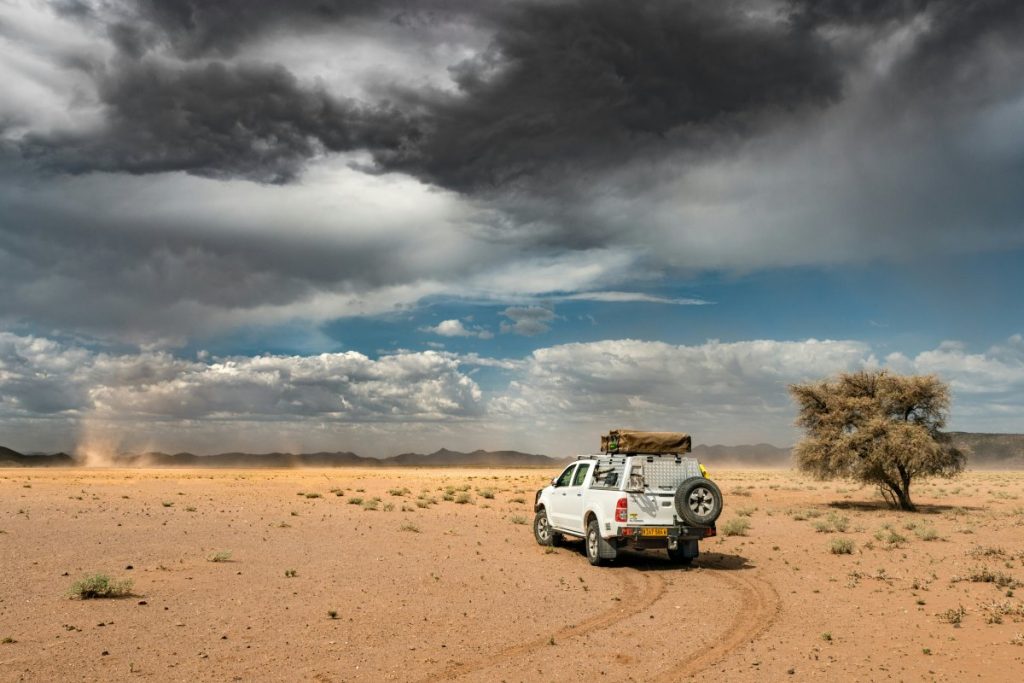
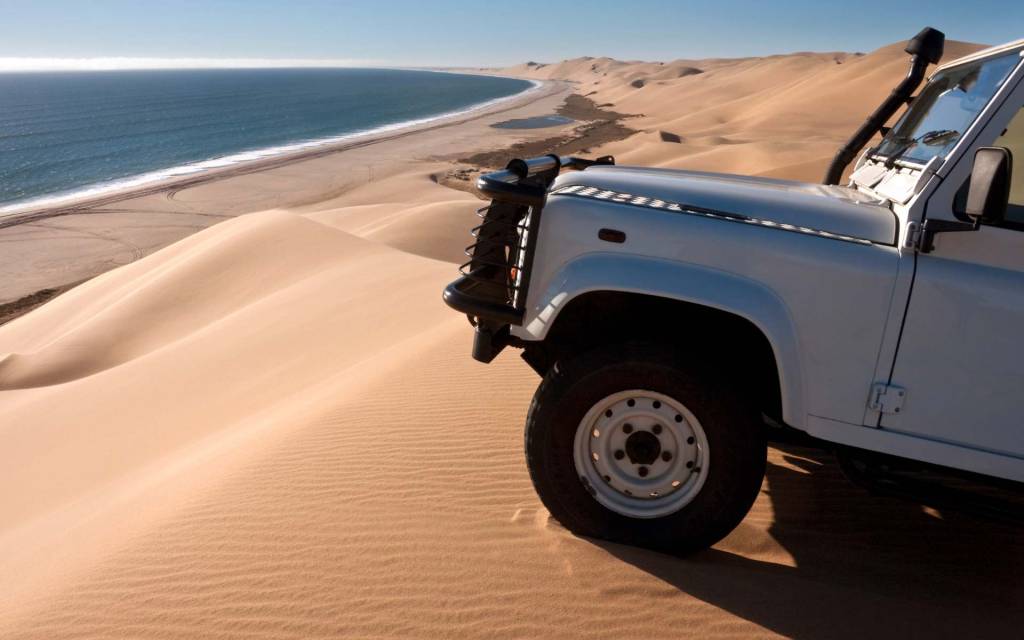
Exploring Namibia from the driver’s seat is the most authentic and rewarding way to experience the heart of this desert nation. It’s rugged, it’s challenging, and it’s a journey that’ll undoubtedly leave you with a lifetime of memories. By sticking to the official off-road routes in Namibia and respecting the power of the natural environment, you’ll ensure a safe trip that preserves this landscape for future explorers.
Are you ready to take control of your next great adventure? Enquire about 4×4 hire in Namibia and let our team of experts help you choose the perfect vehicle and equipment for your African safari.



Typically responds in under 15 minutes