



Searching...
South Africa has thousands of kilometres of excellent roadway, but exploring these pristine routes often comes at a financial cost. More specifically, toll roads in South Africa require drivers to pay toll fees at numerous strategic points around the country.
We’ve put together this essential guide to how toll roads in South Africa operate to help you navigate your holiday journey seamlessly. Read on to get to know our national highway networks much better before you head out on the open road.
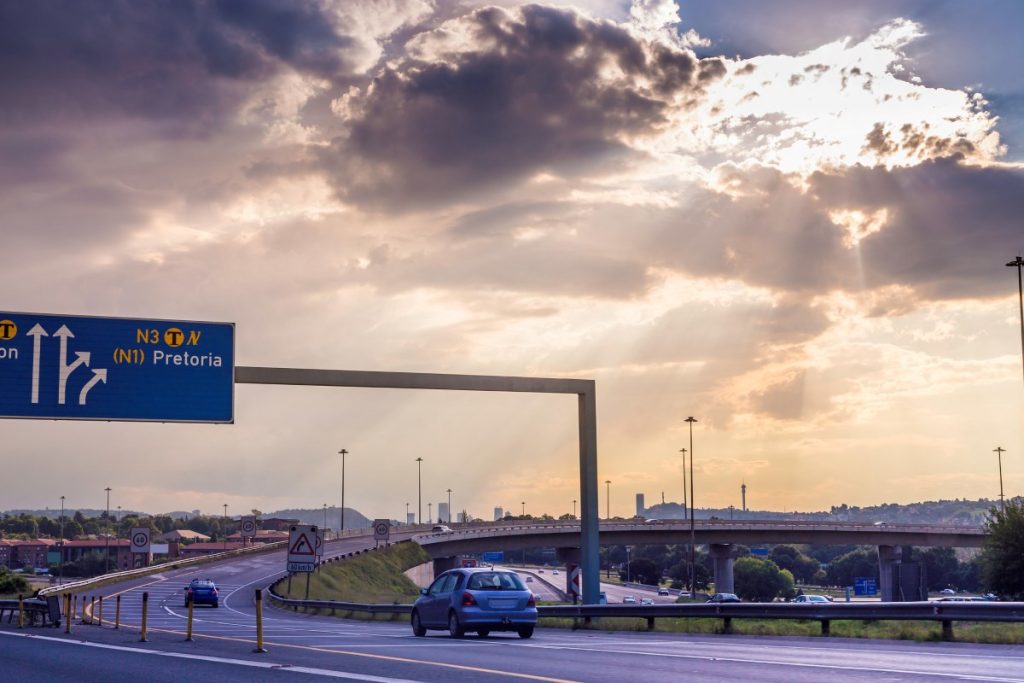
The South African National Roads Agency (SANRAL) use these tariffs as a continuous revenue stream. This process ensures there are always sufficient funds available for the ongoing maintenance and major upgrades of national freeways.
For the most part, you can clearly see the fruits of these investments when driving on national highways like the N1, N2, N3, and N4. These key corridors experience high traffic volumes daily, which naturally leads to general surface degradation over time.
Paying your South Africa toll road fees directly helps protect your vehicle from excessive wear and tear. According to SANRAL, high-quality toll roads reduce total travelling distances and save you much-valued travel time.
The revenue generated from these plazas is strictly allocated to the following operational tasks:
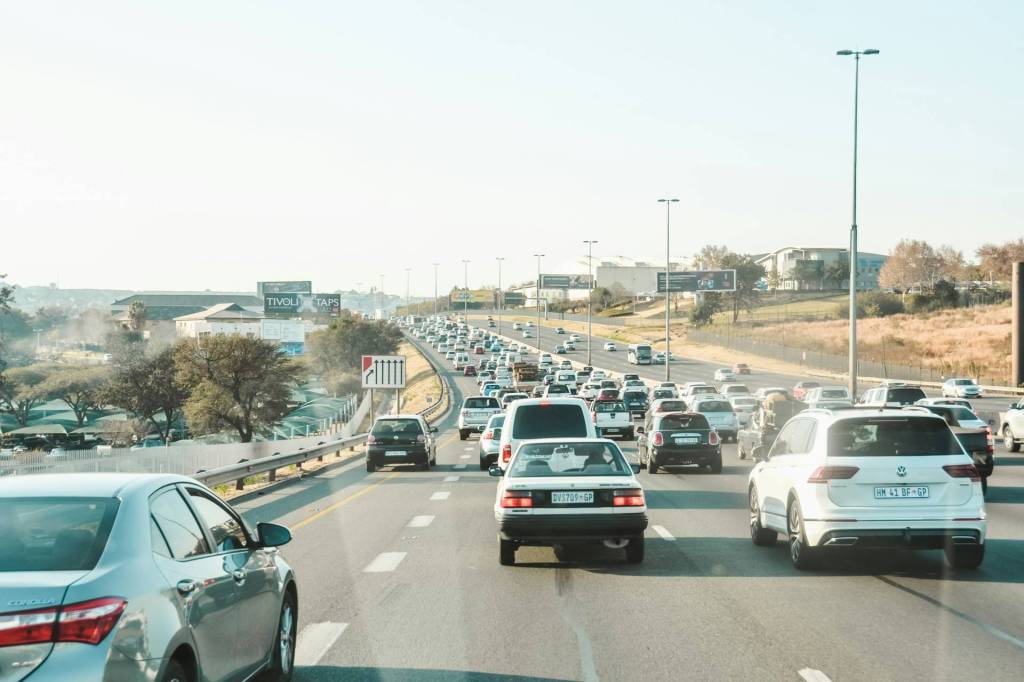
SANRAL determines your exact fees for national road tolls in SA based on your specific vehicle or rental vehicle classification. Generally speaking, the larger and heavier your vehicle choice, the higher the respective toll fee will be.
The four distinct vehicle classes are outlined below:
South Africa’s primary toll gates are strategically positioned to manage high traffic flow across major economic routes. To budget your trip precisely beforehand, utilising a reliable online toll road calculator for South Africa will provide the latest live rates for your trip.
The standard Class 1 light vehicle tariffs for the most popular self-drive holiday highways include several key routes.
This massive cross-country corridor cuts straight through the interior of South Africa. For adventurers heading to the far northern reaches of Limpopo, the sequential mainline South African toll gates require a total one-way budget of R357.50.
🗺️ Route Map: Plan your northern self-drive journey using the N1 North Google Maps Route with pinned toll plazas.
If you’re instead driving south on the N1 between Johannesburg and Cape Town, you will encounter these mainline stops totalling R252.00:
🗺️ Route Map: Visualise your cross-country trip map via the N1 South Google Maps Route with pinned toll plazas.
This incredibly popular holiday route connects the inland highveld directly to the warm coastal beaches of KwaZulu-Natal. Navigating all the mainline gates along this scenic freeway totals R347.50 one-way:
🗺️ Route Map: Track your exact holiday path via the N3 Durban Google Maps Route with pinned toll plazas.
This beautiful highway takes you eastward towards Nelspruit, the Panorama Route, and the world-famous Kruger National Park. It includes several major plazas, featuring the single most expensive individual toll point in the country:
🗺️ Route Map: Map out your safari road trip points using the N4 East Google Maps Route with pinned toll plazas.
As you approach any plaza, it’s essential to review the overhead lane markers carefully. Spotting the correct toll gate sign in South Africa early ensures you safely position your vehicle in the right lane.
South Africa’s transaction network has modernised completely, making your payments faster, highly efficient, and incredibly secure:
Please remember that Diners Club, American Express, and the vast majority of international debit cards are not accepted by local toll systems. It’s always a smart option to keep a small cash float tucked in your glove box when exploring remote regional routes.

If you’re navigating the urban highways around Johannesburg or Pretoria, you’ll notice large overhead gantries. However, while these once caused plenty of controversy, E-Tolls are no longer active in South Africa after being permanently decommissioned.
The old freeway gantries won’t scan your vehicle or generate any automated invoices while you drive. Local law enforcement authorities continue to use the cameras strictly for public safety monitoring and anti-crime purposes.

Understanding how the national system works ensures that navigating toll roads in South Africa remains a completely stress-free experience. Now that you’re fully equipped with the latest updated data, you can plan your next itinerary with absolute confidence.
Drive South Africa offers a premium selection of reliable cars, robust 4×4 hires, and spacious campervan rentals tailored to your travel needs. Simply use our handy vehicle finder tool at the top of our page to compare rates and book your dream drive today!



Typically responds in under 15 minutes