



Searching...
There is a raw, untamed allure to the open road that only a self-drive safari in Botswana can truly satisfy. In 2026, the freedom to navigate your own path through the labyrinthine waterways of the Okavango Delta or the elephant-choked thickets of Chobe National Park remains the ultimate dream for many overlanders.
Whether you’re embarking on a legendary South Africa to Botswana drive or exploring the desolate, haunting beauty of the Central Kalahari Game Reserve, a Botswana road trip offers an intimacy with the wild that guided tours often miss.
However, these journeys come with unique challenges, and being well-prepared is the key to a successful expedition. If you’re ready to take the wheel but need a rugged vehicle capable of handling the terrain, consider Drive South Africa for 4×4 hire in Botswana to find your perfect match.
Before you set off, here are 10 things that you need to consider on your Botswana self-drive safari.
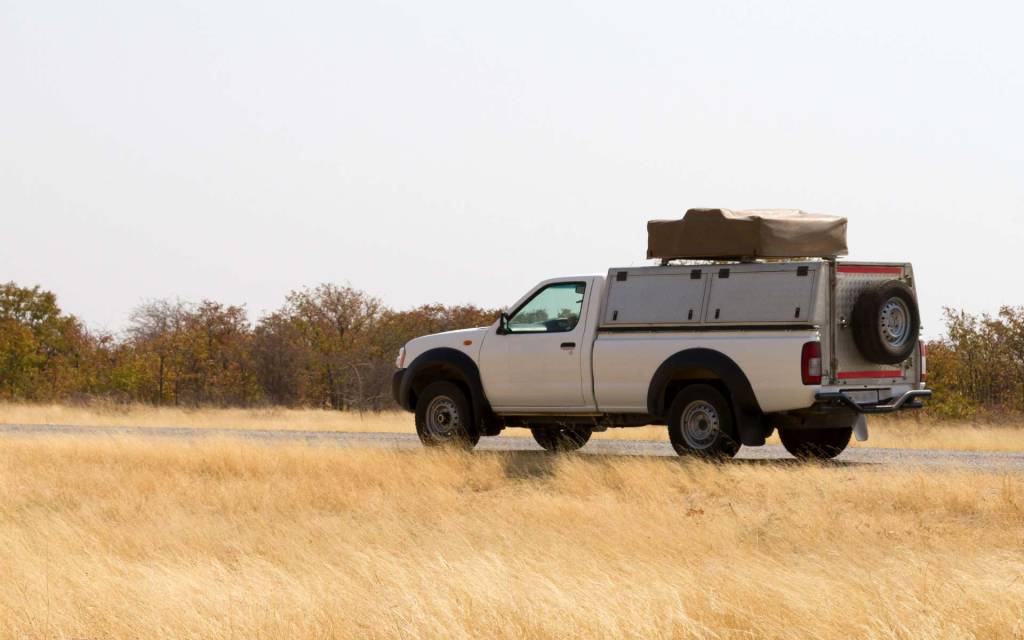
Most game parks in Botswana lack refuelling points. Therefore, it’s important to have more fuel than you need in case of emergencies. Furthermore, make sure you take sufficient amounts of clean water for drinking, cooking, and washing.
If you need to make a campfire, make sure that you buy firewood before getting into the park, as visitors are expressly forbidden from collecting firewood in protected areas. Finally, stock up on all essential food items, car repair tools, and a first aid kit. Check with your rental provider to see what they provide by default.
The first thing you have to be aware of when on Botswana roads is that all vehicles are right-hand drive. Secondly, most countryside and park roads in the northern part of Botswana are sandy, muddy, and in bad condition, especially during the rainy seasons.
These roads often have deep pools of water, slippery clay, and soft sand that could get your vehicle easily stuck.
It’s always advisable to use a 4×4 for self-drive tours in Botswana. For a successful Botswana road trip, ensure your chosen vehicle has high ground clearance and low-range capabilities.
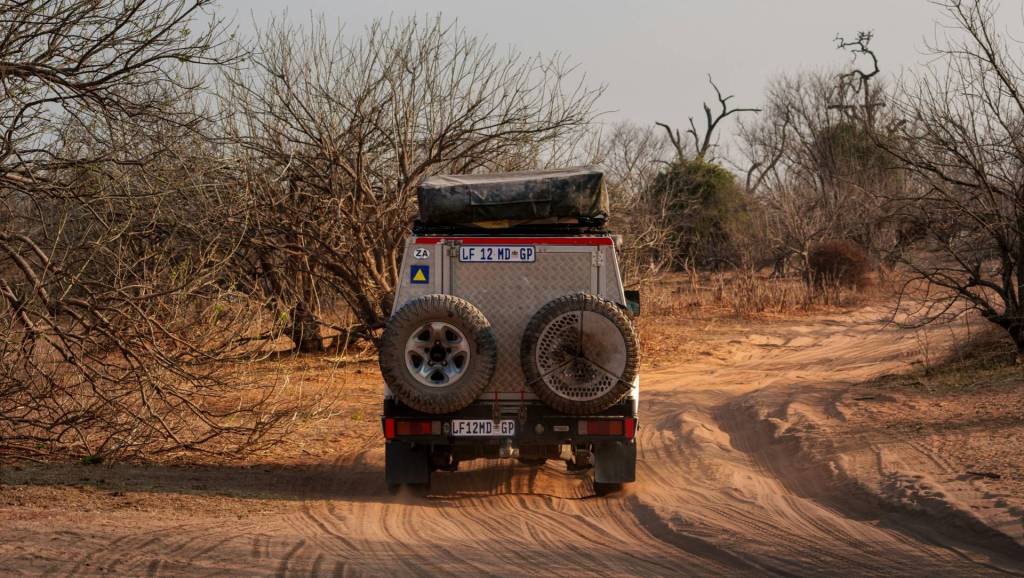
Veering off from designated roads in the parks may lead you into dirt roads, which are often impassable, and you may get stuck. Since such roads are seldom used, it may become challenging for the park rangers to find you if you get lost.
In fact, off-road driving is not allowed in all of Botswana’s national parks. This measure is meant to preserve some parts of the park’s ecosystem by keeping them pristine. Respecting these boundaries is a core part of any Botswana self-drive safari.
Remember that you’re on a self-drive trip, and you may not be in the company of a tour guide or a park ranger. This implies that you will need a map and, if possible, a GPS that will help you to navigate through the park – especially since many of the roads within the parks lack signposts to direct you. In 2026, while digital tools are highly advanced, having a hard-copy map remains a vital backup for a Botswana self-drive itinerary.
Tip: The Tracks4Africa app is a fantastic recourse when overlanding in Africa.
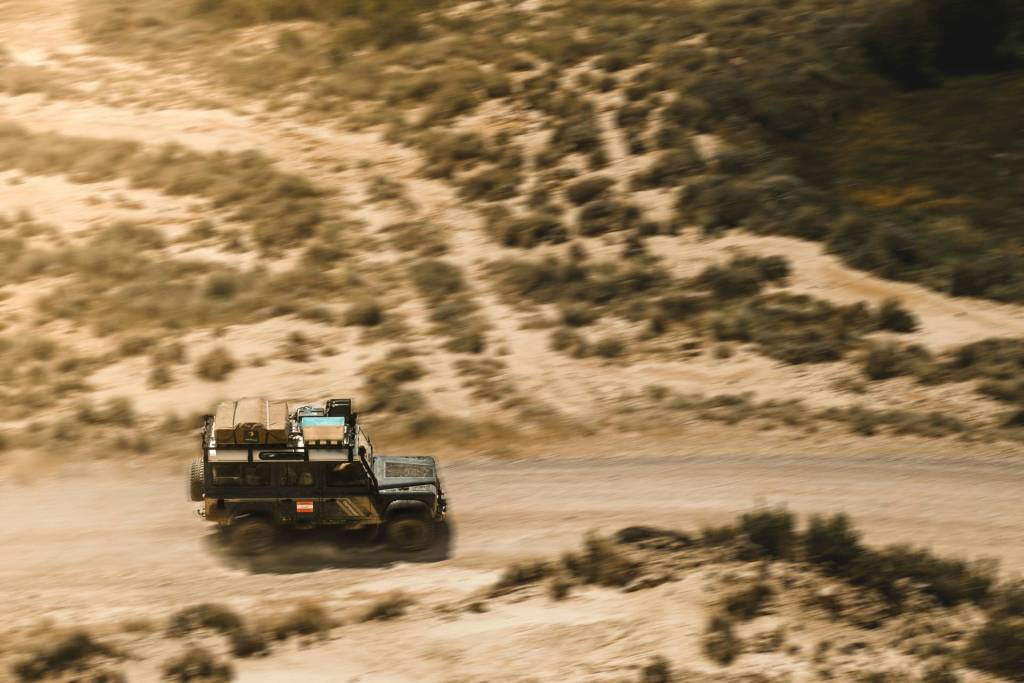
For a budget self-drive safari in Botswana, consider travelling during the low or shoulder season, with the low season being from December to March and the shoulder season from April to May and November. During these months, there are fewer tourists, so lodge rates and other travel expenses are lower than in the high season (June to October). This makes Botswana self-drive holidays much more accessible for many travellers.
Important: If travelling in the low or shoulder season, be prepared for more rain and a more challenging driving experience.
There’s a relatively high risk of getting malaria in the northern parts of Botswana. The risk is even higher in the wet season. Visitors are encouraged to use mosquito repellants, wear long-sleeved clothes, and use mosquito nets while camping. Additionally, take antimalarial medication.
Important: Consult your doctor before taking any prophylactic medications.
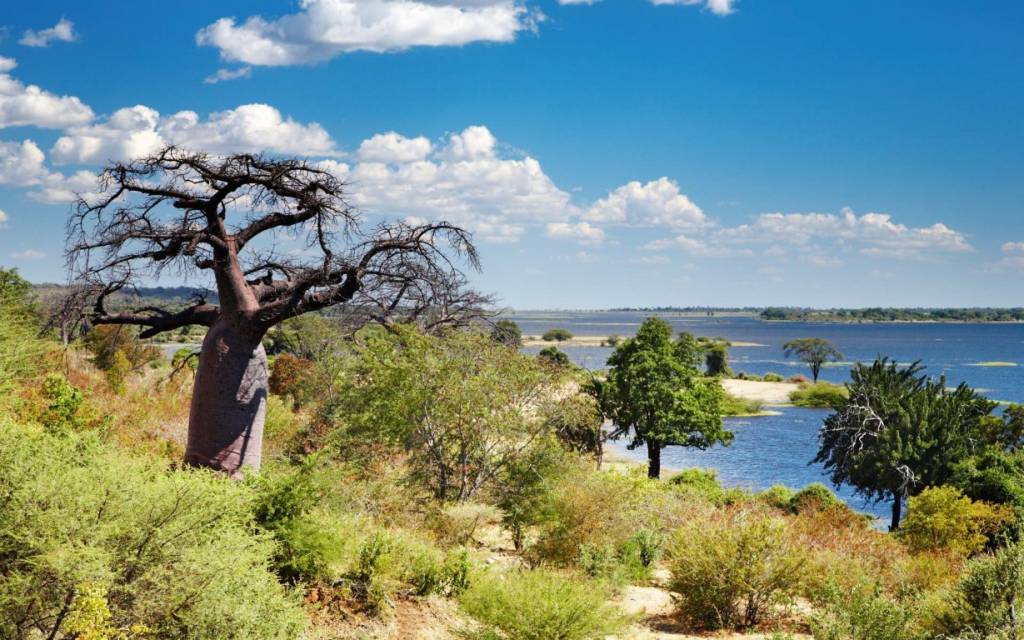
Two-way radios are not allowed in the parks, and traditional mobile phones may fail to work when you’re out in the park because of poor network reception. As such, it’s advisable to carry a satellite phone for better communication in case of an emergency.
This is one of the most important Botswana self-drive tips for safety in remote regions. Luckily, many of Drive South Africa’s 4×4 rental partners offer satellite phones as optional extras.
Visitors are not allowed to wander away or walk in the park without the company of a ranger or tour guide. If you’re camping, don’t leave the designated camping site. If on a driving trip, don’t leave your car and always ensure that your doors and windows are well secured.
This is particularly important in the early mornings and in the evening when most animals are actively hunting – and when your own visibility is low.
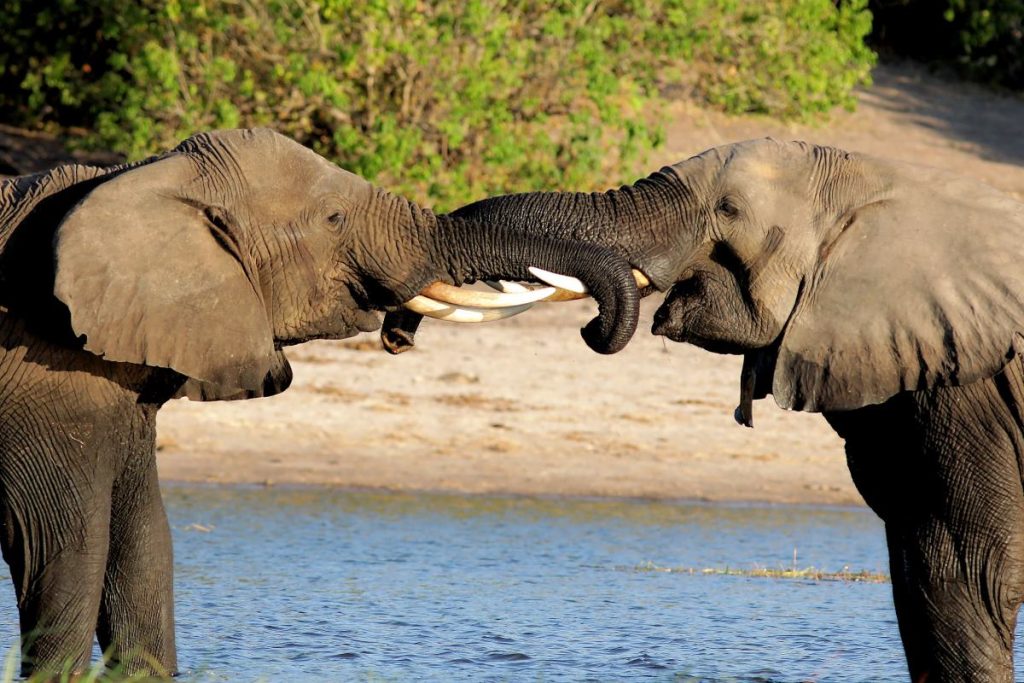
The prevalence of conditions such as foot-and-mouth disease, which affects wild animals, has led to the ban of items or products from animals which may carry pathogens. Some items you can’t bring across the border into Botswana include fresh milk and meat, game skins, as well as products from hoofed animals.
Try to check the latest updates on park regulations. Other banned items may include drones and weapons.
Feeding wild animals habituates them to humans, and in many cases, they begin to associate people with food. This poses a threat because the animals can inflict serious harm if they get irritated or feel threatened. Also, don’t keep foodstuffs in your tent – wild animals have a strong sense of smell, which may draw them into your camp. Instead, keep all your food supplies safely stowed away in your vehicle.
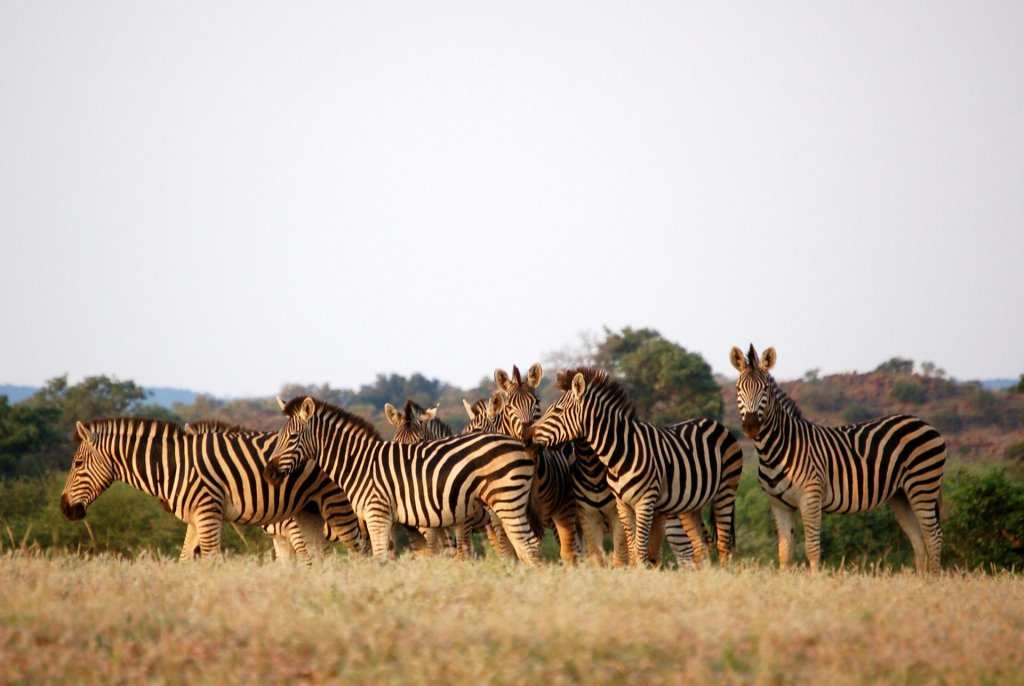
Finding the right path through the wilderness is easier with a planned itinerary. Based on our Road Trip Explorer, here are some of the best routes for your adventure:
Starting and ending in Maun, this route takes you through the wildlife-rich Moremi Game Reserve and the iconic Savute region of Chobe National Park. It includes stops at the vast salt flats of Nxai Pan and offers a base in Kasane to explore Victoria Falls.
This 14-day loop focuses on the highlights of northern Botswana. From the rare African wild dogs in Moremi to the elephant-rich floodplains of Chobe, it covers the most popular wildlife destinations before returning to Maun via the baobab-filled landscapes of Gweta.
For those with more time, this extensive journey covers the Khama Rhino Sanctuary, the deep sands of the Central Kalahari Game Reserve, and the remote wilderness of the Kgalagadi Transfrontier Park.
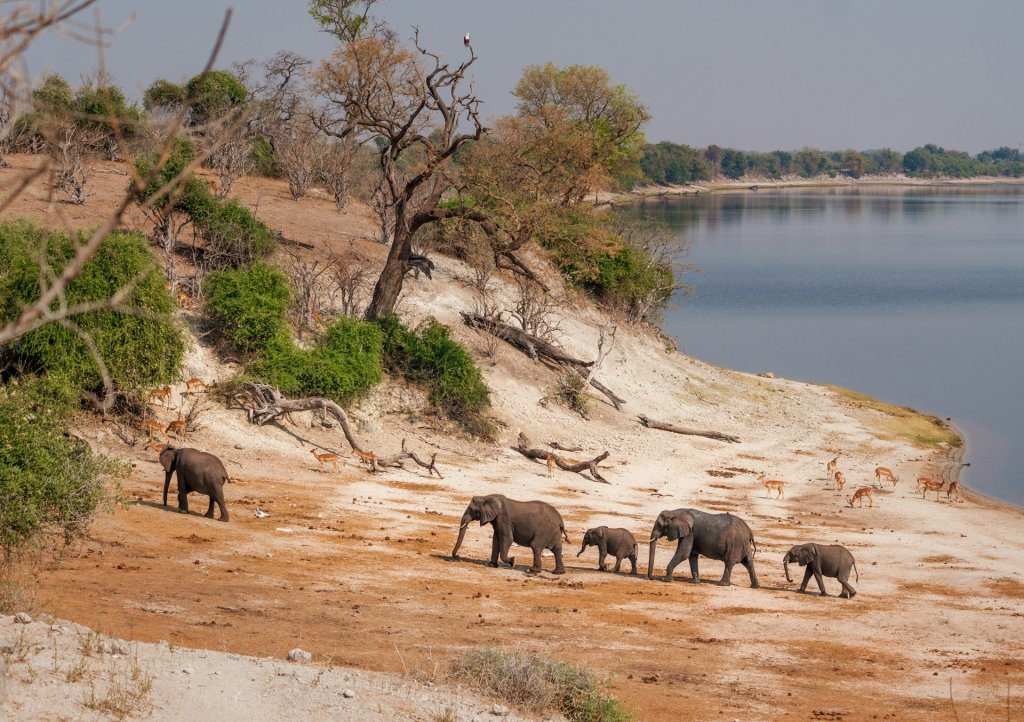
This ambitious route often starts in South Africa, traversing the heart of the Kalahari desert and visiting remote pans like Kubu Island before heading into the lush Okavango Delta and Chobe Riverfront.
A self-drive safari Botswana adventure offers a unique connection to the wild. By following these guidelines and choosing the right Botswana self-drive 4×4, you can ensure your 2026 journey is both safe and unforgettable.
Botswana’s landscapes are waiting for those prepared to explore them with respect and caution. All that’s left for you to do is choose your preferred 4×4 rental from our wide selection!



Typically responds in under 15 minutes