

Wildlife Driving Etiquette and Safety: Essential Self-Drive Safari Tips
Heading out on a self-drive adventure across Southern Africa offers unmatched freedom and thrilling game...
 13 November 2026





Searching...
When you venture beyond the eastern end of the Garden Route, manicured dual-carriageway highways give way to rolling green hills, deep river gorges, and dramatic coastal bluffs. Exploring the Wild Coast in South Africa is an unforgettable rite of passage for adventurous road-trippers.
The region offers an authentic journey through ancient yellowwood forests and across windswept beaches where cattle wander freely beside the crashing surf.
Unlike the heavily developed coastal areas in South Africa, this legendary stretch of the Eastern Cape remains refreshingly raw and unspoiled. Whether you’re planning a multi-day Wild Coast hike, searching for secluded Wild Coast camping spots, or packing your vehicle for rough 4×4 tracks, this untamed Wild Coast travel guide provides the practical route details and driving advice you need to navigate the region safely.
The Wild Coast occupies a 250 km stretch of coastline in the Eastern Cape province. It begins at the Great Kei River in the south and extends northwards to the Mtamvuna River at the border of KwaZulu-Natal.
Formerly known as the Transkei, the region is famous for its rolling pastures dotted with turquoise-and-white Xhosa rondavels, dense subtropical vegetation, and secluded bays that can only be reached via unpaved gravel tracks.
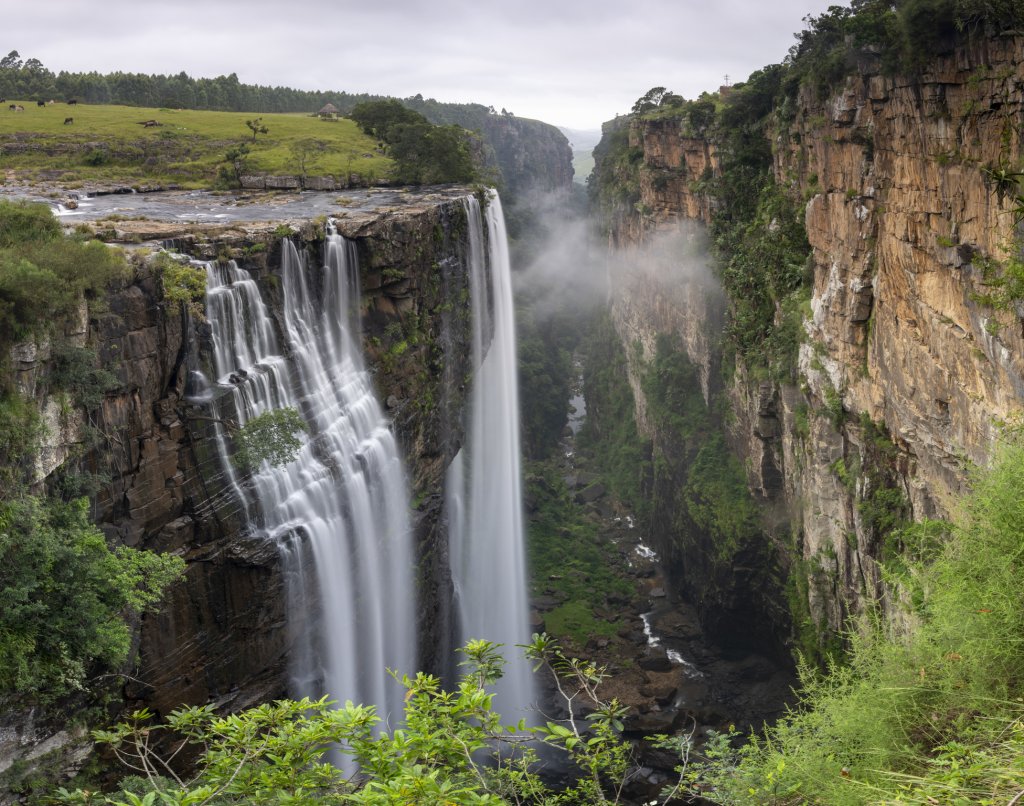
To truly appreciate the Wild Coast’s untouched nature, you have to leave the main highway behind and head toward the Indian Ocean. The landscape is sliced by dozens of coastal rivers, creating deep valleys and dramatic geological features that make this one of the premier wilderness destinations in South Africa.
While many travellers begin their Eastern Cape adventures chasing forest cascades in places like Hogsback, the coastline itself holds some of the continent’s most spectacular water features.
Near Port St Johns, the roaring Magwa Falls plunges 142 m into a narrow, sheer-walled canyon surrounded by lush tea estates. Further along the Pondoland coastline lies Waterfall Bluff, one of the rare waterfalls on Earth that cascades directly into the open ocean. Watching freshwater crash straight into the Indian Ocean surf is a highlight of any trip to the Wild Coast.
Important to know: Reaching Waterfall Bluff requires a multi-hour hike. From Cutwini Village it takes around four hours (round trip), and from Mbotyi River Lodge it takes a full day.
Bisected by the wide Mbashe River, the twin reserves of Dwesa and Cwebe protect dense coastal forests filled with ancient cycads, wild yellowwood trees, and abundant birdlife.
The dirt trails leading through Dwesa are overgrown and adventurous, demanding careful wheel placement over rocky washaways.
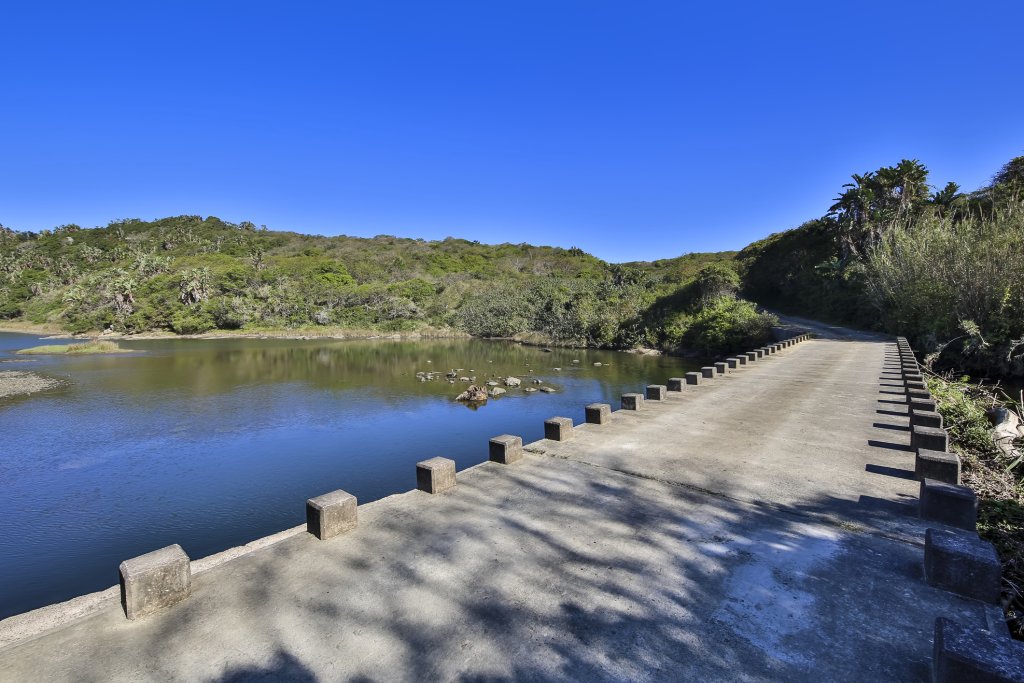
Widely regarded as a flagship provincial reserve, Hluleka features a steep descent through indigenous coastal forest toward a protected bay and private beach.
The reserve is home to seven stylish wooden chalets perched on the hilltop, offering panoramic windows overlooking the ocean and the indigenous tree canopy. Guests can often spot zebras grazing close to the sand while enjoying views of crimson sunrises over the headlands.
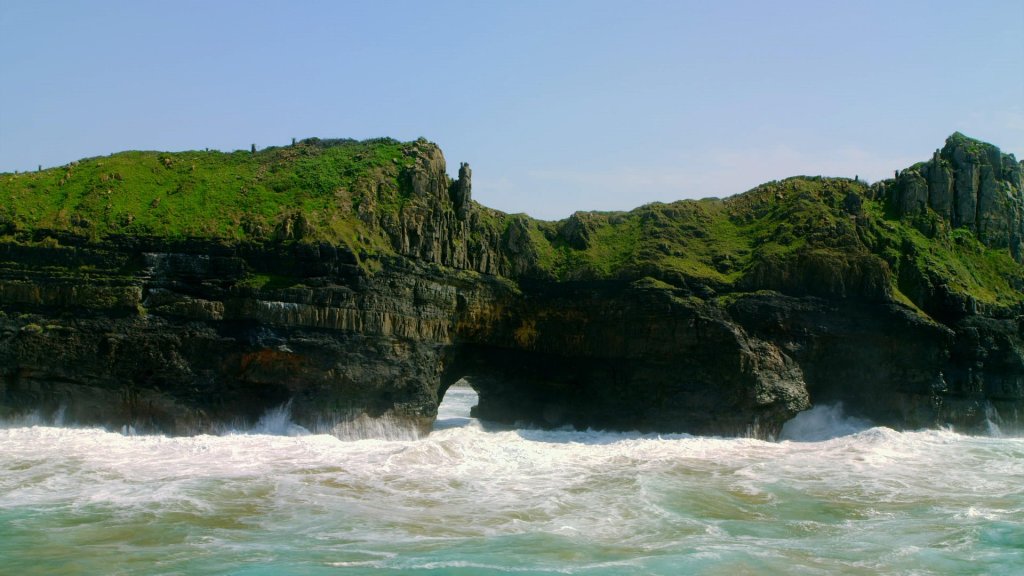
Located just south of Coffee Bay, Hole in the Wall is an immense, detached offshore rock formation featuring a massive central arch carved out by millions of years of wave action.
The rough, unpaved back roads leading to the site require slow, methodical driving, but the sight of heavy ocean swells detonating through the stone arch makes every bumpy kilometre worthwhile.

Taking a Wild Coast vacation allows travellers to immerse themselves in pristine nature while enjoying authentic local hospitality.
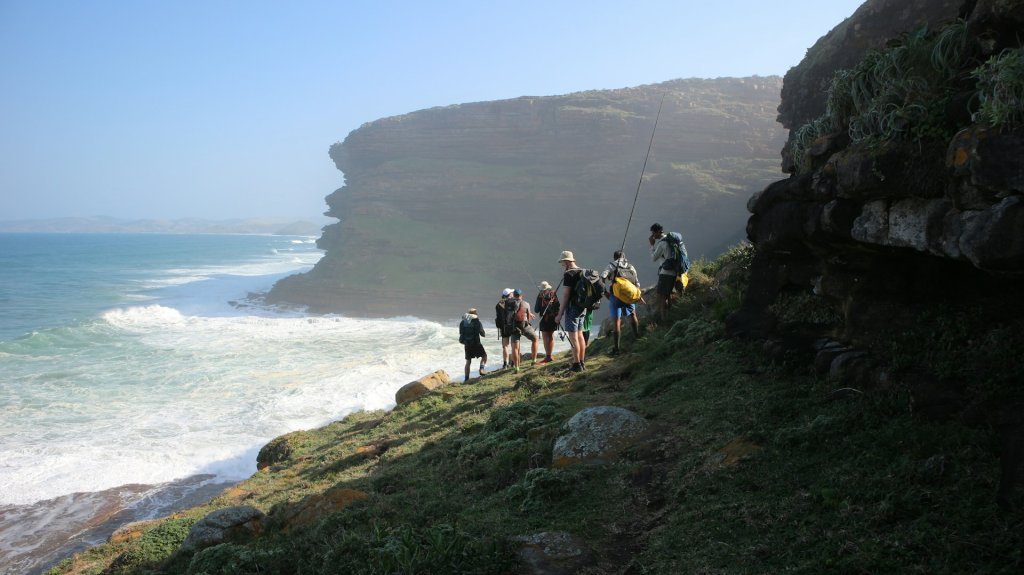
Embarking on a guided or self-guided Wild Coast hike takes you along untouched headlands, across river ferries, and into remote rural communities. Popular routes between Port St Johns, Coffee Bay, and Lubanzi let you explore the coastline on foot while spending evenings sharing stories around fires at eco-lodges and backpackers.
If you enjoy outdoor camping, designated sites at Dwesa and Coffee Bay place you within walking distance of the shoreline. For travellers seeking comfort, the self-catering chalets at Hluleka Nature Reserve provide fully equipped kitchens, comfortable furnishings, and tranquil settings surrounded by wildlife.
Driving across this region is an adventure in itself, but it demands patience, keen awareness, and deliberate vehicle preparation.
While primary routes like the N2 are paved, secondary gravel roads branching toward the sea are heavily degraded. Potholes, severe washaways, and exposed shale are commonplace, particularly following heavy summer downpours. Maintain a moderate pace and pay constant attention to the road surface ahead.
Free-roaming cows, goats, and donkeys are an everyday reality throughout the region. Cattle frequently wander onto rural roads or lie down on warm asphalt around blind bends. Always reduce your speed when approaching hillcrests and village settlements.
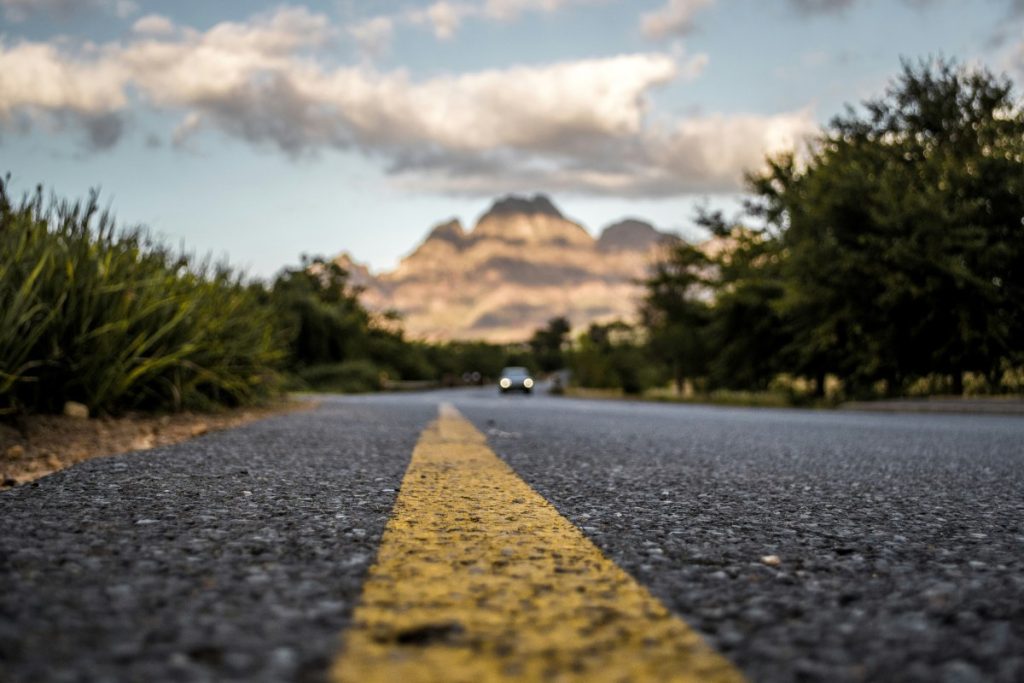
Selecting the right vehicle is the single most important decision for a successful journey through this rugged landscape. While careful driving in a standard passenger car may get you to accessible holiday spots like Cintsa or Coffee Bay, it will severely limit your ability to reach remote nature reserves and scenic viewpoints.
Remember: Even paved roads can be challenging! Always stay on the lookout for potholes.
To comfortably conquer steep gravel gradients, rocky river approaches, and rutted tracks, a high-clearance vehicle is essential. Booking a capable 4×4 hire in South Africa gives you durable suspension, all-terrain tyres, and the low-range traction needed to travel remote routes with complete confidence.
If your travel itinerary is confined strictly to major national highways and paved routes connecting large regional centres, you can select economical car hire in South Africa. However, for travellers wanting to experience the wild beauty, waterfalls, and true untamed spirit of the Eastern Cape, a rugged 4×4 bakkie or SUV remains the ultimate choice.
Ready to pack your bags and chase coastal waterfalls along the Wild Coast? Use the vehicle search tool at the top of the page to compare rates and book your rental vehicle with Drive South Africa today!
Is the Wild Coast safe for a self-drive holiday?
Yes, the region is safe, and local communities are welcoming. The primary safety factor is driving caution. Stick strictly to daytime travel, reduce your speed around village settlements, and keep a watchful eye out for roaming cattle and potholes.
Do I need a 4×4 for the Wild Coast?
While you can reach a few central hubs via paved access routes, a high-clearance SUV or 4×4 is strongly recommended for exploring the wider region. Most coastal nature reserves, waterfalls, and scenic viewpoints require driving on rough, unpaved gravel roads with severe washaways.
What’s the best time of year to visit the Wild Coast?
The dry winter and autumn months (from May to September) offer mild daytime temperatures and lower rainfall, making gravel tracks firmer and easier to navigate. Summer brings hot, humid weather and heavy afternoon thunderstorms that can quickly make dirt roads slippery.
June and July are the months of the sardine run. May to December sees humpback whales migrate along the Wild Coast.
Heading out on a self-drive adventure across Southern Africa offers unmatched freedom and thrilling game...
13 November 2026
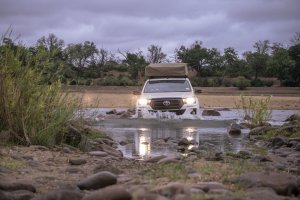
Standing at the edge of a flooded trail with your engine idling, you watch muddy...
12 October 2026
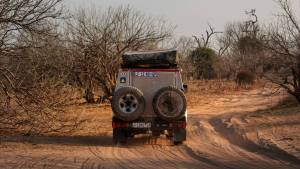
Long before sunrise, a deep, resonant rumble drifts through the darkness. It’s the rainy season,...
4 September 2026



Typically responds in under 15 minutes
