
What It’s Like to Camp in a 4x4 Across Botswana’s Wilderness
Long before sunrise, a deep, resonant rumble drifts through the darkness. It’s the rainy season,...
 4 September 2026




Searching...
South Africa in August is a country of scenic contrasts. In the north, dry landscapes make wildlife easier to spot. Along the Overberg coast southeast of Cape Town, southern right whales return to Walker Bay while the West Coast and Namaqualand burst into colour as wildflowers bloom.
If you want to travel South Africa in August, a self-drive holiday gives you the freedom to experience these seasonal highlights at your own pace. From a coastal escape to a safari adventure, August is an exciting month to explore South Africa by road.
The key to an unforgettable adventure is knowing where to go, what weather to expect, and which vehicle suits your route.
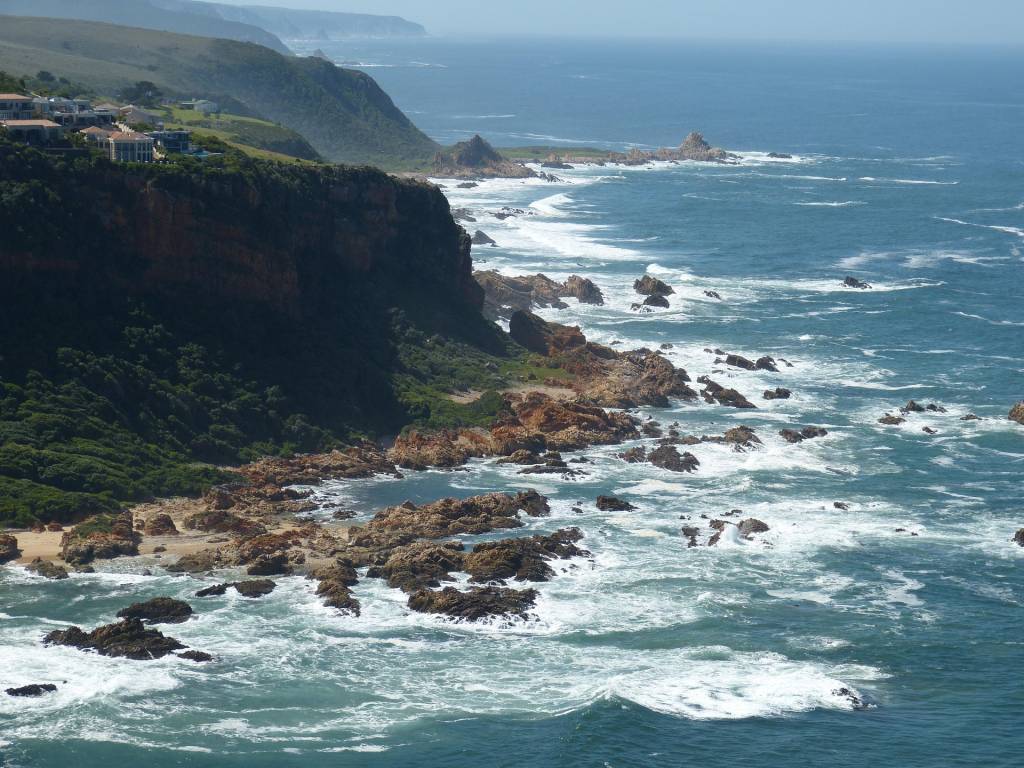
South Africa is a large country, so weather varies significantly between regions.
August falls within South Africa’s winter. In the north-east, including the Kruger region, you can expect warm, dry days, and cold nights – ideal conditions for spending long hours outdoors on game drives.
The Western Cape follows a completely different climate pattern. Cape Town experiences winter rains, so even though August marks the end of the season, cool and wet conditions are common. You should pack for changeable weather rather than expecting constant sunshine.
Along the Garden Route, you’ll encounter a milder coastal climate, though passing winter rain showers still happen. Layers and a waterproof jacket are essential things to pack.
So, how hot is South Africa in August? Northern regions often enjoy pleasantly warm afternoons, though early mornings and evenings are cold. The southern coast stays cooler, particularly when rain moves through.
For any road trip this month, pack versatile layers, comfortable walking shoes, sunscreen, and a reliable warm jacket.
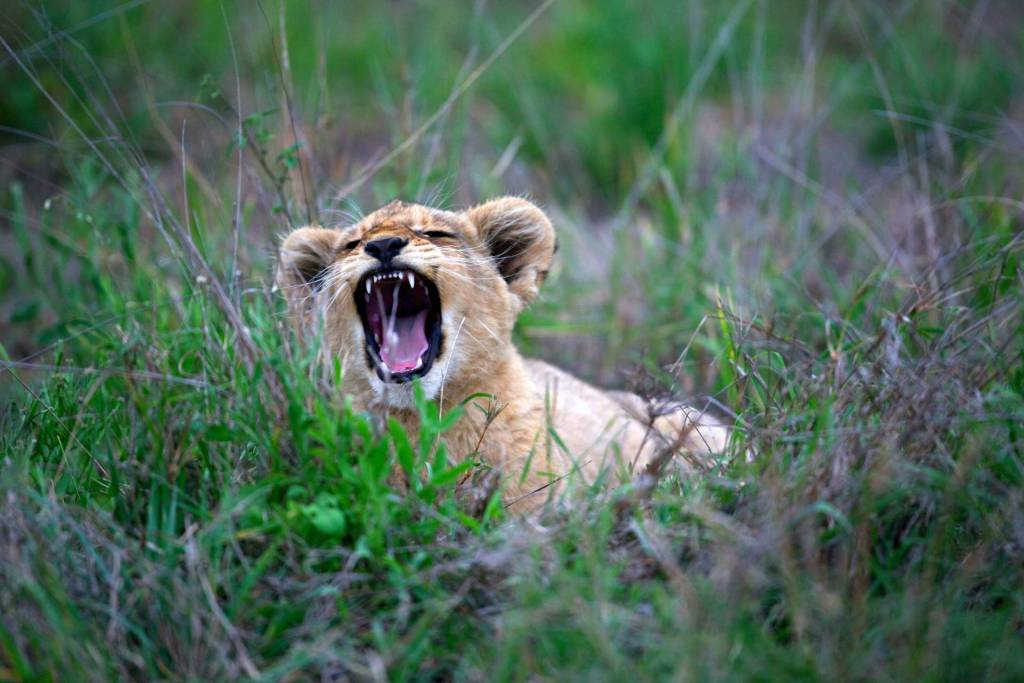
August brings a unique combination of seasonal highlights for self-drive travellers:
This rare overlap of wildlife, marine life, and blooming landscapes makes August one of the most dynamic months to explore the country.
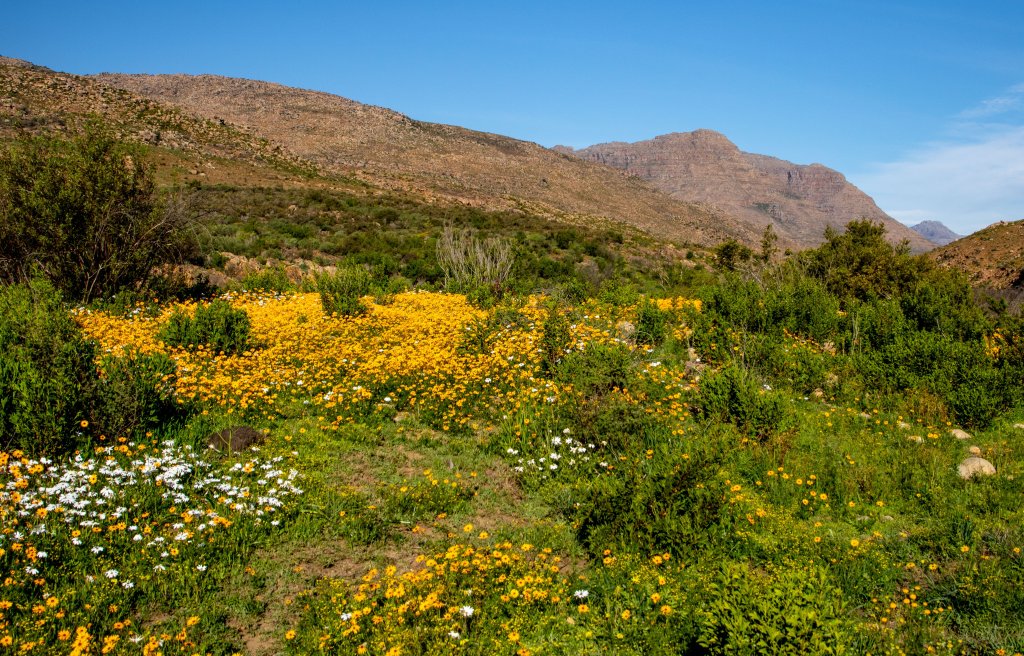
For a colourful winter road trip, start in Cape Town and head north along the West Coast towards Langebaan and West Coast National Park.
The park’s restricted Postberg section opens specifically for flower season. Keep in mind that blooms are weather-dependent: strong winter rains followed by sunny days create incredible displays.
Continue north into the heart of Namaqualand and Namaqua National Park. Famous worldwide for its spring transformation, the region offers fields of daisies and indigenous flora stretching toward the ocean. Flowers only open during the middle of the day (roughly 10:30 AM to 3:30 PM) on warm, sunny days. On overcast, rainy, or windy days, the blooms stay closed.
Tip: Drive with the sun behind you so the flower heads face directly toward you.
If you plan to venture into the remote coastal sections of Namaqua National Park, select your rental vehicle carefully. SANParks maintains designated 4×4 tracks through these rugged coastal zones.
Best vehicle: A 4×4 is essential if your itinerary includes remote coastal tracks or unpaved secondary roads. For sticking to paved highways and accessible park routes, a standard SUV offers plenty of comfort.
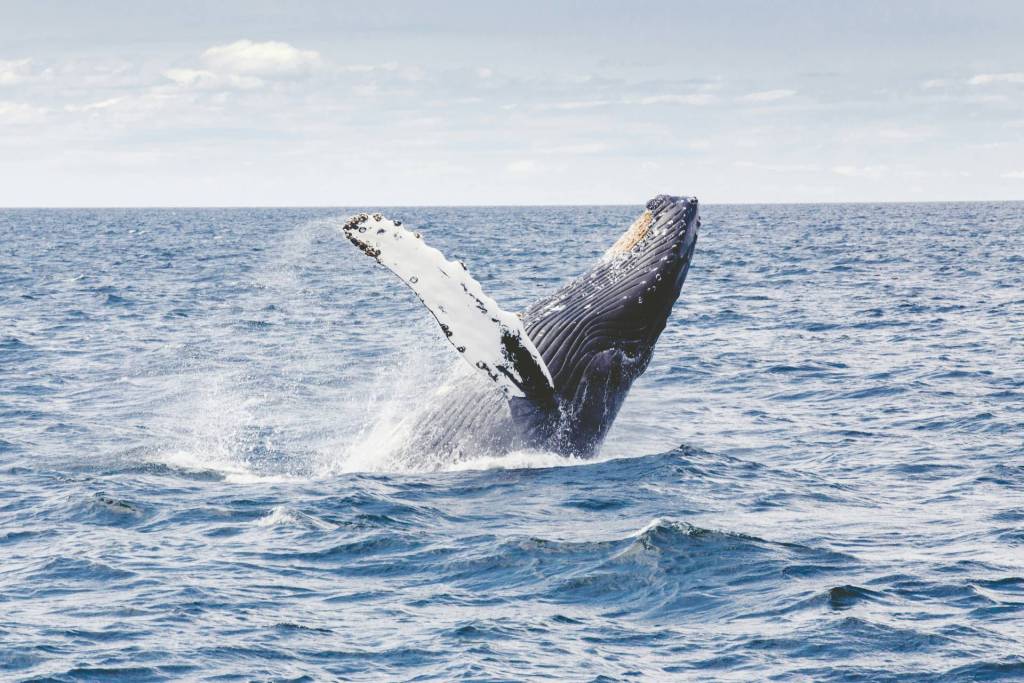
If coastal scenery and marine life are high on your list, head southeast from Cape Town toward Hermanus before joining the Garden Route.
Note: If you’re planning to see both wildflowers and whales, keep in mind these routes run in opposite directions from Cape Town – the West Coast heads north, while Hermanus and the Garden Route head east.
Hermanus is widely regarded as one of the best whale-watching destinations in the world. Walker Bay serves as a safe nursery for mothers and calves throughout August, though total whale numbers naturally fluctuate day to day.
From Hermanus, continue along the coast toward Mossel Bay, George, Knysna, and Plettenberg Bay. This classic southern road trip takes you through the Overberg and Garden Route, winding past native forests, coastal lagoons, and dramatic mountain passes.
Best vehicle: An SUV is a practical choice for this route, offering extra luggage space and elevated visibility on long drives. Larger families may prefer a seven-seater SUV, while travellers looking for maximum flexibility can opt for a campervan.
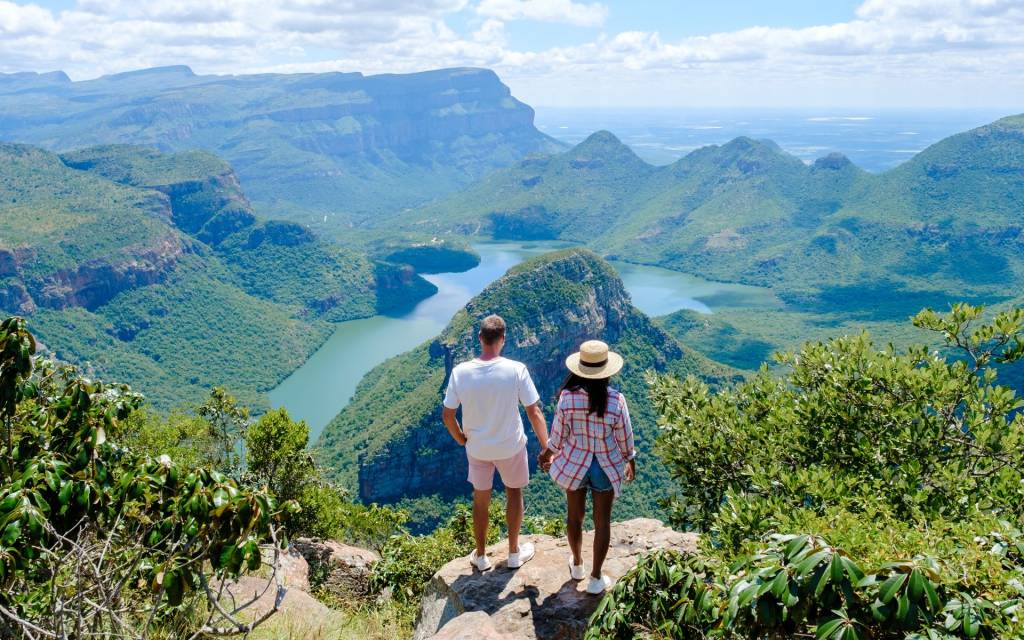
For classic safari country, head east from Johannesburg toward Mpumalanga and the greater Kruger area.
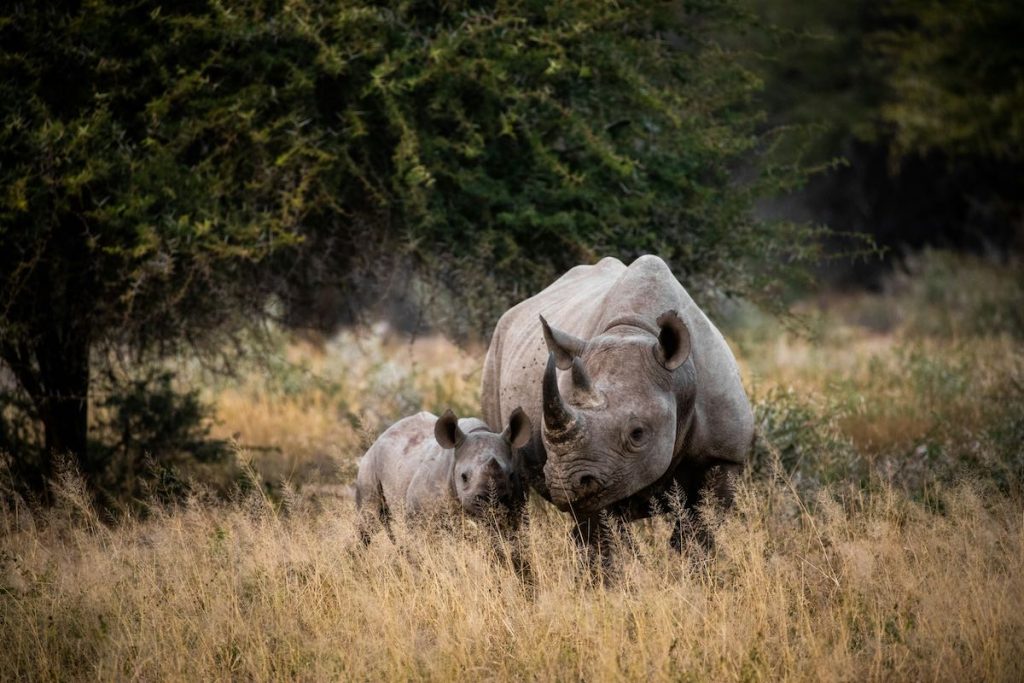
August is peak safari season in Kruger. Because animals are active around remaining water sources and easy to spot through the open bush, self-drive game drives are exceptionally rewarding. Just remember that open-vehicle game drives in the early mornings and late afternoons get crisp, so warm layers are a must.
Before or after your safari, explore the scenic Panorama Route. Winding through Mpumalanga’s high altitude, this route features breathtaking mountain vistas and landmarks around the Blyde River Canyon, including the famous Three Rondavels and Bourke’s Luck Potholes.
Best vehicle: While a sedan is fine for the tarred roads, an SUV provides ideal ground clearance for gravel park roads and standard national park drives. If you plan to head farther off the beaten track, a 4×4 offers greater capability.
Remember: Wildflowers, whales, and wildlife behaviour are tied to natural conditions. Check local bloom reports and sighting updates just before setting off.
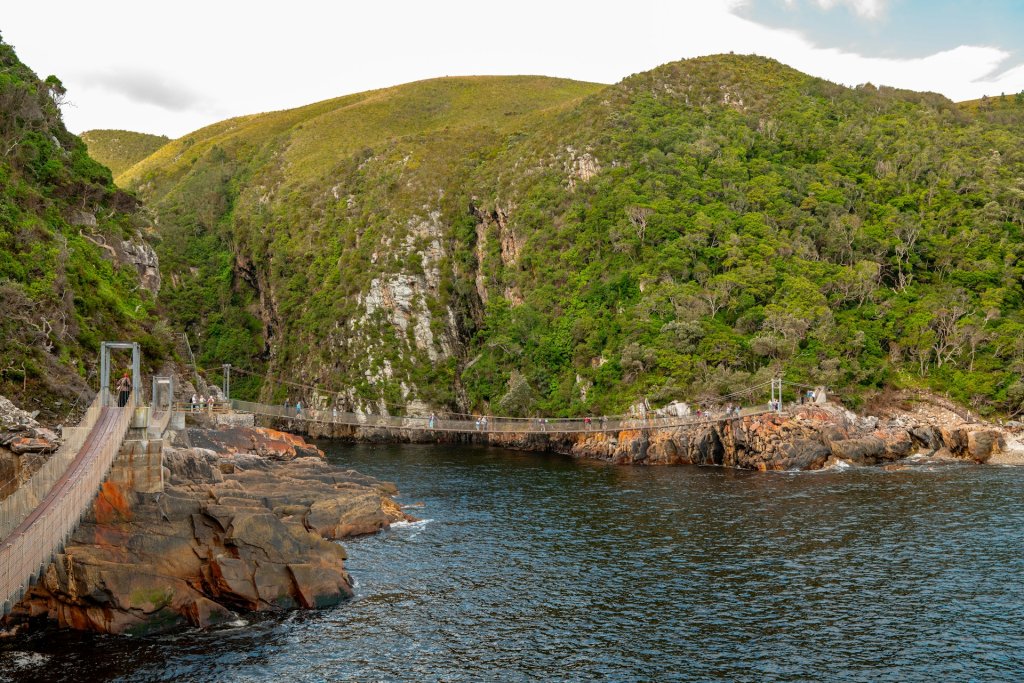
South Africa in August offers an incredible blend of landscapes and experiences. You can start your self-drive journey among wildflowers on the West Coast, track whales along the southern shoreline, and end your trip with world-class winter game viewing in the north.
Drive South Africa offers a broad fleet of SUVs, 4x4s, and campers tailored to every road-trip style.
Ready to hit the road? Enquire now with Drive South Africa to start planning your end-of-winter journey.
Long before sunrise, a deep, resonant rumble drifts through the darkness. It’s the rainy season,...
4 September 2026

A Botswana green season safari offers one of Southern Africa’s most sensational wilderness transformations. Between...
1 September 2026
The type of 4×4 safari self-drive vehicle you choose has a massive impact on your...
14 August 2026



Typically responds in under 15 minutes