


Searching...
Drunk driving in South Africa is a serious offence, with potentially life-changing consequences for drivers, passengers, and other road users. The consequences of driving under the influence can include arrest, a criminal record, fines, imprisonment, and, most tragically, serious injury or death.
Drive South Africa vehemently opposes drunk driving in any form. There’s absolutely no excuse! So, are you familiar with the drunk driving laws South Africa currently has in place? Do you know when you are beyond the limit? And if you’re hiring a car, do you know what happens to your rental cover if you drive after drinking?
Let’s take a closer look at how we can keep ourselves – and others – safe on our roads.
Alcohol is a toxic and psychoactive substance that causes intoxication (drunkenness) in human beings. At low doses, it causes mild sedation and reduced social inhibition, but also impaired judgement and coordination. If you drink more, it affects everything from your emotional state to your speech and motor skills.
South Africa is the sixth-highest per capita consumer of alcohol in the world. Each year, we experience thousands of road fatalities, many as a consequence of irresponsible motorists driving under the influence of alcohol. Furthermore, many of these occur during periods like the festive season.
According to Genesis Medical Scheme, in South Africa, around 50% of people who die on the roads have a blood alcohol concentration that exceeds the legal limit. That tells you all you need to know…
SAPS continues to take a zero-tolerance approach to drinking and driving, with roadblocks and enforcement operations targeting drivers under the influence.

So, what is the current South African alcohol limit?
As of 2026, the legal drinking and driving limit for an ordinary driver is 0.05 g of alcohol per 100ml of blood, or 0.24 mg per 1,000 ml of breath. This equates to (very) roughly one to two drinks. However, the effects of alcohol vary depending on your weight, metabolism, and other factors.
There’s no reliable number of drinks you can consume and still know that you are under the legal limit. This means that trying to calculate a personal drink-and-drive limit is risky.
Ultimately, it’s simply not worth taking the risk of drinking any amount of alcohol if you plan to drive. The safest approach under South Africa’s alcohol laws is simple: if you’re drinking, don’t drive.
There have been proposals to introduce a zero-alcohol limit for all drivers, but these have not replaced the current legal limits.
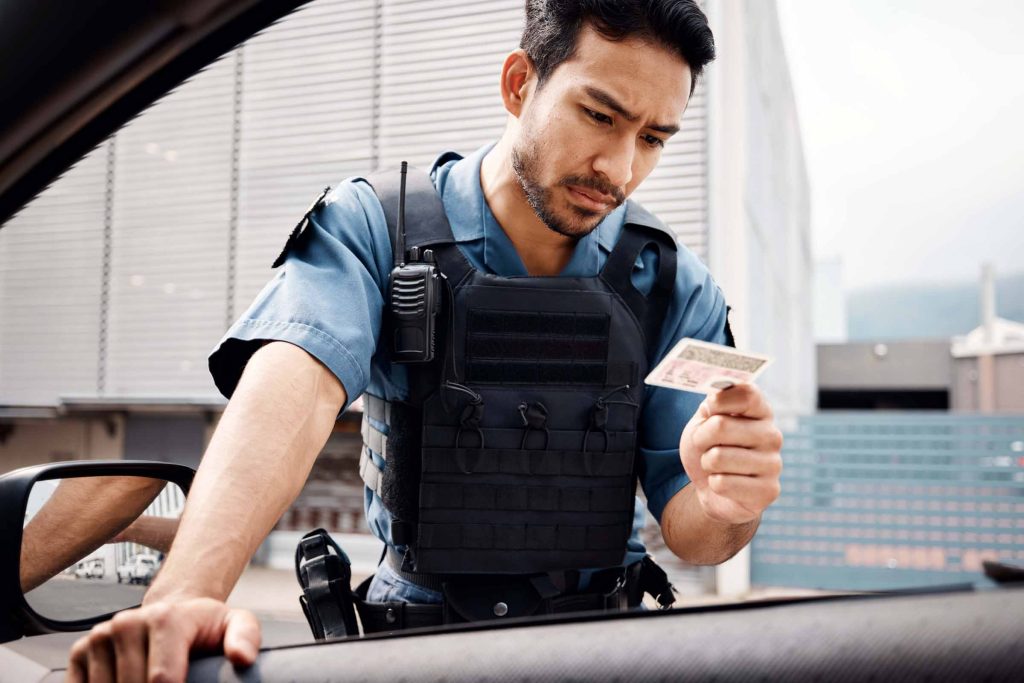
Any person driving on South African roads should be familiar with the local drunk driving laws in South Africa. Here’s a summary of the laws of the National Road Traffic Act 93 of 1996:

If you do get asked to submit a breathalyser or blood test, here’s what you need to know:
It is unlawful to refuse that a specimen of blood or of breath be taken.

If you’re found guilty of drunk driving in South Africa, you could face up to six years in jail. You could also be liable for hefty fines, and your driver’s licence will be suspended.
You will also have a criminal record that can have serious ramifications for the rest of your life. Of course, the worst-case scenario is that you could kill someone else on the road, your loved ones, or yourself.
If you’re hiring a vehicle through Drive South Africa, drinking and driving can also have serious financial consequences. Drive South Africa’s rental information states that driving under the influence of alcohol or drugs can invalidate the applicable insurance waiver/cover, leaving the renter fully liable for damage to the rental vehicle or third-party property. Breaching traffic laws or the rental agreement can have the same effect.
In other words, don’t assume that your rental insurance will protect you if you drive after drinking. Always check the specific supplier’s rental terms and conditions before collecting your vehicle.

Plan your journey before your first drink. Use a taxi or ride-hailing service, arrange a designated driver, or ask a member of your group not to drink so that they can be the designated driver.
SAPS also recommends arranging alternative transport in advance rather than taking a chance after drinking.
Please – don’t engage in drunk driving in South Africa. Drive responsibly on our roads.



Typically responds in under 15 minutes