


Searching...
Renowned as the crown jewel of African wildlife conservation, Botswana offers an unmatchable wilderness for off-road explorers. Taking on a 4×4 Botswana self-drive safari gives you complete freedom to navigate vast, untamed landscapes at your own pace.
Whether you’re planning a 4×4 Botswana self-drive safari through lush floodplains or tackling desert tracks, having a well-equipped vehicle is essential for a safe, memorable trip.
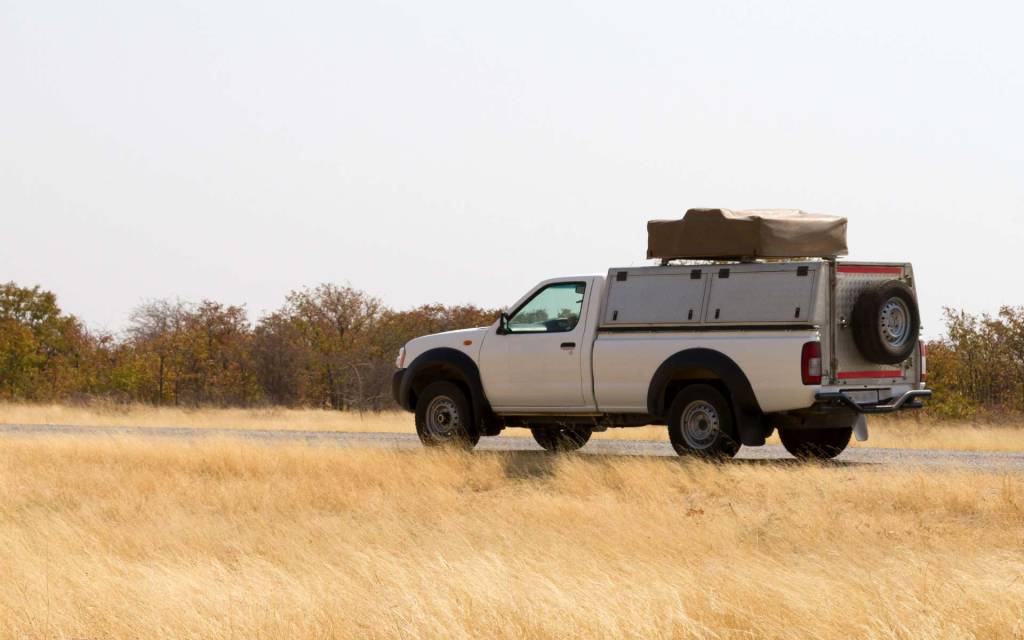
From the waterlogged channels of the Okavango Delta to the dry expanses of the Kalahari, navigating this country requires proper preparation and low-range four-wheel drive capability. Setting off from major regional hubs like Maun or Kasane allows you to pick up your vehicle and hit the trail with ease.
Here is Drive South Africa’s updated guide to the top five 4×4 Botswana safari hotspots, featuring insider route advice, interactive map routes, and essential off-grid driving tips.
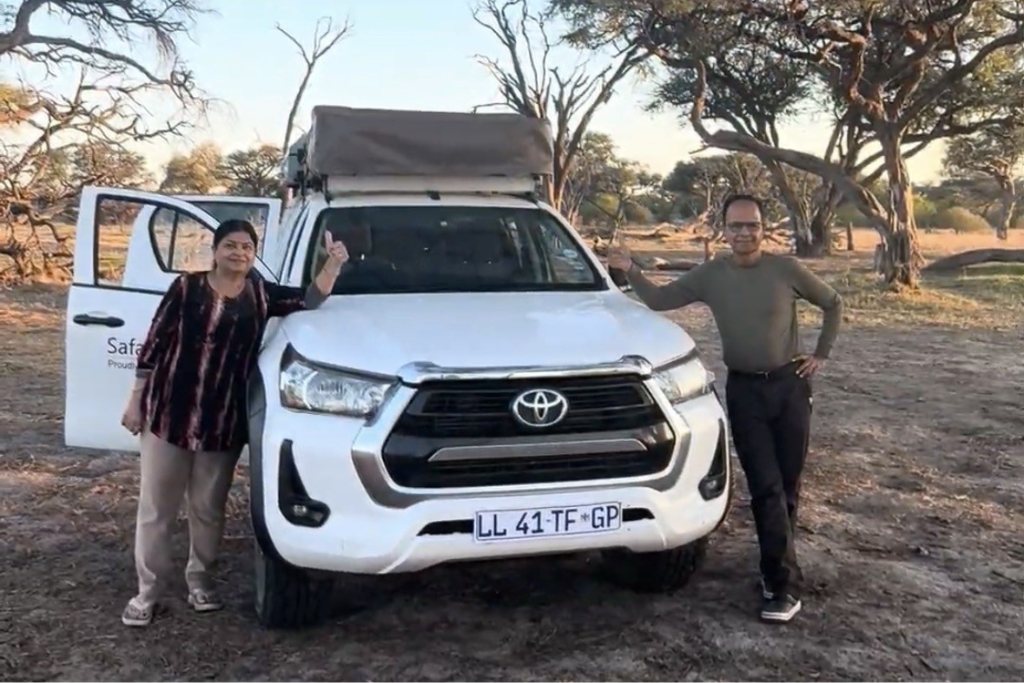
If you’re gearing up for an expedition, explore options for 4×4 hire in Botswana with Drive South Africa to find the ideal vehicle for your travel needs.
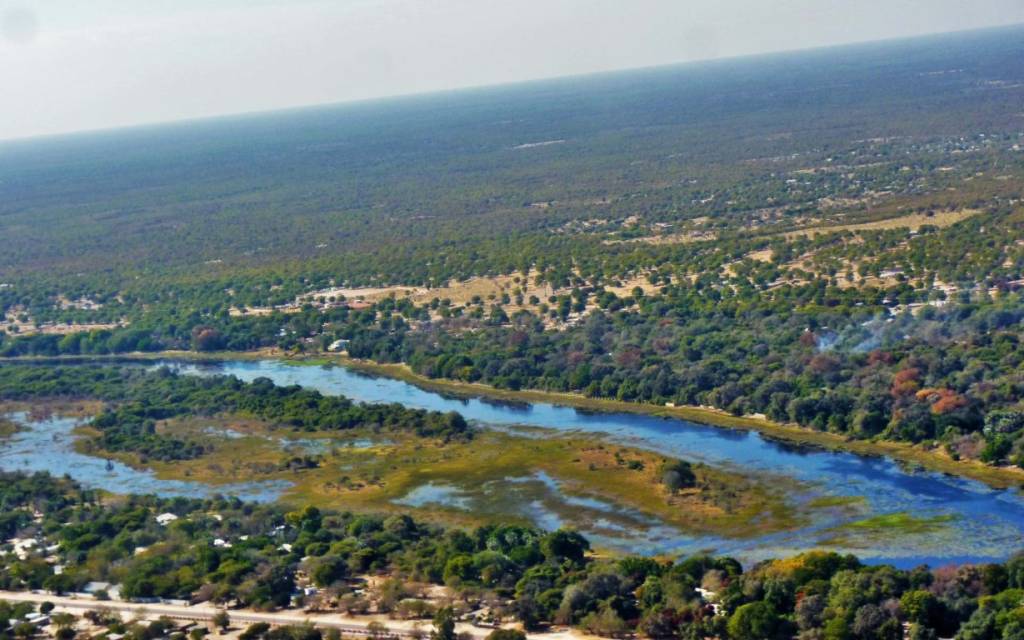
The Okavango Delta is the largest inland delta in the world, forming a green oasis packed with wildlife in the middle of the Kalahari Desert. Spanning over 15,000 square kilometres, this UNESCO World Heritage Site is home to vast herds of elephants, hippos, and rare wetland antelopes. While deep channels are navigated by water, a 4×4 allows you to explore the dry land fringes, seasonal floodplains, and concession boundaries surrounding the Delta.
Maun serves as the principal gateway for Botswana 4×4 self-drive expeditions heading into the Delta region. Taking the road north from Maun leads toward South Gate – the entrance to Moremi Game Reserve, which covers the Delta’s eastern tongue – and the Khwai River floodplains. From fringe lodges and poling stations along these routes, you can temporarily trade four wheels for a mokoro (a traditional dug-out canoe) to glide silently through lily-covered lagoons.
Insider Tip: Stock up on food, drinking water, and extra fuel in Maun before heading into the park networks, as there are no filling stations or grocery shops once you pass through the veterinary fences.
Important to Note: You can’t transport raw meat, fresh dairy, or unpasteurised products from North to South to control foot-and-mouth disease.
Located on the eastern side of the Okavango Delta, Moremi Game Reserve covers nearly 5,000 square kilometres of mopane woodland, floodplains, and lagoons. It’s widely regarded as one of the finest wildlife viewing reserves in Africa.
Moremi offers spectacular encounters with big game like elephants and buffaloes, including frequent sightings of lions, leopards, and endangered African wild dogs.
Navigating Moremi requires a high-clearance vehicle equipped with low-range four-wheel drive. The tracks connecting South Gate, Third Bridge, Xakanaxa, and the Khwai River feature deep sand rutting, rustic wooden pole bridges, and seasonal water crossings.
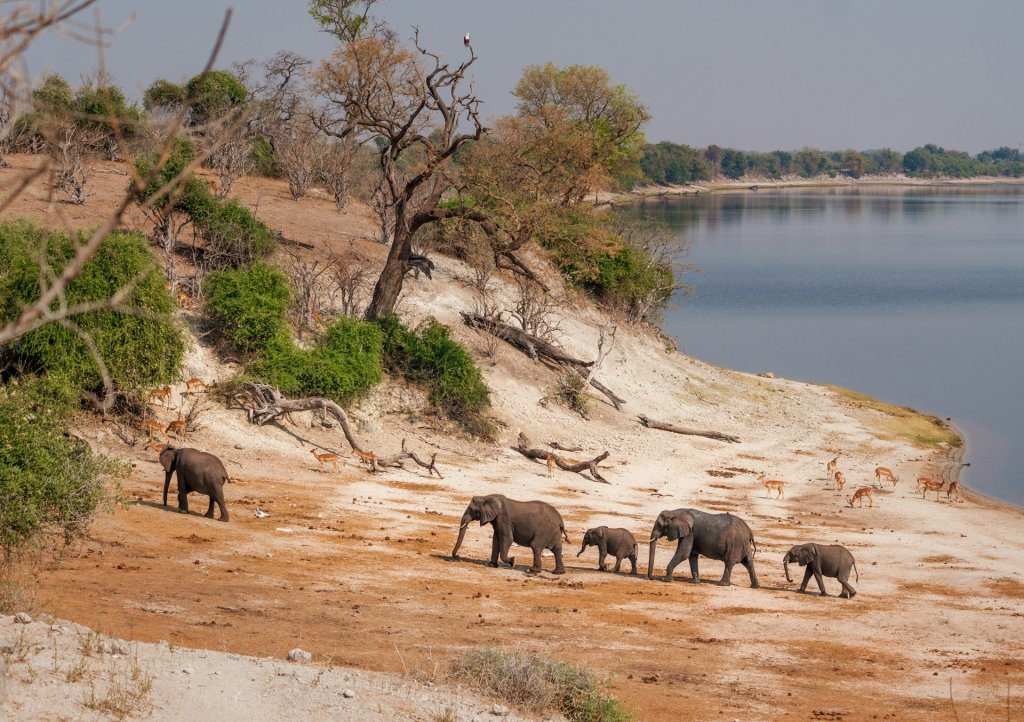
Chobe National Park is world-famous for supporting the largest single elephant population in Africa. Driving through the park’s riverfront sector provides constant wildlife action set against the sweeping views of the Chobe River.
Kasane serves as the main northern hub for Drive South Africa travellers. You can collect your vehicle directly in Kasane and reach Sedudu Gate into Chobe National Park within minutes.
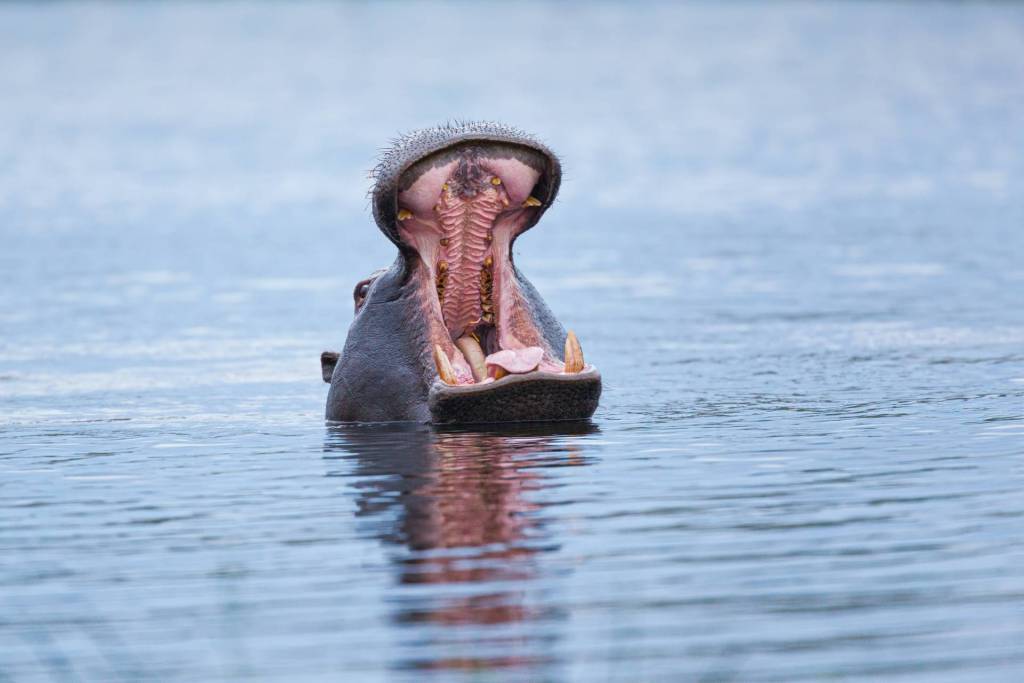
Taking a Botswana 4×4 safari along the Chobe Riverfront gives you front-row seats to elephant herds crossing the water, pods of hippos, and buffalo herds grazing along the floodplains. In the late afternoon, step out of the driver’s seat and join a sunset river cruise to capture incredible photographs from the water.
Transit Note: If you’re driving south from Chobe toward Moremi via the Savuti Channel, prepare for extremely challenging sand tracks. Ensure your vehicle includes a dual-battery system to run your fridge, extra fuel cans, and recovery boards.
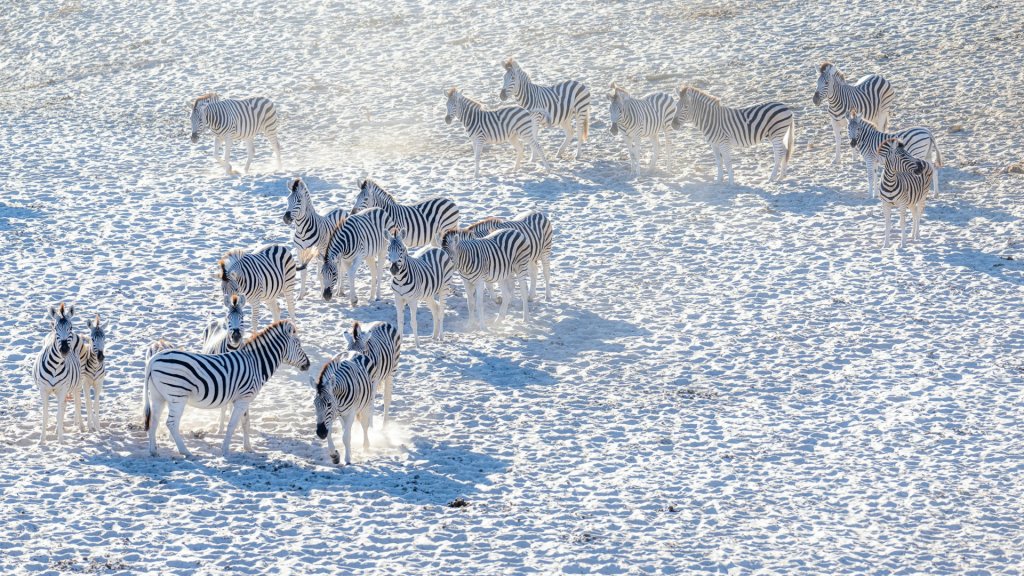
The surreal, blindingly white salt flats of the Makgadikgadi and Nxai Pans National Park offer a striking landscape contrast to the northern wetlands. Spanning over 23,000 square kilometres, these vast salt pans represent the dried-up remains of an ancient inland lake.
During the dry winter months, the pan surface bakes hard, offering endless horizons and magnificent stargazing. When the summer rains arrive, the area transforms, attracting thousands of zebras and flamingos during their annual migration.
However, driving on salt pans requires caution:
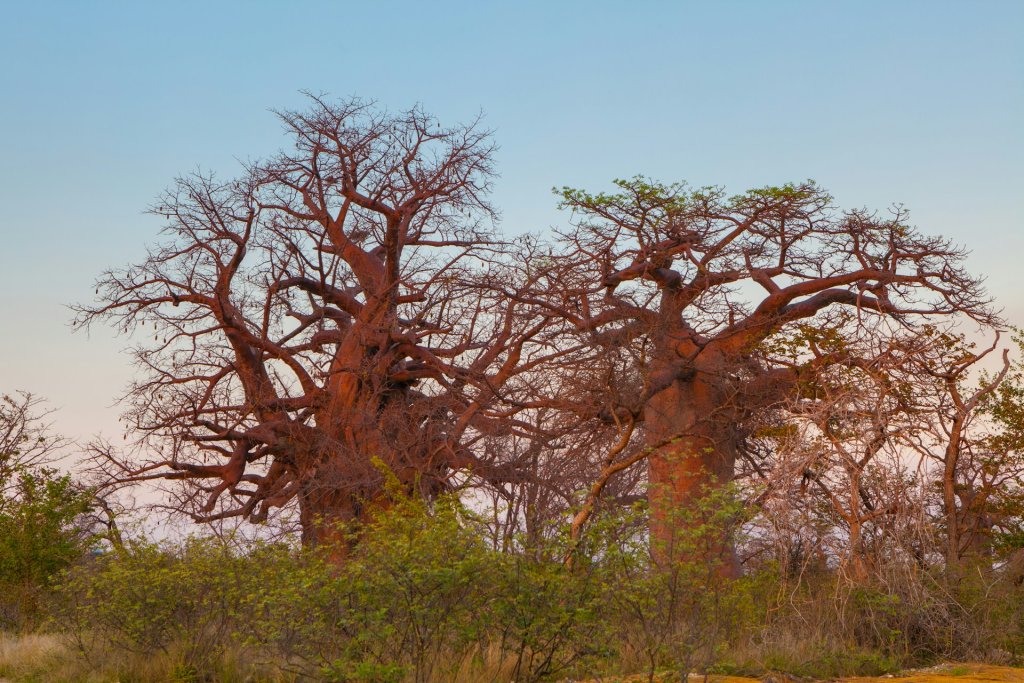
While visiting Nxai Pan, make a point to visit Baines’ Baobabs. This cluster of giant, millennia-old baobab trees sits on the edge of the salt pan, offering one of the most iconic landscape views in Southern Africa.
For official updates on park entry regulations and conservation guidelines, consult the official Botswana Tourism Organisation resource page.
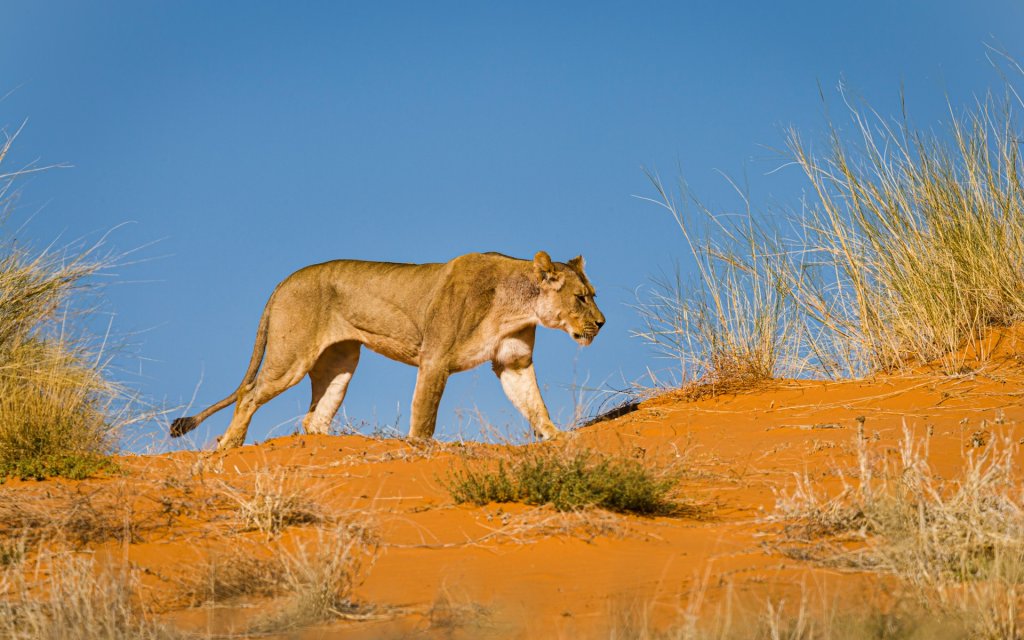
Extending across the border between Botswana and South Africa, the Kgalagadi Transfrontier Park is a vast desert wilderness of sweeping red sand dunes and dry riverbeds.
Known locally as the “Land of Thirst”, the Kgalagadi provides prime terrain for an adventurous Botswana self-drive 4×4 trip. Sand tracks weave along the dry Nossob and Auob riverbeds, where wildlife gathers around scattered waterholes.
Here, you can spot adapted wildlife, including gemsbok, springbok, meerkats, and the famous black-maned Kalahari lions. High-clearance vehicles with low-range options are essential for tackling the deep dune sand tracks between Two Rivers and Polentswa.
Note for cross-border travellers: If you enter Kgalagadi from South Africa and intend to exit into Botswana, park regulations require a minimum stay of two consecutive nights inside the park.
Completing a successful Botswana 4×4 camping itinerary requires careful preparation. Because vast regions of Botswana lack cellular coverage, relying on standard online smartphone navigation apps will leave you stranded.
Before setting off, download dedicated offline mapping tools like Tracks4Africa onto your GPS unit or tablet. These maps provide accurate driving times, track conditions, water points, and gate coordinates throughout remote areas.
You might also find it useful to consult our Botswana Border Crossings Guide before you head out on your 4×4 Botswana adventure.
When traversing isolated stretches like Savuti, the Mababe Depression, or the Kgalagadi wilderness trails, carry a satellite messenger device or satellite phone. Having a direct line for roadside assistance provides peace of mind when operating far from main roads.
Wild camping outside designated sites is illegal within Botswana’s national parks and game reserves. Ensure you secure your Department of Wildlife and National Parks (DWNP) entry permits and private campsite vouchers well in advance of your travel dates.
Campsites in Moremi, Savuti, and Chobe sell out six to 12 months in advance. Driving to a park gate expecting to pay and enter on the day without pre-booking camping will result in being turned away at the gate.
Always check that your vehicle hire package includes essential recovery equipment:
A self-drive safari through Botswana offers an extraordinary way to experience Southern Africa’s untamed wilderness. With the right vehicle, proper route preparation, and quality equipment, you can navigate rivers, salt pans, and deserts with total confidence.
Ready to start planning your journey? Explore our full range of fully equipped 4×4 vehicle rental options or get in touch with the expert team at Drive South Africa today.



Typically responds in under 15 minutes