

How to Approach Deep Water Crossings in a 4x4
Standing at the edge of a flooded trail with your engine idling, you watch muddy...
 12 October 2026





Searching...
Heading out on a self-drive adventure across Southern Africa offers unmatched freedom and thrilling game viewing. There is nothing better than traversing Kruger National Park or exploring the desert plains of Etosha, and knowing the right self-drive safari tips ensures you experience the best wildlife encounters while keeping yourself and the animals protected.
A successful self-drive journey comes down to respect, caution, and patience. The wilderness is an unpredictable habitat where animals always have the right of way. Here is our complete guide to wildlife driving etiquette, park regulations, and vehicle safety.
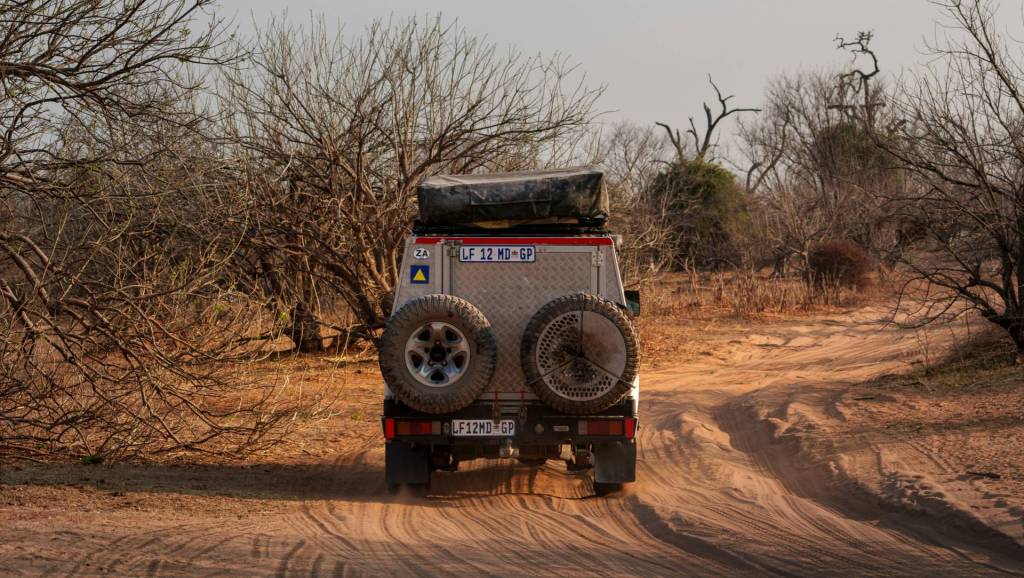
Driving in a game reserve is vastly different from cruising on public roads. The bush requires heightened awareness, lower speeds, and steady anticipation.
Speed limits in national parks exist for clear conservation reasons. In South African national parks like Kruger, the maximum speed is 50 km/h on tar roads and 40 km/h on gravel tracks.
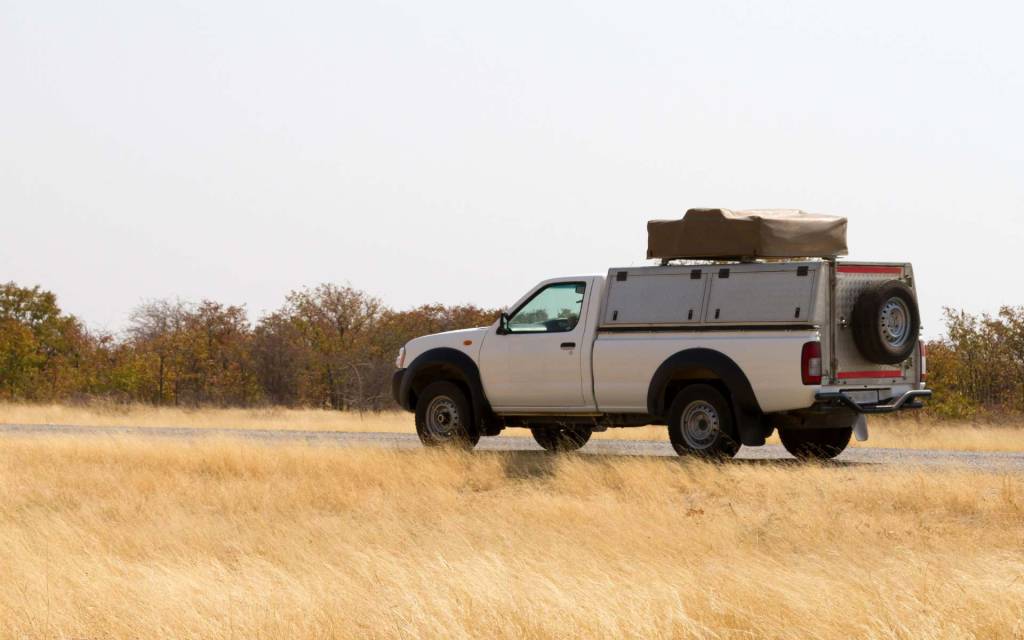
There are driving rules to follow in national parks across Southern Africa, such as the strict ban on off-road driving. This is to protect the fragile ecosystems of the bush and keep wildlife safe. Vehicle tyres compress the earth, crush native plants, snap tree roots, and create deep ruts in the ground. When rain falls on these areas, these ruts turn into drainage gullies that strip away topsoil and scar the landscape for years. Driving too close to animals may also disrupt their natural feeding, resting, and migration patterns.
Besides the destructive impact of off-roading, venturing into unmaintained terrain may also increase the chance of vehicle breakdowns, rollovers, or getting stranded in remote areas. Sticking to designated roads ensures that all visitors have an equal, controlled chance to view wildlife without turning sightings into a chaotic free-for-all.
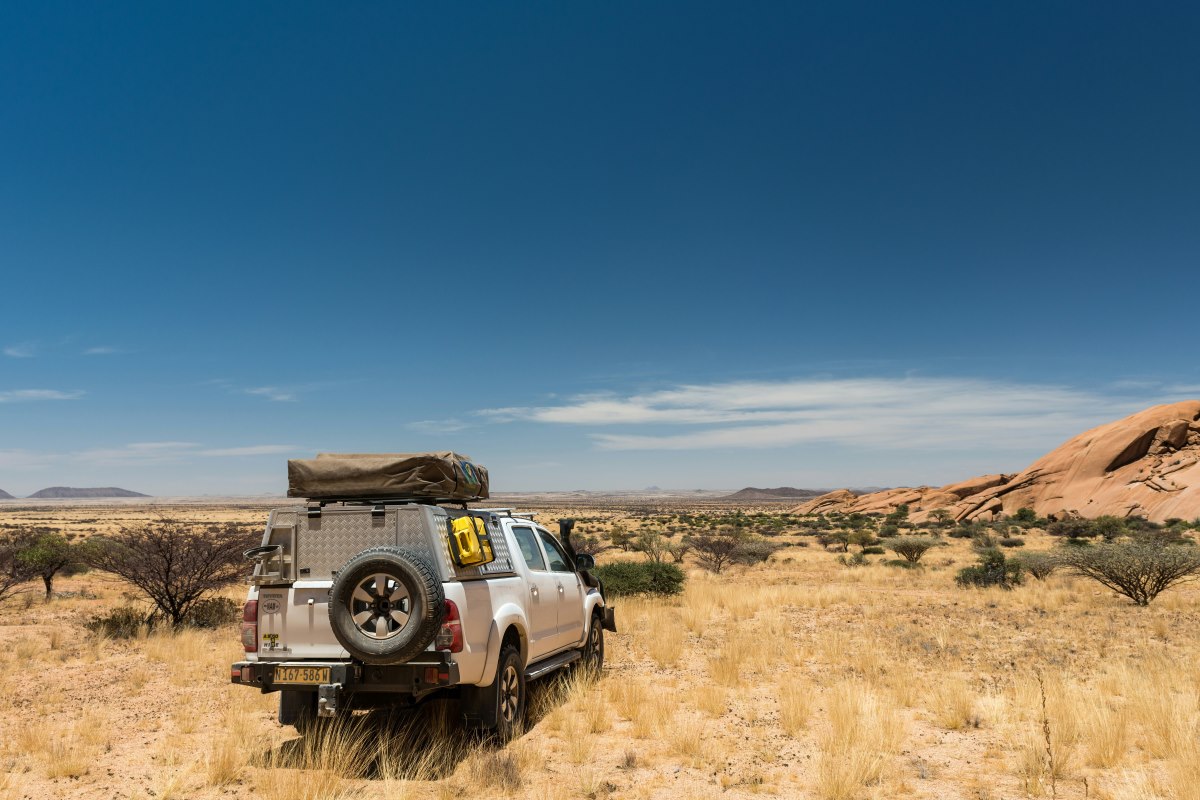
Unless you’re inside a picnic site, hide, or rest camp, stepping outside your vehicle is prohibited. Wild animals generally perceive an enclosed car as a single, neutral object. Once a human head, arm, or torso breaks that vehicle silhouette, predators could recognise you as prey, and large herbivores may see you as an immediate threat.
If you’d like to take a break from the drive, make use of the designated get-out points, picnic spots, or rest camps. And, even at these get-out spots, remain vigilant, as these places are unfenced.
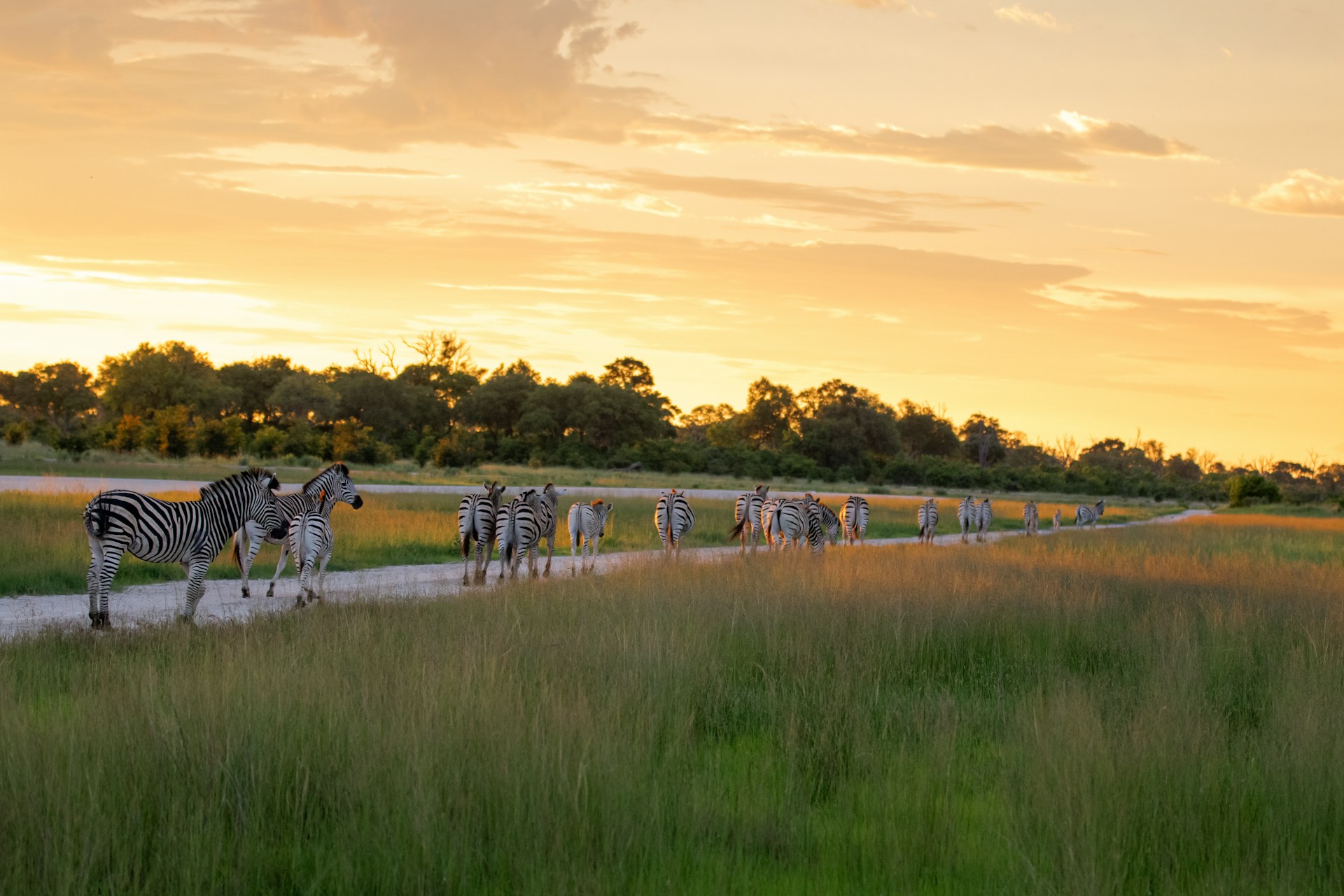
Spotting a pride of lions, a solitary leopard, or a herd of buffalo is an exhilarating highlight of any safari. However, large sightings can turn chaotic without proper courtesy.
A sighting can attract dozens of vehicles within minutes, making lane etiquette crucial for everyone’s enjoyment. Always pull off to the side of the road nearest the animal without blocking the flow of traffic. Other visitors or park rangers must be able to pass through safely.
Remember, the animals always have the right of way. Always let them cross, walk, or rest without honking, revving your engine, or pressuring them to move. Keep about 20 m to 30 m away from them. If it’s a large animal, such as an elephant or rhino, give them even more space.

Wild animals have acute senses of hearing that pick up high-frequency noise from great distances. Excessive noise disrupts animals, ruins the experience for others, and can actively put your safety at risk.
You need your ears as much as your eyes. Staying quiet allows you to hear what’s happening around you – like an elephant’s low rumble, a monkey’s alarm call, or a predator moving through the grass – giving you a heads-up on nearby wildlife. Loud, sudden noises can startle large animals, like elephants, which might prompt them to charge your vehicle.
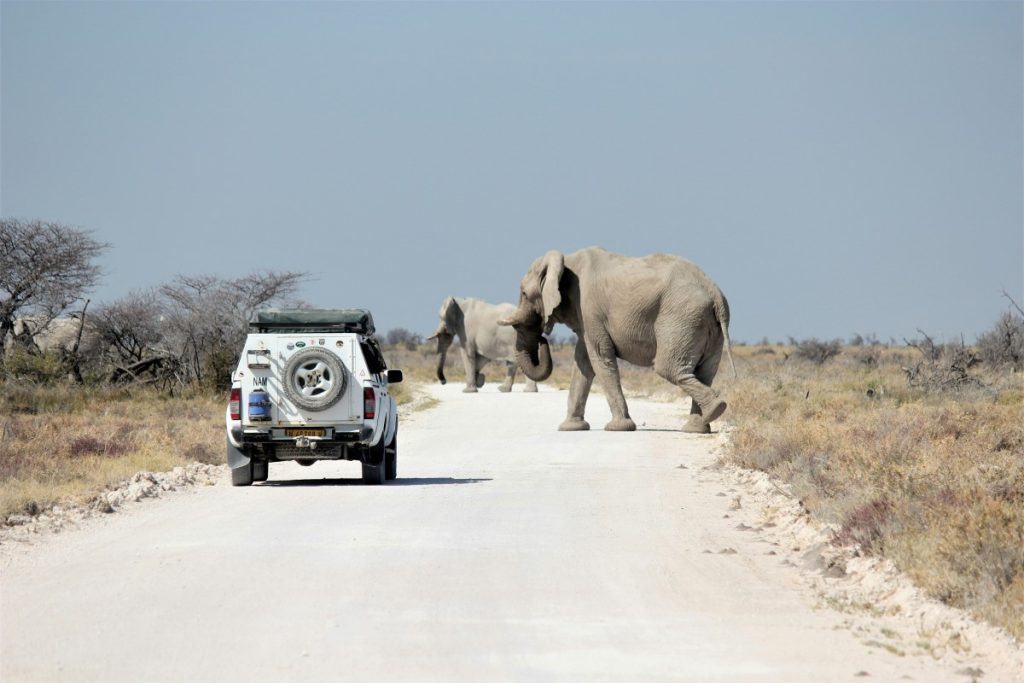
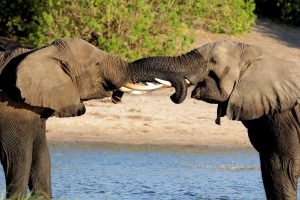
Elephants are massive, extremely intelligent, and generally peaceful animals. But they can become aggressive if they feel threatened or overcrowded. Behaviour may also differ between breeding herds and solitary males.
Breeding herds are led by an older, experienced matriarch and consist of females, teenagers, and vulnerable calves. Their primary focus is always the protection of their young.
If you encounter them at a safe distance (50 m to 100 m), turn off your engine and keep your voices to a whisper. Sudden noises can startle calves and provoke a defensive response from older females.
Pay close attention to the matriarch; she will dictate the herd’s reaction to your vehicle. If she turns to face you, fans her ears wide, or shakes her head, she is warning you to back off.
You might also encounter groups of bachelor male elephants or the occasional solitary bull. While beautiful, bulls occasionally enter a state called “musth” – a period of surging testosterone that makes them highly aggressive and unpredictable. A bull in musth will constantly drip urine, walk with a swagger, and display dark, tar-like secretions streaming from the temporal glands on the sides of his head. If you notice these signs, it’s best to back away slowly.
Whether viewing a bull or a herd, always ensure you have a clear escape route. Never pull up too closely behind another vehicle, as you may need to reverse quickly if an elephant decides to approach.
Important: If an elephant is close, approaching your vehicle, or you’re in a tight spot, keep your engine idling in case you need to start driving away.
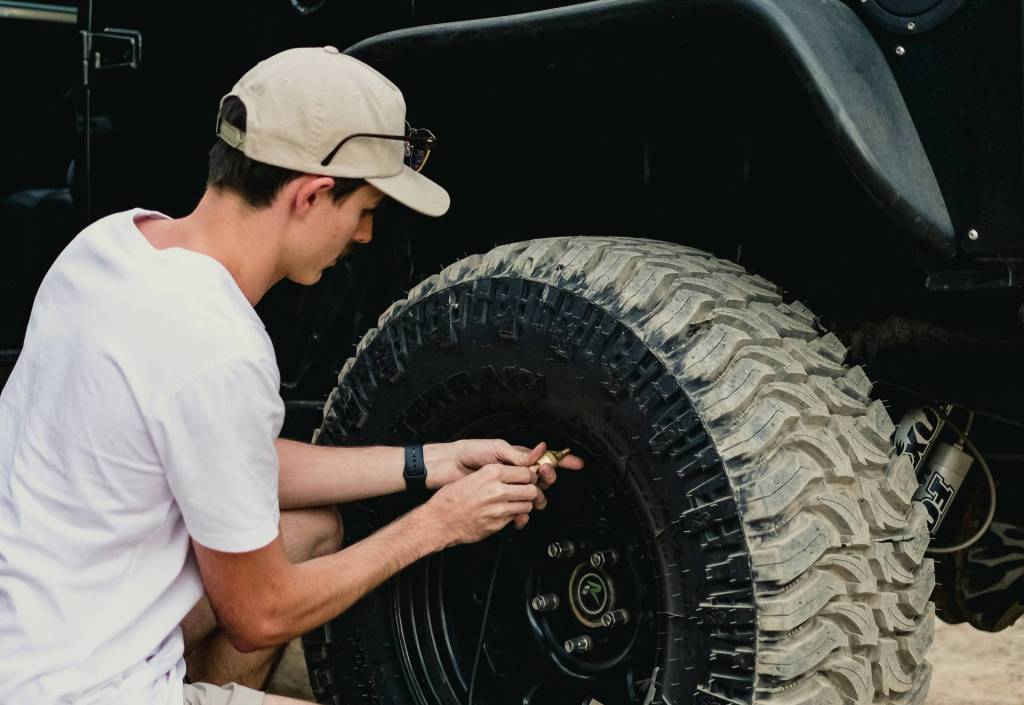
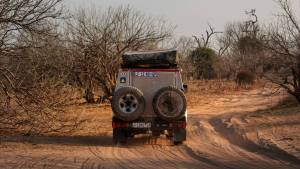
Having the proper vehicle setup ensures you tackle gravel roads, sandy tracks, and steep riverbeds with complete confidence.
| Consideration | Recommendation | Why It Matters |
| Vehicle Selection | Rugged 4×4 or high-clearance SUV | Provides superior visibility over roadside brush and handles unpaved gravel routes. |
| Tyre Pressures | Deflate to 1.8–2.0 bar for gravel; 1.2–1.5 bar for soft sand | Improves surface traction, reduces internal vehicle vibration, and cushions ride comfort. |
| Fuel Levels | Top up at every major rest camp | Distances between rest camps can be long, and game tracking leads to slower, fuel-heavy driving. |
| Gate Closing Times | Plan routes with a 45-minute buffer. | Gates close promptly at sunset; severe fines apply for arriving late at rest camps or exits. Check the closing time on your entry permit. |
A 4×4 self-drive safari gives you the flexibility to explore the world’s greatest wildlife sanctuaries on your own schedule. By following these practical safety guidelines and respecting the animals that call these parks home, you guarantee a memorable, low-stress road trip.
Ready to experience Southern Africa’s incredible game reserves? Discover our wide selection of 4×4 hire options in South Africa, fully equipped campervans, and reliable rental cars today. Plan your ultimate bush escape with Drive South Africa and set out with complete peace of mind.
Standing at the edge of a flooded trail with your engine idling, you watch muddy...
12 October 2026
Long before sunrise, a deep, resonant rumble drifts through the darkness. It’s the rainy season,...
4 September 2026
A Botswana green season safari offers one of Southern Africa’s most sensational wilderness transformations. Between...
1 September 2026



Typically responds in under 15 minutes
