



Searching...
Cape Town has found its way on many “best” lists. From its restaurants and food culture gaining traction among the world’s top destinations to its natural beauty being the subject of many viral Instagram posts, this South African city has become a bucket list trip for many.
Beyond the fine dining restaurants, sunset spots, and blue flag beaches, there are so many interesting facts about Cape Town that have catapulted this city into the must-visit destination it is today.

When you Google Cape Town, chances are an image of Table Mountain is going to come up. While being an incredibly photogenic backdrop, this world-famous formation is also one of the oldest mountains on the planet.
Geologists estimate the mountain to be over 260 million years old, making it significantly older than the Andes, the Alps, and the Himalayas. Recognised globally for its biodiversity and geological heritage, it was officially named one of the New7Wonders of Nature, standing alongside icons like the Amazon Rainforest and Ha Long Bay in Vietnam.
You can reach the flat-topped summit by hiking one of its many scenic trails or by taking the rotating aerial cable car for 360-degree views of the Atlantic Ocean.
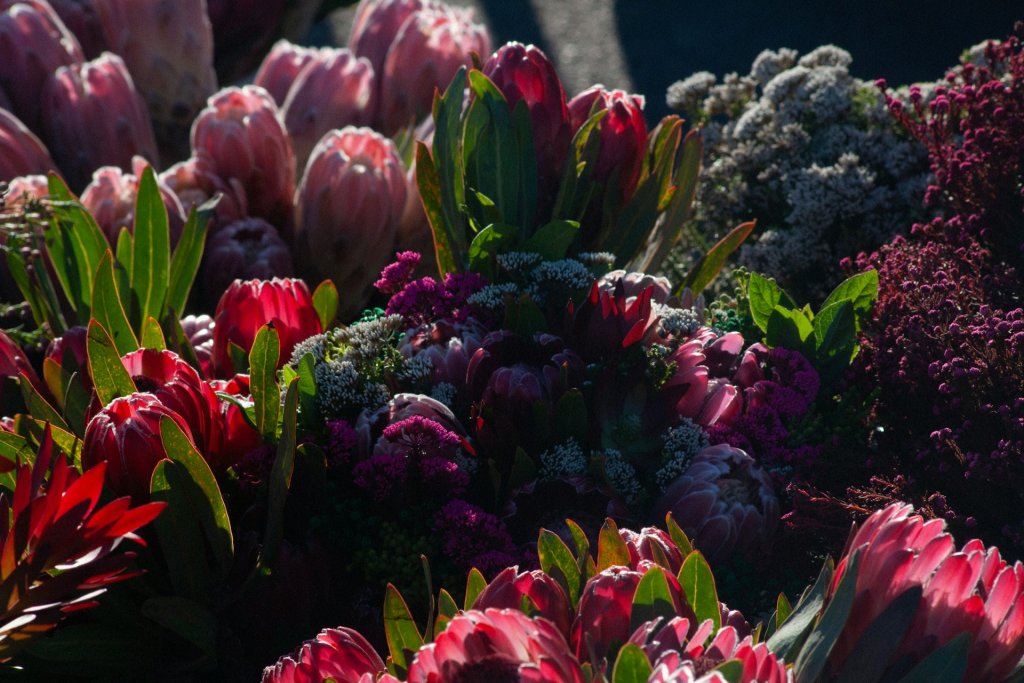
Cape Town sits within the Cape Floral Kingdom, the smallest and biologically richest of the world’s six recognised floral kingdoms. Protected as a UNESCO World Heritage site, this region boasts more than 9,000 plant species – roughly 70% of which grow nowhere else on Earth.
The defining vegetation type here is fynbos, a resilient shrubland famous for producing South Africa’s national flower, the king protea. Driving through Table Mountain National Park during peak flowering season offers an unforgettable view of this unique ecosystem.
Did You Know? Rooibos is a type of tea that’s indigenous to the Western Cape. You’ll find cafes and restaurants around the city offering rooibos beverages.

Located just a few kilometres off the coast in Table Bay, Robben Island carries profound historical weight. For centuries, colonial authorities used the isolated island as a prison, leper colony, and military base. Most notably, Nelson Mandela spent 18 of his 27 years of imprisonment here alongside other anti-apartheid freedom fighters.
Today, the island is a UNESCO World Heritage Site and educational museum. Daily tours are guided by former political prisoners, offering visitors a deeply moving, firsthand look into South Africa’s journey to democracy.

The Western Cape isn’t just known for growing world-class wine – it actually created its very own grape variety. In 1925, Professor Abraham Izak Perold of Stellenbosch University successfully crossed two French classics: the delicate Pinot Noir and the heat-tolerant Cinsault (then known locally as Hermitage). The result was Pinotage.
This bold, dark-skinned grape produces a distinctly rich, earthy red wine with notes of dark berries, plum, and subtle smokiness. Many wine farms have their own take on this signature varietal.
Tip: Travelling between the city and wine country is where Cape Town car hire makes the most sense. Rent a car to easily make the 30- to 45-minute drive from city centre hotspots like the V&A Waterfront to the winelands.
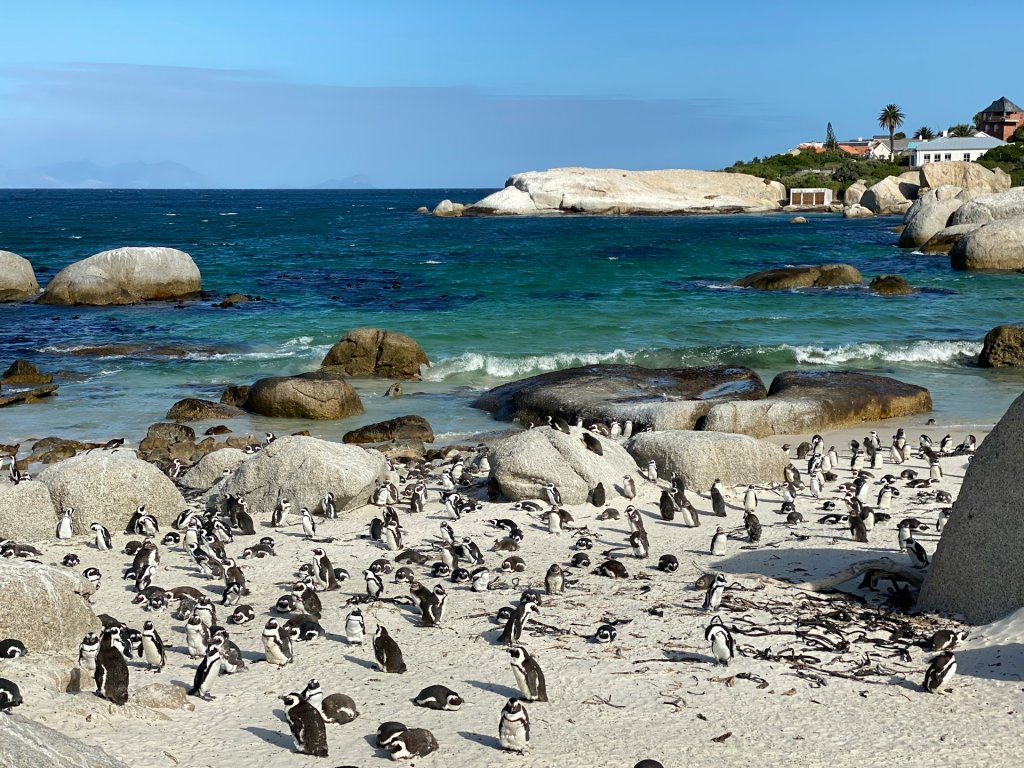
At Boulders Beach in Simon’s Town (around 45 km from the city centre), you can spend a day at one of the most beautiful beaches in South Africa and watch adorable penguins wobbling around.
A single breeding pair arrived among the sheltered granite boulders in 1982. This pair grew their rankings to become one of the few land-based penguin colonies in existence.
Managed by South African National Parks, wooden boardwalks allow visitors to observe these endangered birds up close while protecting their nesting grounds.
Important to note: Give the penguins space! Whether you see them on the walkways or on the beach, don’t get close to them and definitely don’t try to touch them! They’re wild animals.

Beyond its natural beauty, Cape Town is recognised internationally as a thriving hub for design, architecture, and creative innovation.
In 2017, it became the very first city in Africa to join the UNESCO Creative Cities Network as a designated City of Design. You can experience this creative culture firsthand while exploring the vibrant, brightly painted streets of the Bo-Kaap, visiting local design markets, or browsing contemporary art spaces.
Must-Visit: The Watershed at the V&A Waterfront is a market that hosts hundreds of local brands. It’s the perfect place to go souvenir shopping.

Drawing millions of visitors every year, the Victoria & Alfred Waterfront seamlessly combines a active working harbour with premier shopping, dining, and entertainment.
In addition to waterside restaurants, it houses major Cape Town attractions like the Zeitz Museum of Contemporary Art Africa (MOCAA) – the largest museum in the world dedicated exclusively to contemporary art from Africa and its diaspora.
Tip: Choose a breakfast spot at the V&A along the water so that you can watch the seals sunbathing on the dock.

Constructed between 1666 and 1679 by the Dutch East India Company, the Castle of Good Hope holds the title of South Africa’s oldest surviving colonial building.
When original construction was completed, the ocean waves rolled right up to the fortress walls. Major foreshore reclamation projects during the 20th century gradually pushed Table Bay back, leaving the historic star-shaped fort situated inland in the heart of the modern city centre.

If you go to Cape Point to see the meeting of the Atlantic and Indian oceans, you’ll be disappointed. The official meeting point of the two oceans is actually at Cape Agulhas, located roughly 200 km southeast of Cape Point.
However, Cape Point often experiences the convergence of two powerful oceanic currents: the cold Benguela current from the south and the warm Agulhas current from the east. This rich marine dynamic creates a booming ecosystem home to seals, dolphins, African penguins, and migrating whales.

Cape Town is a significant chapter in the world’s trading history. When Portuguese navigator Bartolomeu Dias rounded the Cape Peninsula in 1488, he initially dubbed it the “Cape of Storms” because of the fierce ocean conditions he encountered here.
King John II of Portugal later renamed it the “Cape of Good Hope” to celebrate the opening of a direct sea route to India and the East. Today, the Cape of Good Hope sits within Table Mountain National Park, offering dramatic ocean cliffs, wild coastal hiking trails, and a fascinating look into maritime history.

While central city areas are easy to navigate, getting around Cape Town and its sprawling coastal region is best experienced behind the wheel. Having your own vehicle allows you to set your own pace, stop at scenic ocean lookouts, and explore off-the-beaten-track gems.
To get the most out of your holiday, hire a dependable car hire in Cape Town to travel at your own pace, enjoying seamless city cruising and highway trips. If your journey includes gravel mountain passes or extended gravel road travel across Southern Africa, picking a 4×4 hire in Cape Town ensures total confidence on any terrain.



Typically responds in under 15 minutes