

How to Approach Deep Water Crossings in a 4x4
Standing at the edge of a flooded trail with your engine idling, you watch muddy...
 12 October 2026





Searching...
The Karoo represents the raw, unhurried heart of Southern Africa. It sprawls across more than 400,000 square kilometres of South Africa’s interior – it’s an ancient, semi-arid wonderland larger than Germany. The wide-open plains, jagged mountain ranges, and silence so profound you can hear the wind whisper through the scrub are just a few of the reasons why the Karoo deserves a visit on a road trip.
For the adventurous soul craving solitude or the traveller seeking timeless small-town charm, a Karoo road trip is hard to beat. Here’s our definitive Karoo travel guide and ten reasons why this vast landscape should be explored on four wheels.
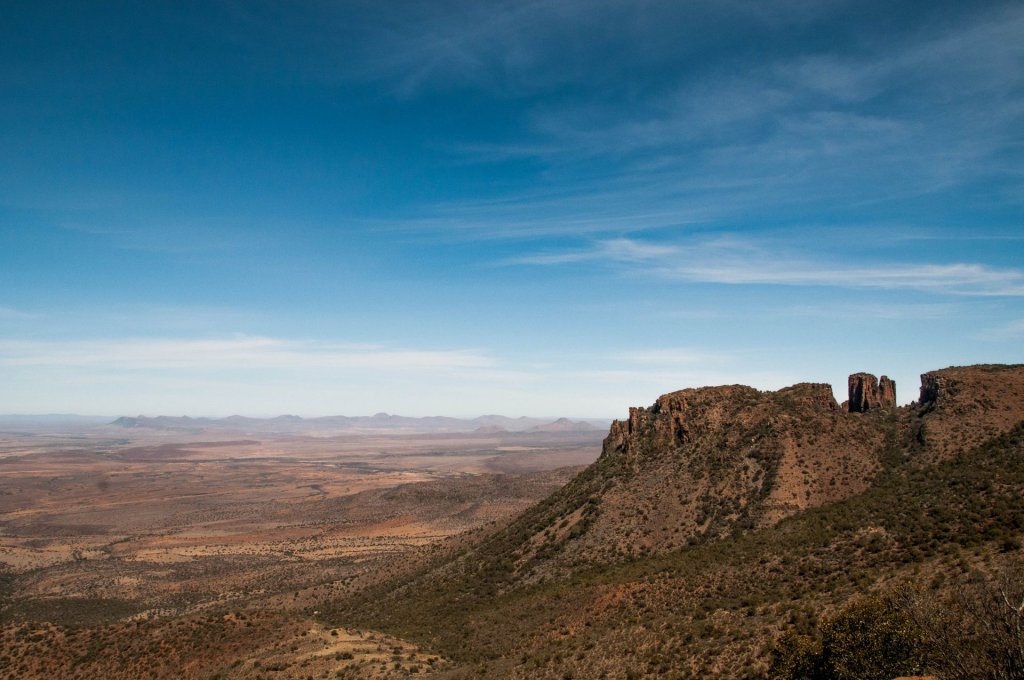
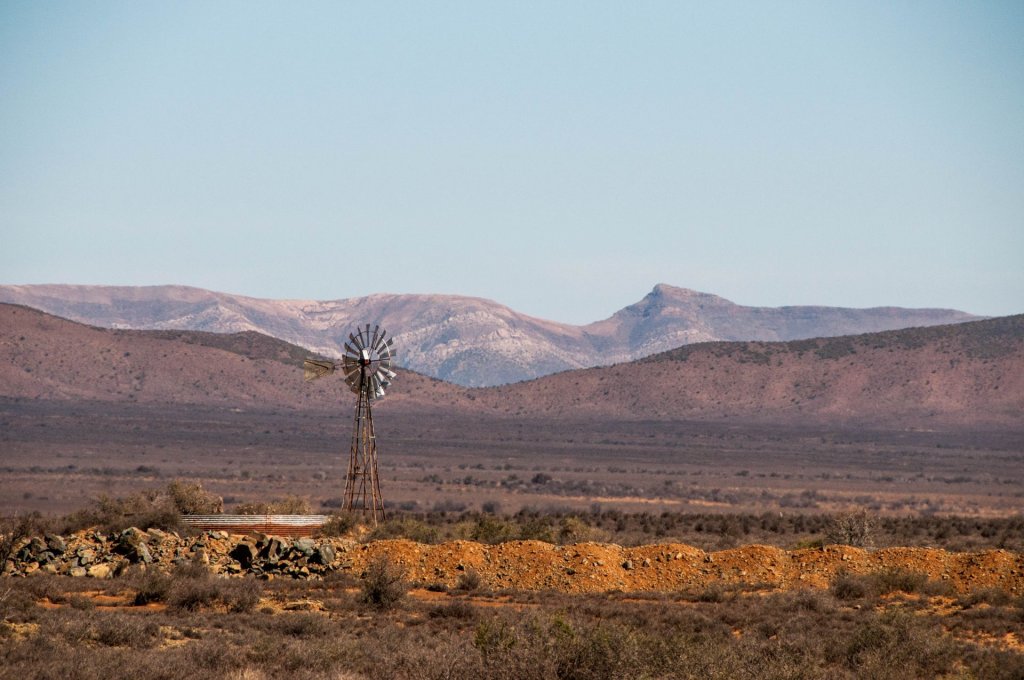
Is modern city life starting to feel stifling? Are you craving genuine peace? The vast plains of the Karoo deliver it in abundance. Here, the horizon stretches uninterrupted for miles, punctuated only by flat-topped hills, known locally as koppies, and iconic windpumps spinning lazily against deep blue skies. The sheer sense of scale far away from modernity can trigger an immediate mental reset, making it the perfect antidote to hectic city living.
Driving for hours through dramatic landscapes without another vehicle in sight is an exhilarating reminder of just how wild and untamed South Africa remains – if you know where to look.
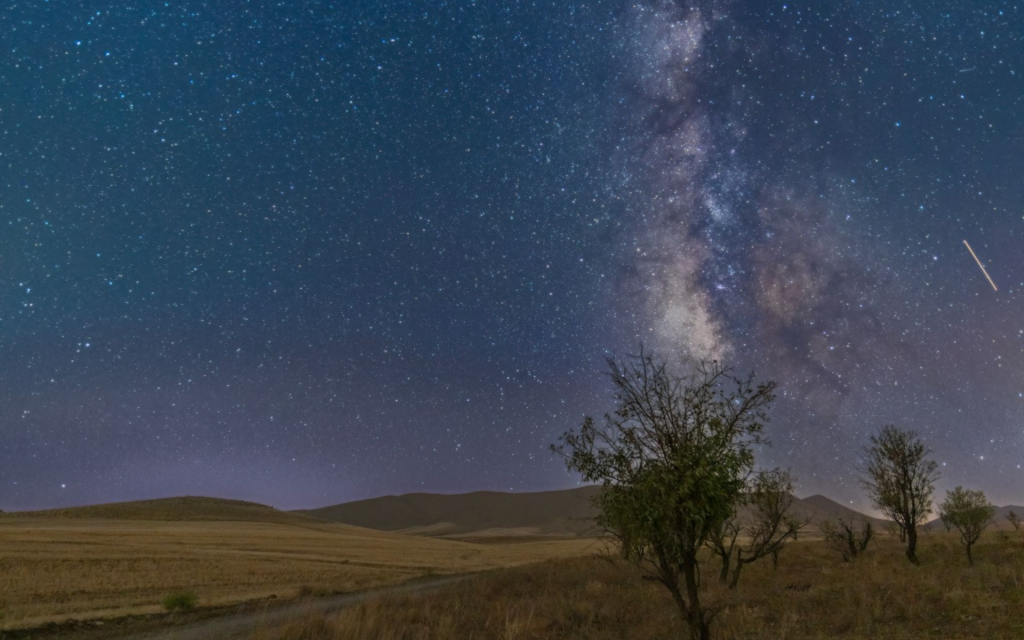
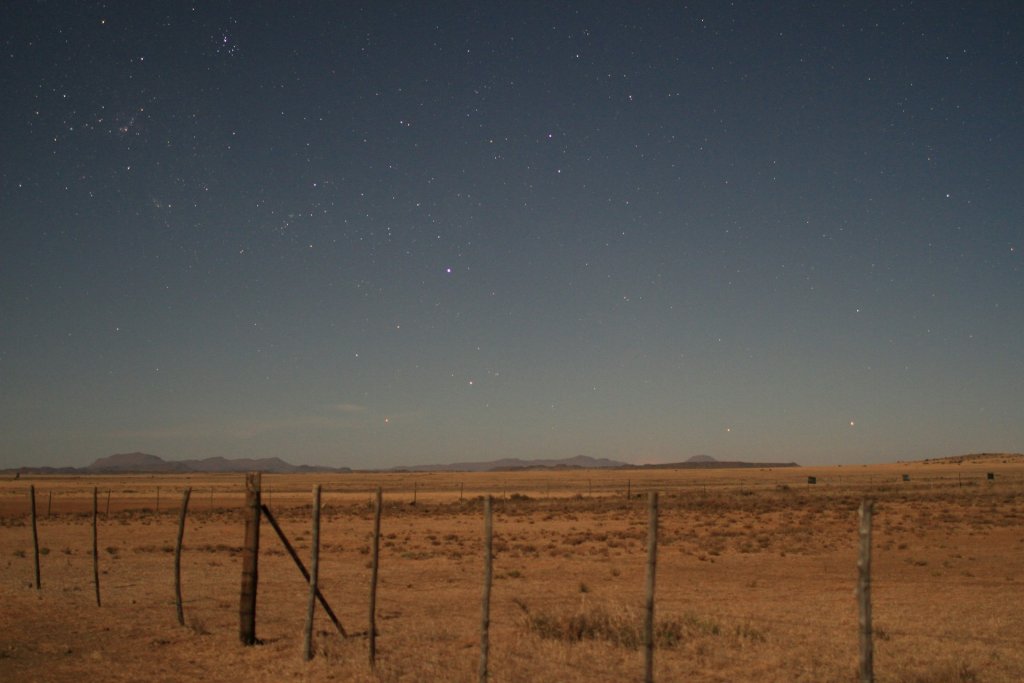
Thanks to cloudless conditions, zero light pollution, and high altitude, the Karoo is internationally renowned as one of the best stargazing destinations on Earth.
The small town of Sutherland in the Roggeveld Karoo is home to the South African Astronomical Observatory and the Southern African Large Telescope (SALT), the largest single optical telescope in the Southern Hemisphere.
On a clear night, the Milky Way arches overhead in startling brilliance, giving stargazers vivid views of distant galaxies, constellations, and shooting stars.
Tip: Download Sky Safari to enhance your stargazing experience in the Karoo.

Connecting the dry interior to fertile coastal valleys, the mountain passes carving through the Swartberg and Roggeveld ranges are masterclasses in 19th-century road engineering.
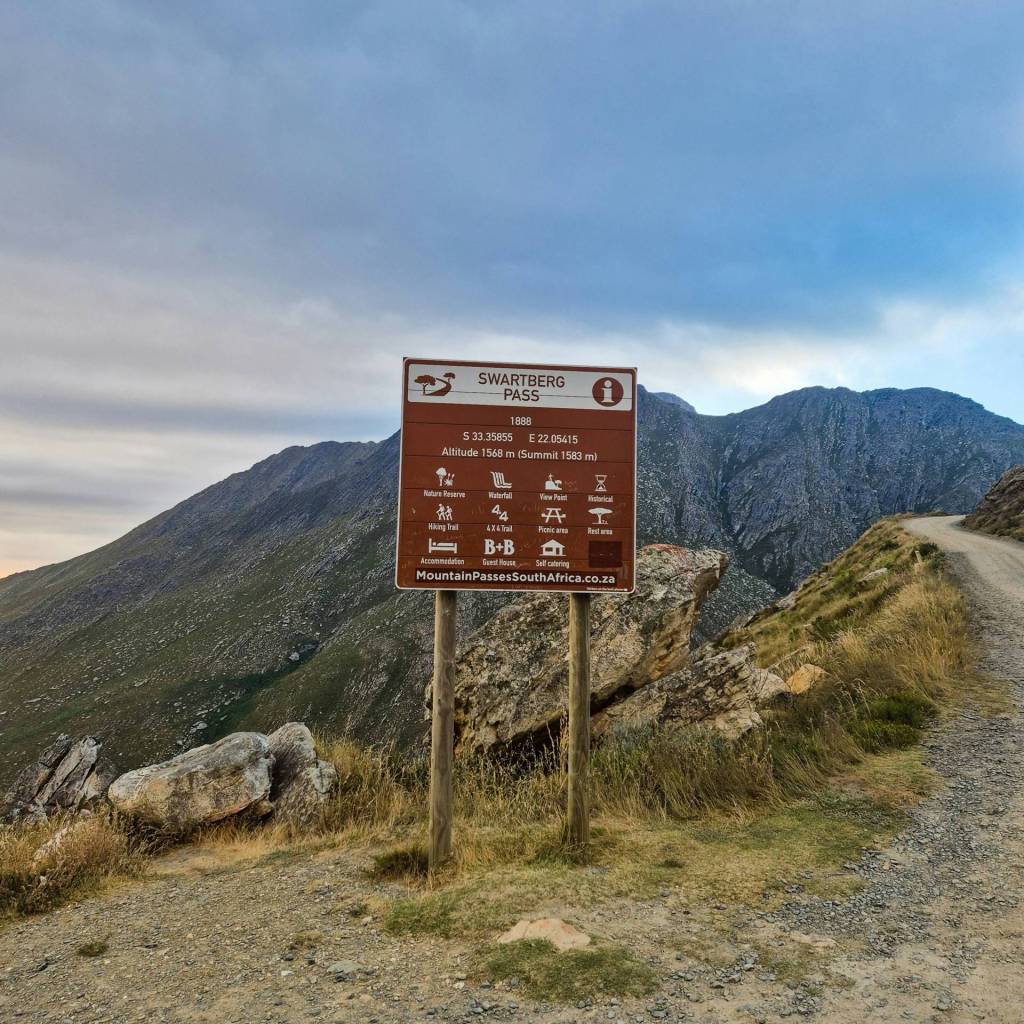
The most famous of these is the Swartberg Pass, an unpaved gravel masterpiece built by legendary engineer Thomas Bain in the 1880s. Winding past towering red rock faces, narrow clefts, and precipitous drop-offs, the pass delivers jaw-dropping views across the plains.
Just south of the pass lies Meiringspoort, a paved gorge highway where sheer sandstone walls soar hundreds of metres above river crossings.
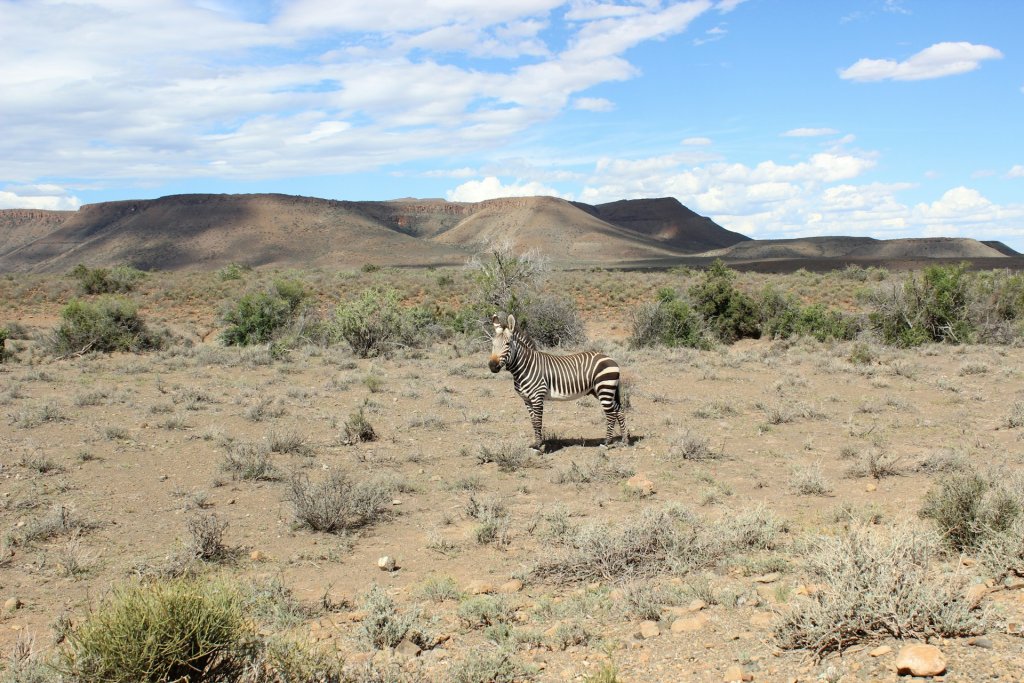
Inside the protected sanctuary of Karoo National Park, set against the dramatic Nuweveld Mountains near Beaufort West, you can encounter desert-adapted wildlife – hardy species uniquely adapted to thrive in extreme arid conditions.
Key animals to spot include the endangered Cape mountain zebra, black rhino, springbok, kudu, and lions. Birders can look out for Verreaux’s eagles nesting high along sheer cliff edges.
Itinerary idea: If you want to camp at one of the designated camping sites in Karoo National Park, consider hiring a fully equipped 4×4 with camping gear.
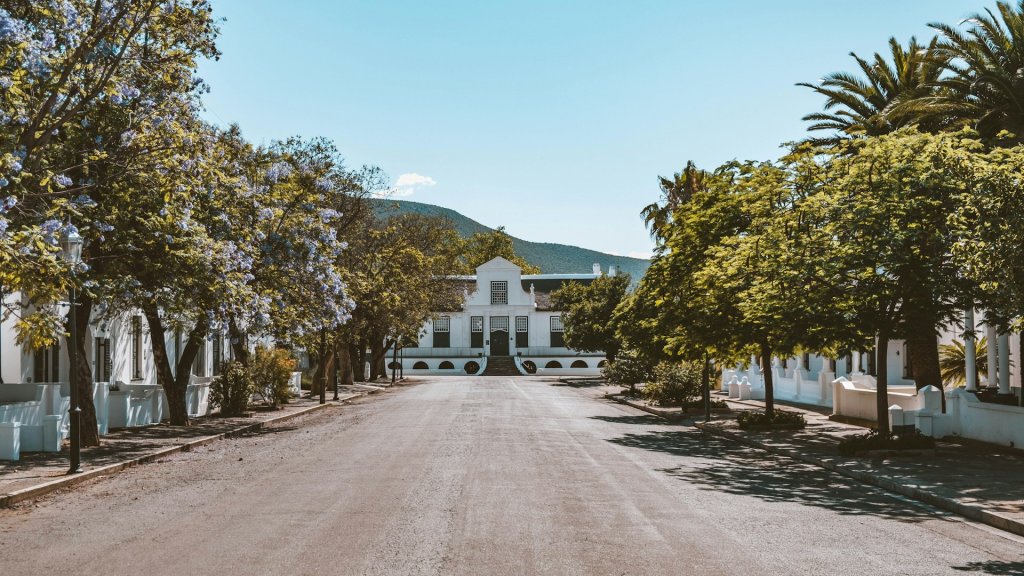
Dotted across the plains are tiny small towns filled with character, Victorian architecture, and creative communities. Here are a few standout stops:
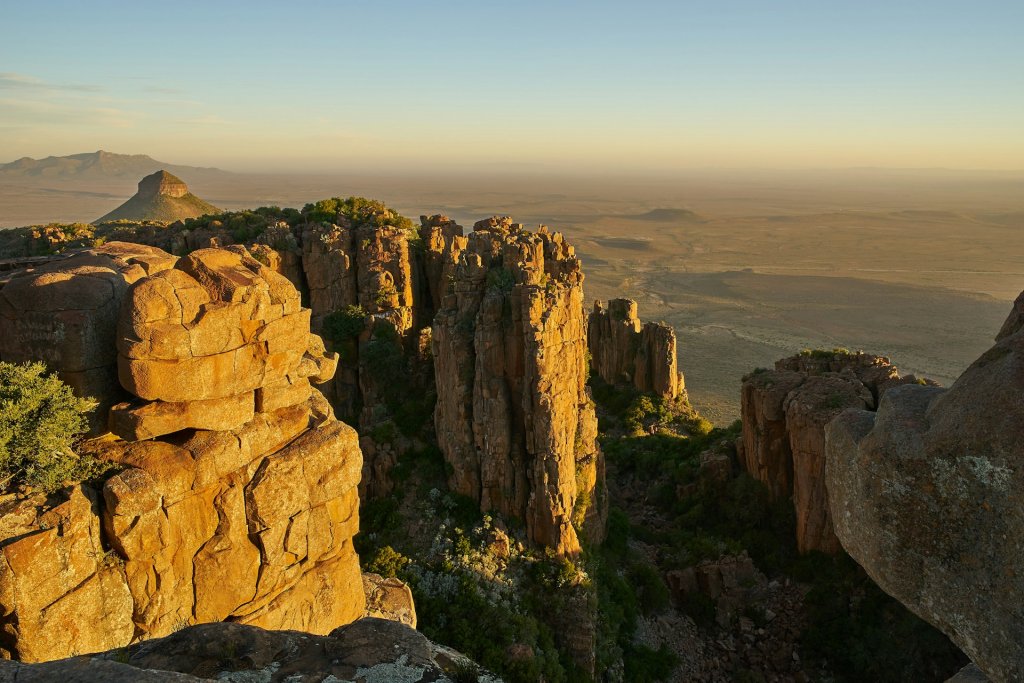
Rising sharply outside Graaff-Reinet in Camdeboo National Park is the Valley of Desolation, one of the most striking natural landmarks in the whole country.
The site features dramatic dolerite rock columns towering up to 120 metres high, formed by ancient magma intrusions that slowly cooled underground and were exposed over millions of years by natural weathering and erosion.
Standing at the edge of the viewpoint at sunset reveals panoramic vistas across the flat expanse of the Plains of Camdeboo, bathed in rich gold and violet light.

No road trip through the interior is complete without sampling authentic regional cuisine. World-famous Karoo lamb is naturally seasoned by the wild shrubs and herbs (such as rosemary) on which free-roaming sheep feed, giving the meat a distinct, savoury flavour.
Along your route, quirky farm stalls serve freshly griddled roosterkoek (bread cooked over open coals), homemade venison pies, spicy biltong, and artisanal preserves.
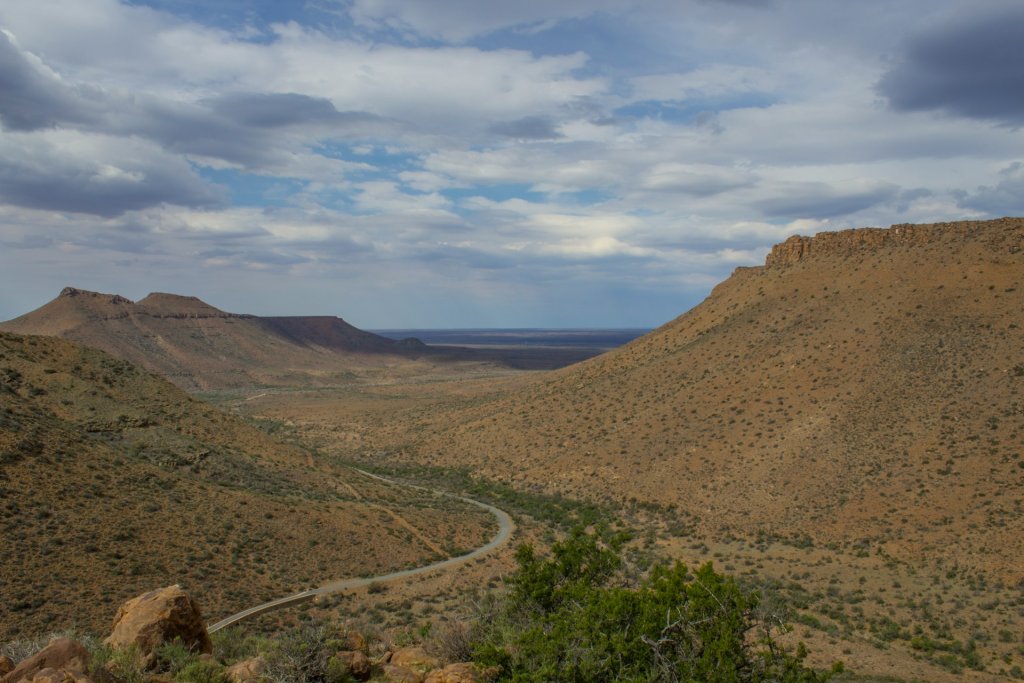
Long before humans or mammals walked the earth, the region consisted of a massive prehistoric floodplain and vast rivers.
Today, the geological layers of the Beaufort Group are recognised by palaeontologists as the world’s premier repository of therapsid (mammal-like reptile) fossils. These 250-million-year-old specimens document the evolutionary bridge between reptiles and modern mammals.
Visitors can explore guided fossil trails in Karoo National Park or browse world-class collections at the Iziko Museum (in Cape Town) or the Graaff-Reinet Museum.
Landscape photographers will be in their element in the Karoo. With dry air and clear skies, the region offers the clean, sharp lighting conditions that photographers dream about. During golden hour, right before sunrise and sunset, the rocky koppies, historic stone churches, and rusted windmills glow with vivid amber, pink, and orange tones.
Photographers will find endless inspiration capturing abandoned homesteads, dusty gravel routes, and surreal flora like quiver trees and giant aloes.
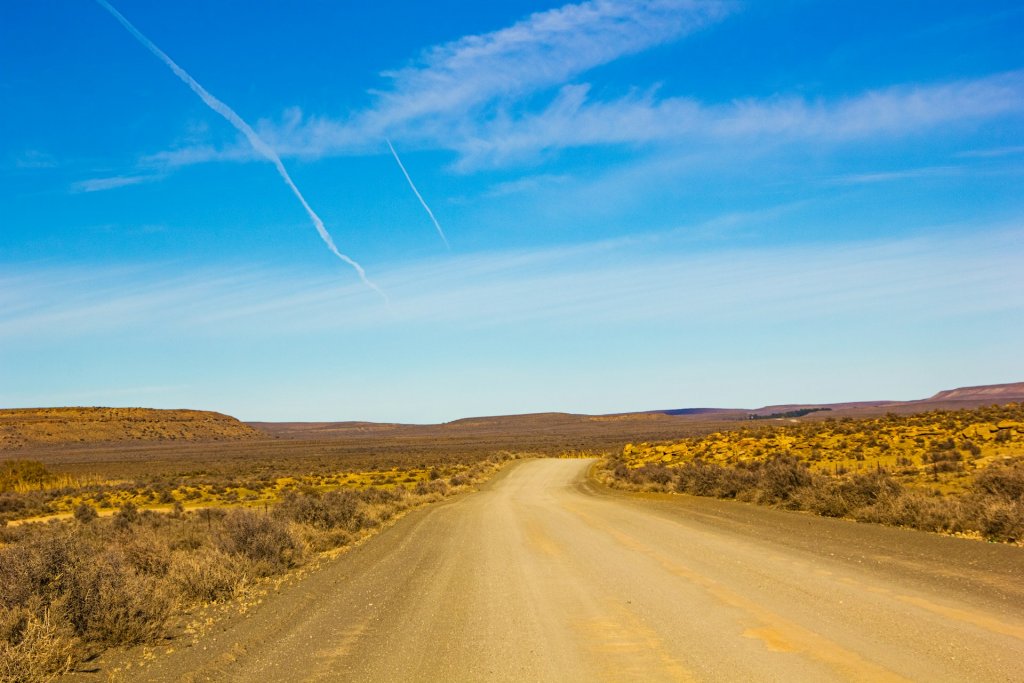
Ultimately, the region is defined by the romance of self-drive exploration. Whether you’re cruising the famous Route 62 through the Klein Karoo or tackling the legendary R355 – South Africa’s longest continuous unpaved road, stretching over 230 kilometres between Ceres and Calvinia – the journey itself is an unforgettable adventure.
Road Trip Tip: When driving remote gravel routes like the R355, lower your tyre pressure slightly to soften the ride and reduce puncture risk. Always check your spare tyre before leaving town, and carry at least five litres of drinking water per person.
Depending on which quadrant of the interior you intend to explore, several major transport hubs provide convenient collection points for rental vehicles:
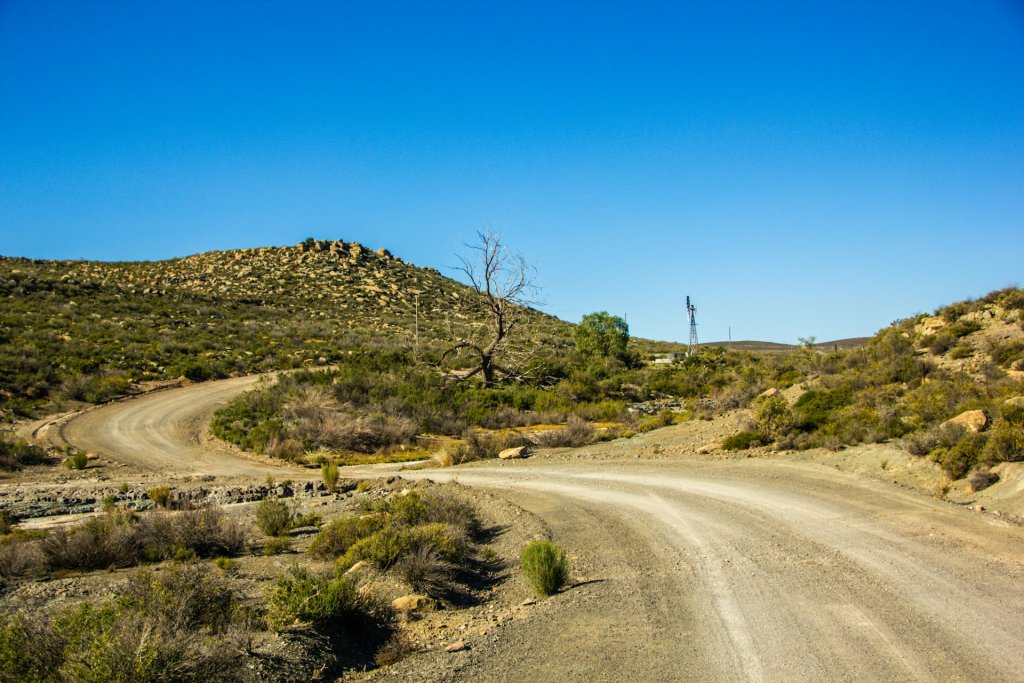
While major national highways like the N1 and N12 are fully paved, much of the region’s authentic magic lies along corrugated gravel arteries and mountain passes. Selecting the right vehicle ensures safety and driving enjoyment.
When heading off into remote desert areas, choosing dedicated 4×4 hire in South Africa provides rugged suspension, ample payload space for camping gear and extra water, and complete confidence on unpaved terrain.
The Karoo is classified as a semi-desert region. It’s divided into two distinct zones: the Succulent Karoo in the south and west and the Nama Karoo across the central interior plateau.
You can pick up detailed physical maps at SANParks reception gates, regional tourism offices, or download offline GPS maps before departing. Carrying an offline Great Karoo desert map is essential, as mobile phone reception drops across remote gravel stretches.
Autumn (March to May) and spring (September to November) offer the mildest, most comfortable weather for visiting the Karoo. Mid-summer temperatures can climb above 40°C, while winter nights frequently drop below freezing, occasionally bringing dusting snowfalls to high mountain passes.
Are the vast horizons, starlit skies, and quiet magic of the open road calling to you? Use our online booking tool at the top of the page to compare vehicles for your road trip.
Standing at the edge of a flooded trail with your engine idling, you watch muddy...
12 October 2026
Long before sunrise, a deep, resonant rumble drifts through the darkness. It’s the rainy season,...
4 September 2026
A Botswana green season safari offers one of Southern Africa’s most sensational wilderness transformations. Between...
1 September 2026



Typically responds in under 15 minutes
