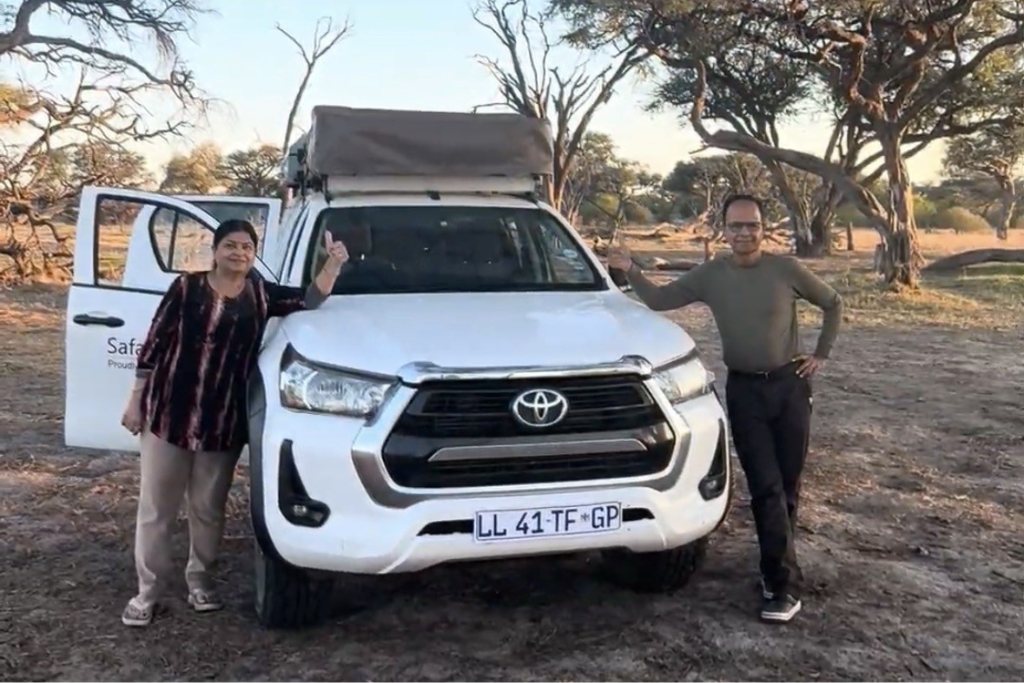

What It’s Like to Camp in a 4x4 Across Botswana’s Wilderness
Long before sunrise, a deep, resonant rumble drifts through the darkness. It’s the rainy season,...
 4 September 2026




Searching...
Planning your first self-drive adventure across Southern Africa is an incredible milestone, but it quickly brings up a critical question: What car is best? You need to know exactly what kind of safari vehicle to rent so you can navigate the wild terrains safely. Furthermore, you might even be wondering if you need one at all!
It’s easy to picture yourself behind the wheel of a heavy-duty, mud-splattered off-roader conquering massive sand tracks under the blazing African sun. However, the honest truth is that your final choice depends entirely on your specific itinerary, seasonal road conditions, and accommodation preferences.
At Drive South Africa, we want to help you cut through the overlanding myths so you can find the perfect ride for your journey. Let’s break down what you actually need to know before hitting the open road.
Many first-time travellers assume that setting foot on the African continent automatically requires a massive four-wheel-drive machine. However, a standard high-clearance two-wheel-drive (4×2) vehicle can comfortably handle the vast majority of official tourist routes.
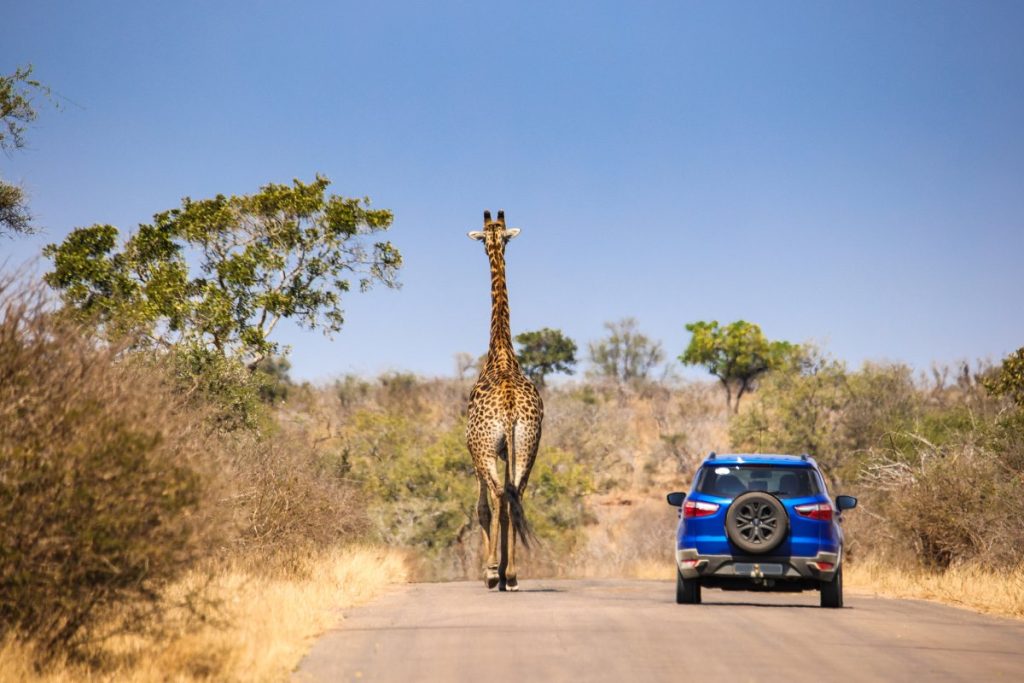
If you plan to stay in established game lodges and stick to well-maintained national park networks, a 4×4 is rarely necessary. For instance, South Africa’s world-famous Kruger National Park features extensive networks of beautifully tarred main roads, and its well-graded gravel loops are easily managed by a standard 2WD SUV.
A standard passenger SUV would give you the elevated seating position needed to spot wildlife over the roadside brush without driving up your daily rental costs.
While officially designated gravel roads are legally considered public highways across most of Southern Africa, insurance coverage varies significantly by supplier and vehicle type. Many high-clearance 2WD SUVs or 4x4s generally carry full gravel road protection. It’s essential to check your specific rental company’s policy regarding road types and tyre/windscreen waivers before hitting the dirt.
Put simply, you can save the heavy-duty safari vehicles for destinations where paved roads and graded tracks disappear entirely.
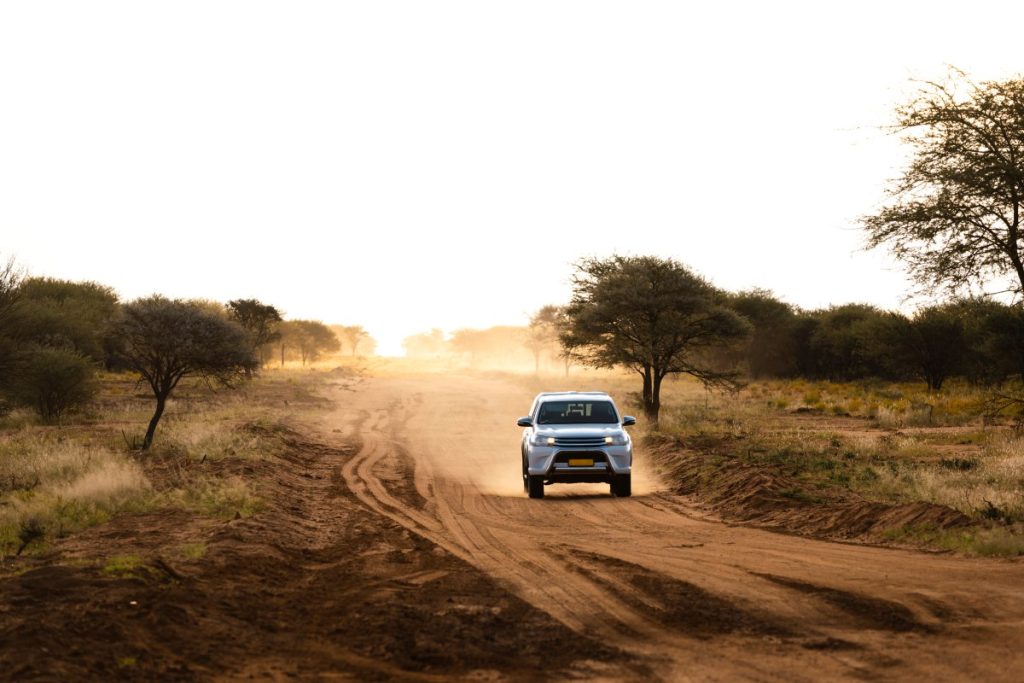
Choosing between the various types of safari vehicles comes down to where you intend to sleep and how far off the grid you want to go. Let’s look closely at the primary categories available for your self-drive holiday.
To learn how these vehicles differ in structural design, dust sealing, and insurance coverage, check out our guide on Specialist 4×4 Rental vs Standard 4×4 Rental before making your booking.
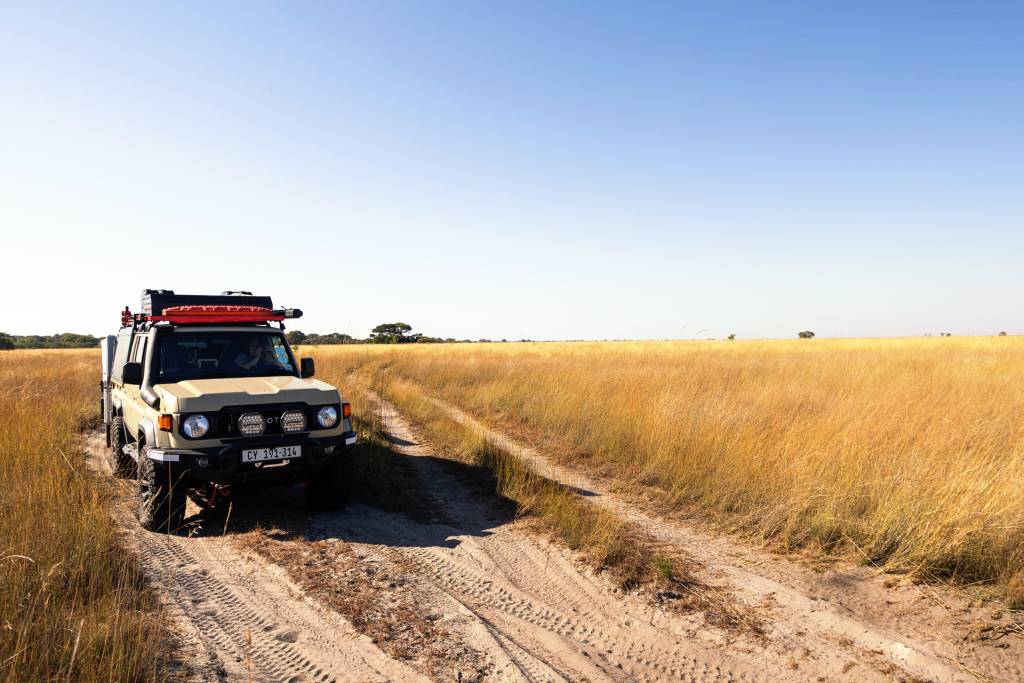
When you’re looking for the best safari vehicles for an extended expedition, mechanical reliability and local parts availability are your top priorities.
The iconic Land Rover safari vehicle has a storied history and remains a nostalgic favourite for traditional wilderness exploration across the continent. However, modern overlanding rental fleets are heavily dominated by robust Toyota Land Cruiser safari vehicles.
Models like the Land Cruiser 79 single- or double-cab are widely considered the benchmark for remote travel. These classic safari vehicles are legendary for their ability to withstand the harshest environments without breaking a sweat.
Alongside the Land Cruiser, the Toyota Hilux Double Cab stands out as the quintessential choice for those new to the off-road community. It offers a fantastic balance of off-road power, excellent fuel range, and user-friendly handling for first-timers.
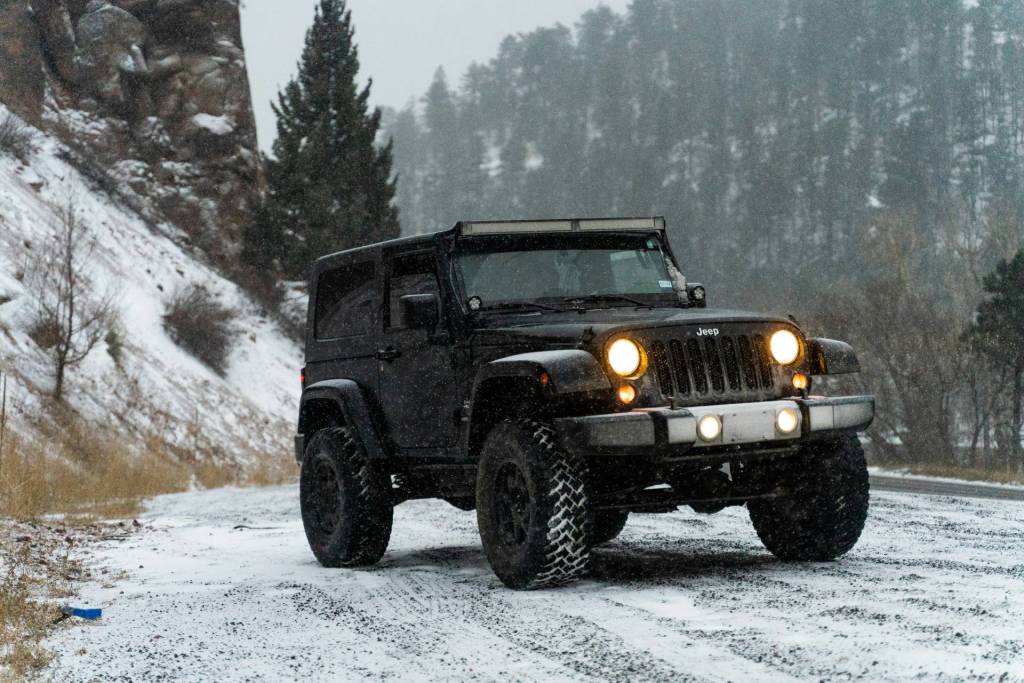
Southern Africa’s diverse geography means that road conditions change dramatically as soon as you cross international borders.
In South Africa, a standard passenger SUV is completely adequate for the vast majority of popular tourist hubs. However, crossing the border into Namibia completely changes the driving dynamic.
Namibia is a vast country dominated by sweeping gravel highways, rocky mountain passes, and towering sand dunes. To explore these remote areas safely, specialised desert safari vehicles with high ground clearance and robust four-wheel-drive capabilities are needed.
Namibia’s sharp volcanic gravel can easily slice through standard passenger car tyres, making a tough 4×4 with reinforced all-terrain sidewalls a smart investment. Similarly, a self-drive journey into Botswana often requires navigating deep sand tracks and salt pans where low-range gears can be essential.
Timing also matters immensely when planning your independent holiday. For a cold-weather expedition to see clear winter skies, you need to prepare your vehicle appropriately.
Take a look at our specialised 4×4 Winter Guide to see which closed-structure campers and shower systems will keep you comfortable when temperatures drop.
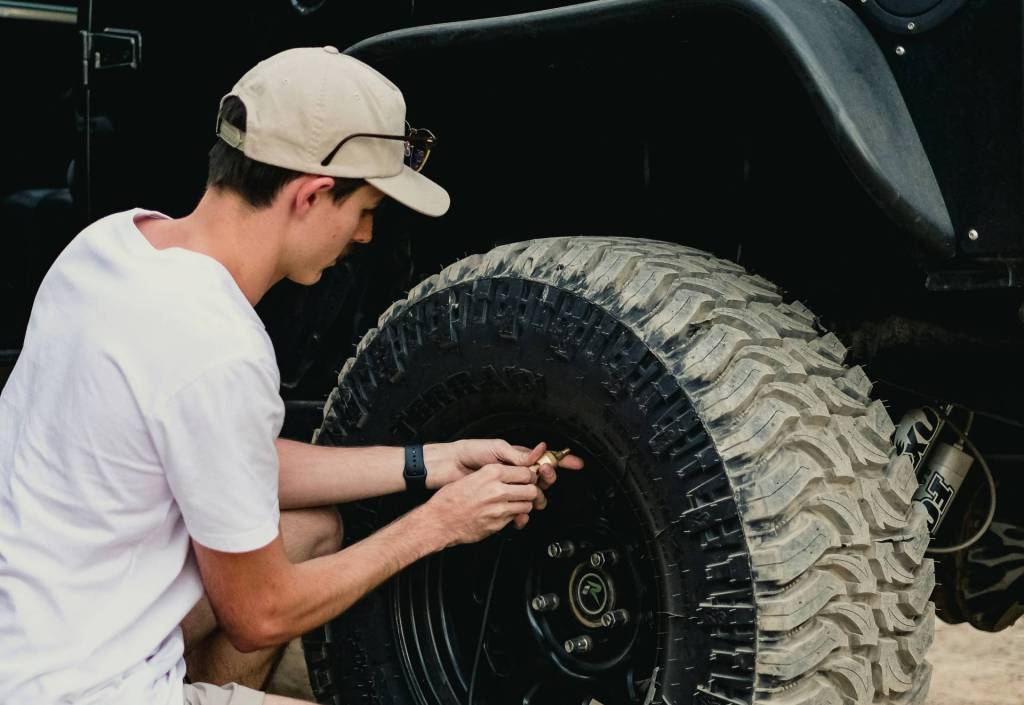
Venturing out into remote wilderness areas means you must be prepared to handle minor mechanical challenges independently. Reputable rental suppliers will always provide a comprehensive safety and recovery kit with their off-road vehicles.
This essential package should include a secondary spare tyre, a high-quality tyre pressure gauge, and a portable air compressor. When driving through soft desert sand or deep mud, you’ll need to lower your tyre pressure significantly to increase your traction.
Once you return to hard gravel or tarred surfaces, you can use the compressor to pump your tyres back up to their standard pressure. Your recovery kit should also feature heavy-duty tow straps, sand mats or tracks, and a spade to help you navigate tricky situations safely.
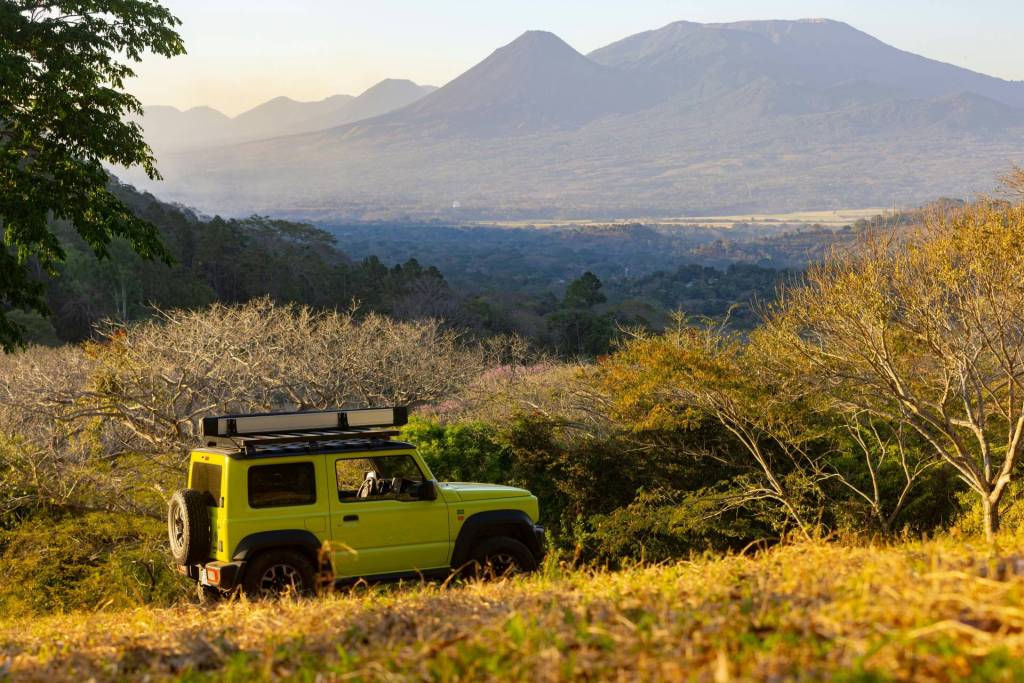
Choosing the perfect vehicle comes down to finding the sweet spot between your travel itinerary, budget, and desired comfort level. You don’t always need a massive off-roader to experience the magic of an authentic African safari – but in our honest opinion, it’s the best way to experience adventure travel in Africa.
Whether you need a sleek compact SUV for a coastal highway or a rugged 4×4 camper for a remote expedition, we have you covered. Explore our full range of vehicles on our dedicated 4×4 hire page to kickstart your journey today.
Long before sunrise, a deep, resonant rumble drifts through the darkness. It’s the rainy season,...
4 September 2026
A Botswana green season safari offers one of Southern Africa’s most sensational wilderness transformations. Between...
1 September 2026
South Africa in August is a country of scenic contrasts. In the north, dry landscapes...
21 August 2026



Typically responds in under 15 minutes