
What It’s Like to Camp in a 4x4 Across Botswana’s Wilderness
Long before sunrise, a deep, resonant rumble drifts through the darkness. It’s the rainy season,...
 4 September 2026




Searching...
Planning a self-drive adventure across the vast wilderness of Southern Africa is one of the most exciting choices an explorer can make. Watching the sunrise over the red dunes of Namibia or tracking elephants through the dust of Chobe requires careful preparation.
To keep your dream on track, you need a realistic understanding of your expenses. Creating a comprehensive Africa overland budget is the first step toward a successful journey.
Managing a long-distance expedition involves balancing fixed expenses with unexpected operational variables. Gaining clarity on these elements allows you to explore remote regions without financial anxiety. So, with that in mind, let’s start planning!
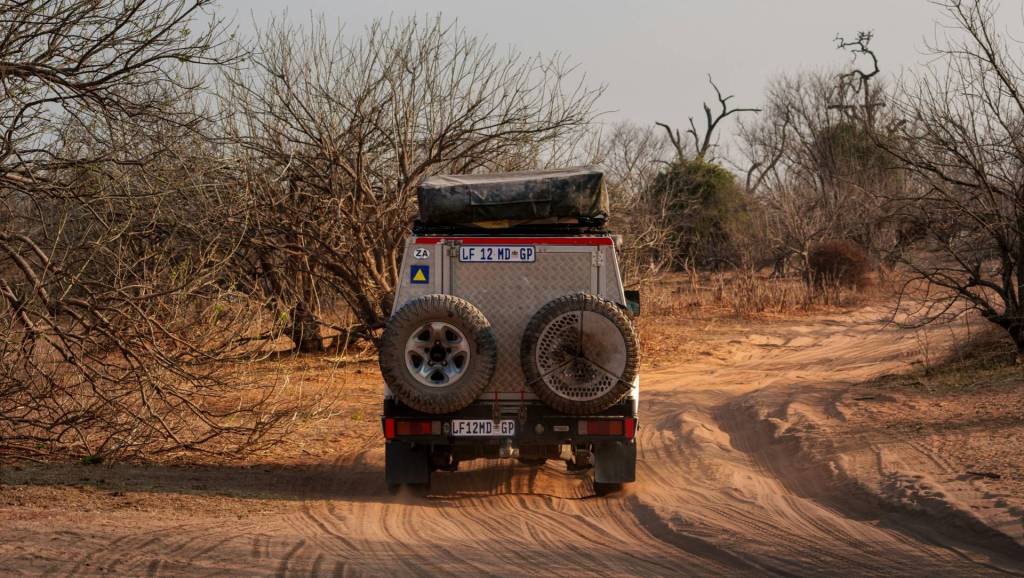
Your vehicle is your most significant expense and your ultimate lifeline in the bush. Choosing an overland 4×4 requires evaluating your specific route requirements and comfort levels. Rental rates fluctuate based on seasonal demand across Southern Africa. Booking during the dry winter peak season typically requires a larger allocation of funds than travelling during the low summer rainfall months.
The configuration of the vehicle also dictates the baseline expense. Fully equipped models that feature built-in rooftop tents, integrated refrigerators, and recovery equipment naturally command a different pricing structure than standard unequipped models.
Your choice of insurance coverage modifies the final fee structure as well. Opting for zero-excess coverage increases your daily rate but provides absolute financial peace of mind when navigating rugged gravel terrain.
Pro Tip: Extended rental durations often qualify for discounted daily rates from trusted suppliers, bringing down the average daily cost of your vehicle hire.
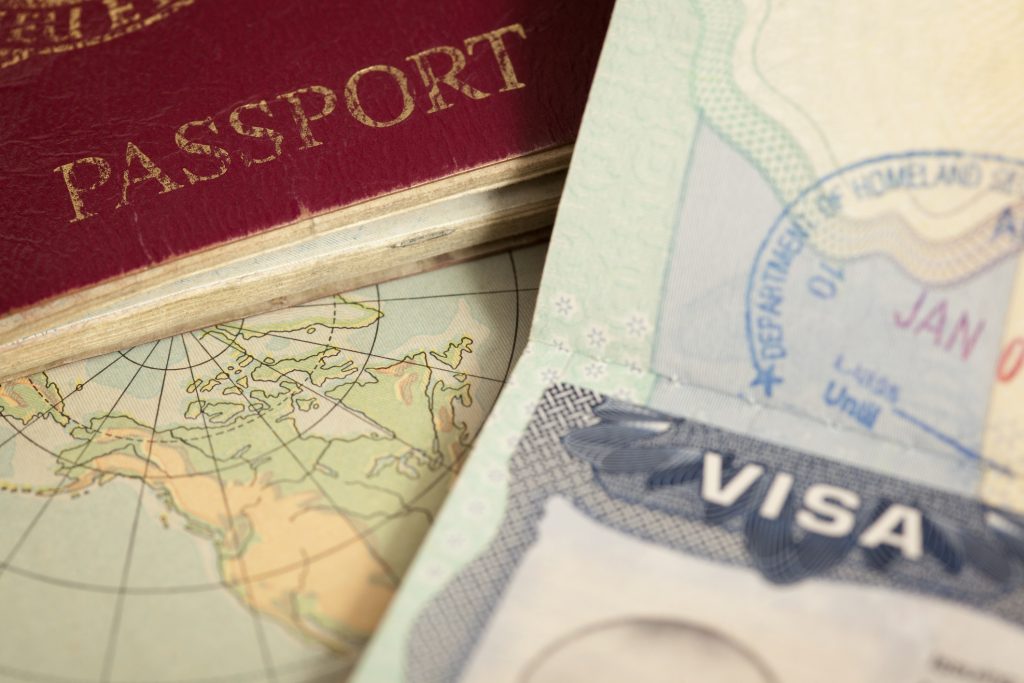
Crossing international borders means handling various entry regulations and administration fees, so you should budget for individual visa costs well before your departure date.
Visa structures vary dynamically depending on your passport nationality and the specific countries on your itinerary. Certain countries offer free entry or visas on arrival, whereas others demand pre-arranged consular documentation.
Multi-entry visas are essential if your route loops back through a country you have already visited – these permits carry higher fees but prevent logistical dead ends during your journey. Failing to account for these upfront administrative fees can disrupt your financial tracking early in the trip.
Tip: For a multi-destination overlanding trip, the KAZA UniVisa should be considered. It costs US $50 and allows tourists to travel seamlessly between Zimbabwe and Zambia multiple times, including day trips across the Kazungula border into Botswana.
Beyond personal entry permits, your vehicle requires its own set of cross-border clearances. Every border post introduces specific local authority levies that must be settled upon entry.
You’ll encounter border crossing fees that include compulsory third-party insurance and road safety permits. These fees are typically collected in local currency or major international banknotes.
Some countries require a temporary import permit for foreign-registered vehicles. Keeping an organised folder with your registration papers and rental authority letters speeds up this process.
Keep in mind that when renting a vehicle through Drive South Africa, you’ll need to pre-approve all cross-border travel with us before you embark on your journey. If all is in order, we’ll make sure you have the relevant documents.
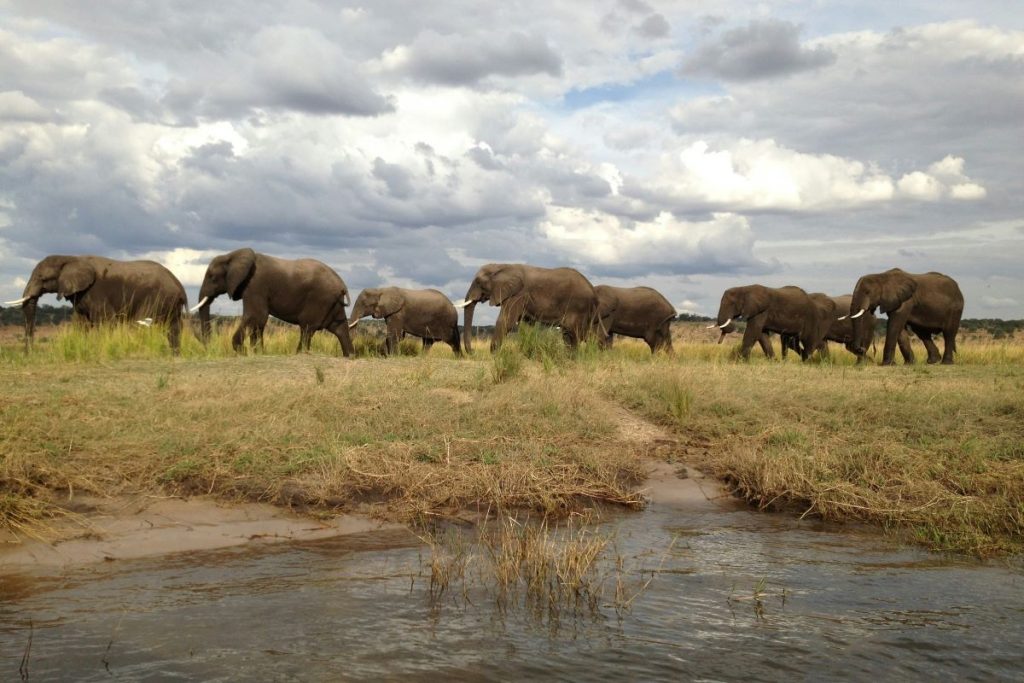
The highlights of any Southern African expedition are the iconic wildlife sanctuaries and conservation zones. However, entering these protected habitats usually costs money. Conservation fees are usually calculated per person and per vehicle for each day spent inside the park boundaries. International visitors generally pay a higher tier than local regional residents.
When visiting popular destinations like Chobe National Park in Botswana and Etosha National Park in Namibia, you will need to pay a daily vehicle entry fee at the gate alongside your individual conservation fees. These fees fund tourism development and wildlife protection initiatives.
If you plan to spend weeks exploring deep wilderness areas, conservation levies will become a substantial component of your daily expenses.
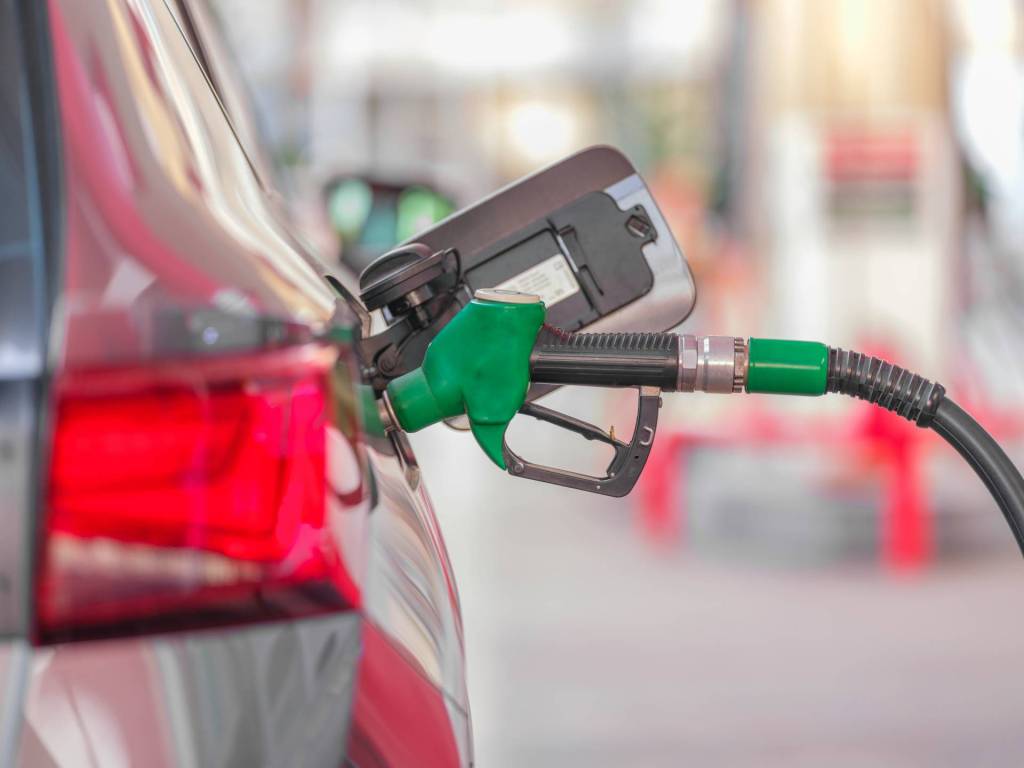
Fuel consumption is a massive variable when navigating challenging off-road tracks. Deep sand, heavy mud, and mountainous passes cause engines to consume far more fuel than standard highways.
Use conservative consumption estimates when calculating your fuel expenses for rough terrain. Carrying extra fuel in mounted jerry cans is essential for remote sections where filling stations are sparse, such as in Namibia.
Daily food and drink costs depend heavily on your personal lifestyle choices and procurement habits. For instance, buying fresh produce at local village markets is highly affordable compared to supermarket chains and supports local communities.
It’s important to note that imported goods and specialised camping sundries in remote safari towns carry a premium price tag. Keeping a basic pantry of staple items ensures you’ll eat well without overspending.
Important to note: In Botswana and parts of Namibia, you can’t transport certain fresh produce, like raw meat or dairy, across specific zones due to Foot-and-Mouth disease regulations. It’s best to buy as you go so your food isn’t confiscated at borders.
Sustaining an expedition over several months requires a different financial mindset than a short holiday. A successful long-term travel budget relies on disciplined tracking and a clear understanding of daily operational baselines.
Unexpected vehicle maintenance and minor equipment replacements are inevitable over thousands of kilometres. Maintaining a dedicated emergency reserve fund keeps your journey moving forward.
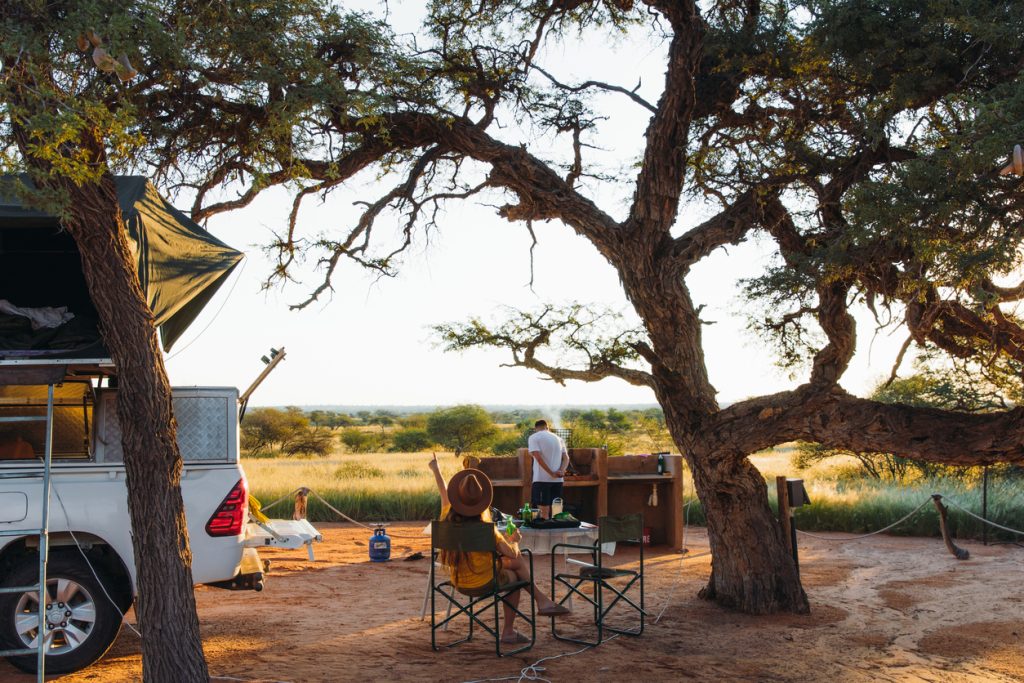
Accommodation is an easy area to reduce your daily expenditure significantly. Utilising basic national park campsites or community-run camping zones keeps costs low.
Next, preparing your own meals over an open fire reduces your reliance on expensive tourist restaurants. Camp cooking is a fundamental part of the adventure and saves money over time.
Finally, travelling with a companion or a small group distributes the core vehicle and fuel costs. Splitting these heavy expenses makes long-distance exploration far more accessible.
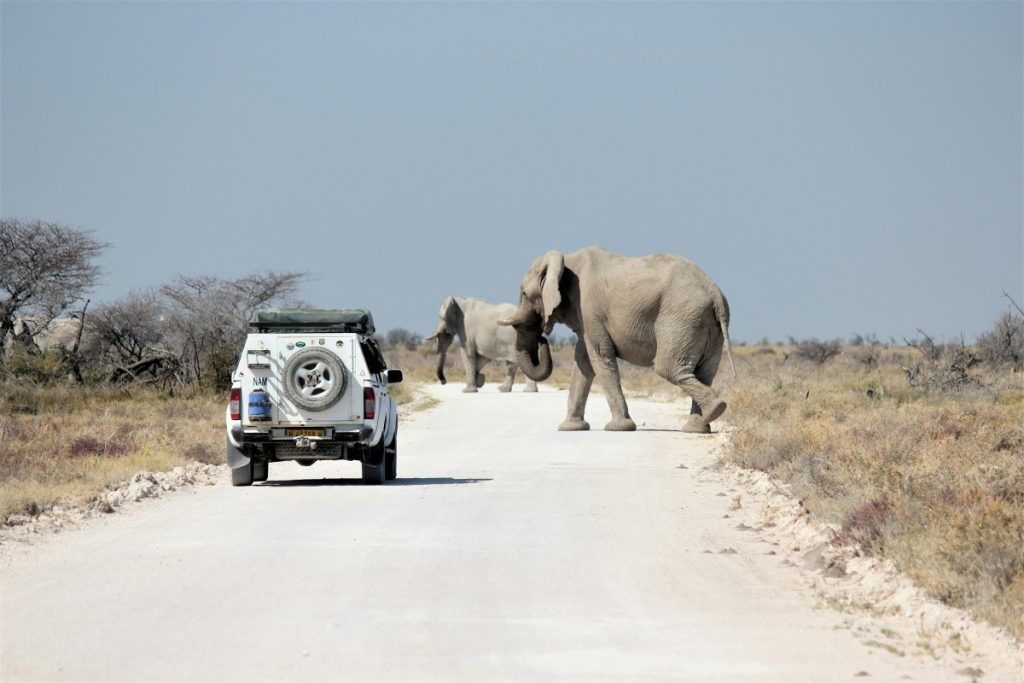
Your choice of vehicle and safety equipment is the one area where cutting corners can compromise your safety. A cheap, unvetted vehicle can leave you stranded in high-risk wildlife areas without support.
Investing in a specialised safari vehicle ensures you have reinforced tyres, dual battery systems, and reliable recovery tools. You can read about how these vehicles compare to standard options in our guide on specialist 4x4s vs standard 4x4s.
High-quality recovery gear, such as sand tracks, heavy-duty jacks, and air compressors, is vital. Having the right tools ensures you can navigate difficult terrain with total confidence.
Setting a realistic financial plan empowers you to focus on the incredible landscapes and wildlife around you. With the right preparation, the tracks of Southern Africa are yours to explore. Explore our range of equipped vehicles today to start planning your own self-drive safari!
Long before sunrise, a deep, resonant rumble drifts through the darkness. It’s the rainy season,...
4 September 2026
A Botswana green season safari offers one of Southern Africa’s most sensational wilderness transformations. Between...
1 September 2026
South Africa in August is a country of scenic contrasts. In the north, dry landscapes...
21 August 2026



Typically responds in under 15 minutes