
What It’s Like to Camp in a 4x4 Across Botswana’s Wilderness
Long before sunrise, a deep, resonant rumble drifts through the darkness. It’s the rainy season,...
 4 September 2026




Searching...
There’s nothing quite like the anticipation of rolling through the gates of Kruger National Park early in the morning, with your windows down and your eyes scanning the thick bush for wildlife. Independent exploration is by far the most rewarding way to see the park, and your comfort depends heavily on your choice of wheels.
To help you plan a seamless trip, let’s look at the best Kruger National Park self-drive vehicles to determine whether a standard SUV or a rugged 4×4 fits your safari style. After all, choosing your ride will shape your daily comfort and dictate your access to remote loops in South Africa’s most epic wildlife destination.
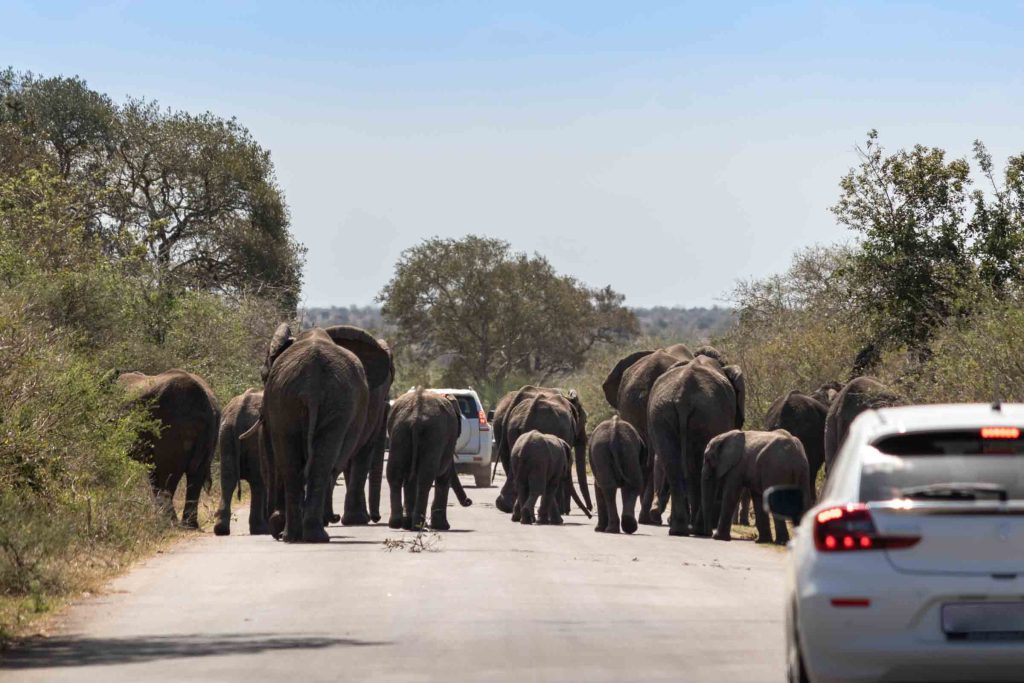
If you’re planning a Kruger Park self-drive safari right now, you’ll notice that the park has been completely transformed. Following massive seasonal rainfall across Southern Africa, the wilderness is more lush and green than it has been in decades. The local rivers have redefined their banks, creating spectacular scenery across the basalt plains.
This intense seasonal weather requires a careful look at current Kruger road conditions before picking your vehicle. Heavy rainfall leaves distinct damage on dirt tracks, meaning a journey that once took two hours can easily take three right now.
SANParks teams work continuously to keep major infrastructure open, but several gravel loops still feature significant erosion and undercutting beneath the surface. Having extra ground clearance gives you the peace of mind needed to safely navigate changing detours and water-damaged culverts.
If you want to read more about planning a complete route across the park, explore our step-by-step guide on how to self-drive Kruger National Park in one week.
Evaluating an SUV vs 4×4 involves looking closely at ground clearance, drivetrains, and what each vehicle is built to handle. Plus, you might have a personal preference based on comfort or features.
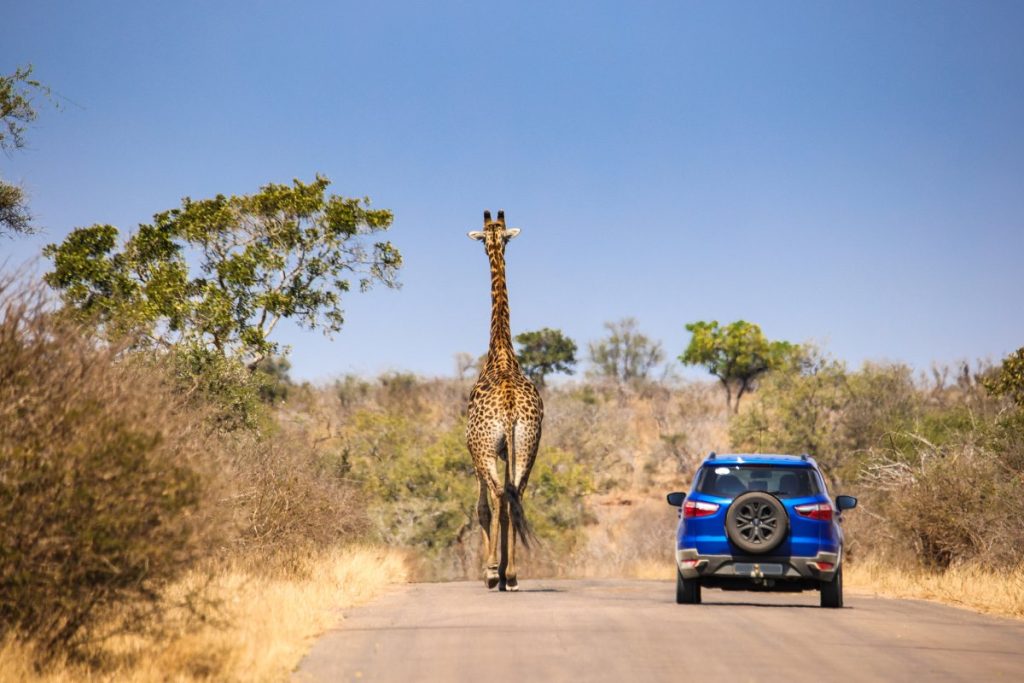
A standard SUV, such as a Toyota RAV4 or a Haval H6, is a raised passenger car designed primarily for paved highways. These vehicles usually feature front-wheel drive or light automatic all-wheel-drive (AWD) systems. They are highly fuel-efficient and handle beautifully on smooth asphalt roads.
If you intend to stay entirely on tarred routes, a standard SUV offers excellent comfort and modern climate control. Keep in mind that a lower ride height can limit your viewing angles when the roadside grass grows tall during the summer months, but you’ll still be better off than in a sedan or hatchback.
While standard SUVs can safely manage most of Kruger’s well-maintained gravel roads at slow speeds, they lack the heavy-duty suspension to absorb severe corrugations over long distances, making for a much bumpier ride.
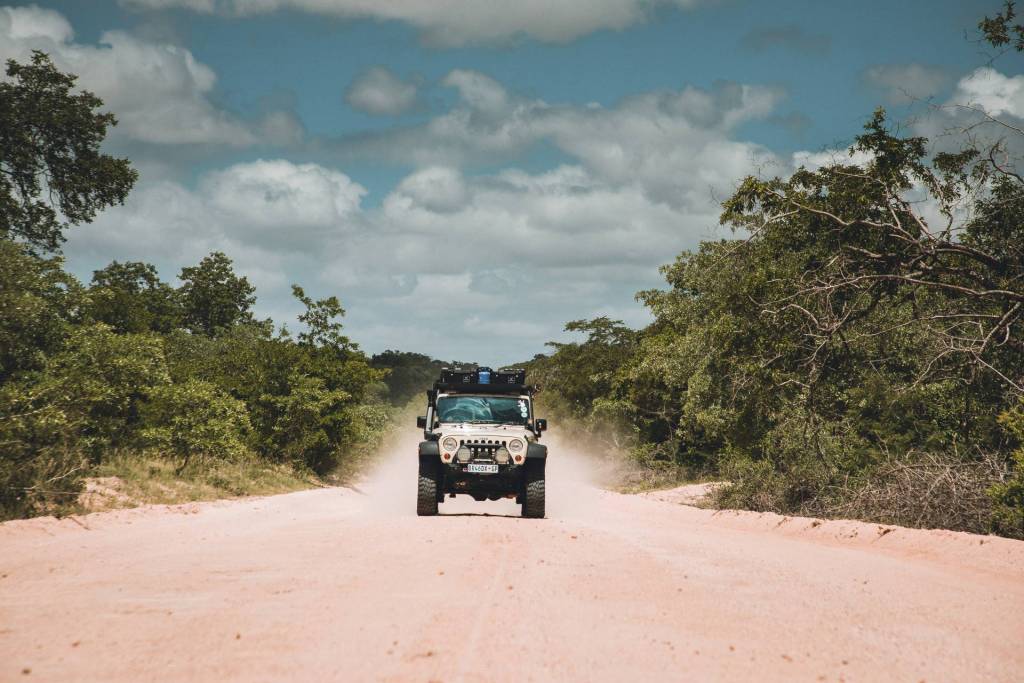
Stepping up to a traditional 4×4 for a safari brings you into the territory of vehicles like the Toyota Fortuner. It’s a true four-wheel-drive machine built on a rugged pickup (bakkie) chassis, offering generous ground clearance and 4×4 capabilities.
A 4×4 is widely considered the best car for game viewing because it lifts you high above the roadside bushes. This elevated seating position gives you a great advantage when trying to spot a leopard resting on a low tree branch – or the tip of an antelope’s horns poking above the vegetation.
A traditional 4×4 handles corrugated gravel loops much better than a standard SUV, though dropping your tyre pressure slightly is still the best trick to smooth out the ride. So, if you’re wondering whether you need a 4×4 for Kruger, it all depends on how much you love exploring the paths less travelled!
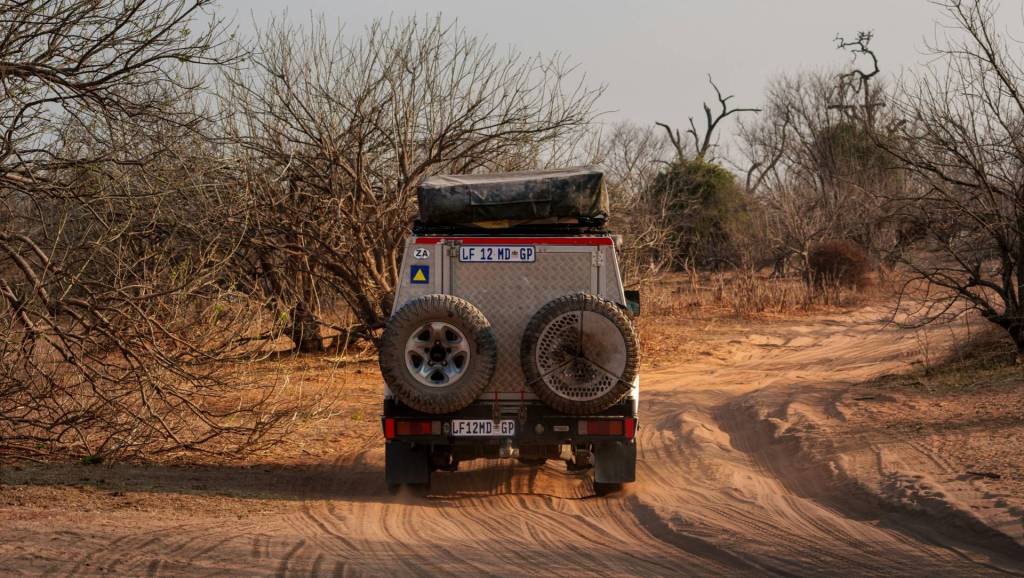
For the ultimate independent overlanding experience, there’s a clear distinction between a regular family 4×4 and a specialised safari model. A specialised vehicle, like a fully equipped Toyota Hilux Double Cab Camper, is an expedition-ready tool built specifically for life in the bush.
A standard rental vehicle features factory suspension and a single spare wheel. In comparison, a specialised safari build is fitted with upgraded heavy-duty overland suspension and two spare tyres. Getting a flat tyre in a remote area is a minor inconvenience when you have a second backup ready to go.
Specialised 4x4s also replace standard fibreglass canopies with secure, lockable aluminium canopies featuring automotive dust seals. This design keeps fine, powdery wilderness dust completely away from your camera gear and luggage.
These expedition models are also fitted with integrated long-range fuel tanks to eliminate fuel anxiety when you’re exploring deep wilderness tracks – far from the nearest camp filling station. For camping enthusiasts, these rigs double as mobile hotels, complete with dual battery systems to run a built-in fridge/freezer, integrated water tanks, and optional rooftop tents.
The vast size of Kruger means that road conditions vary between the commercial southern gates and the wild northern woodlands. Your vehicle choice should directly reflect the routes you want to explore.
The primary routes connecting the major southern rest camps, like Skukuza and Lower Sabie, are fully tarred. These well-maintained highways are perfectly suitable for a standard, two-wheel-drive SUV.
The iconic H4-1 road, which hugs the scenic Sabie River between Lower Sabie and Skukuza, is famous for incredible leopard and lion sightings. Driving a comfortable SUV on this smooth asphalt gives you an easy, relaxing introduction to the park.
Even after heavy rain, these major southern tarred channels remain clear and highly accessible. If you prefer a simple holiday sticking to the main roads, a regular passenger SUV will do the job perfectly.
The real adventure often happens when you turn off the tar onto the gravel “S-roads”. These dirt loops take you deeper into the ancient landscape, away from the busier main routes.
The famous S100 dirt loop near Satara is an exceptional route for spotting cheetahs and large prides of lions. However, these dirt routes are highly susceptible to weather changes, developing deep ruts and corrugated “washboards” after the rains.
Navigating these gravel loops in a low-clearance vehicle can quickly become an uncomfortable, bumpy chore. On the other hand, a high-clearance 4×4 can handle these demanding surfaces effortlessly, protecting both your back and your camera equipment from constant rattling.
Up north, the rewarding S50 near Shingwedzi and the spectacular Mahonie Loop (S99) near Punda Maria require even more careful driving. These wilder northern roads feature thicker bushveld and rougher terrain, where a sturdy 4×4 provides a major safety advantage.
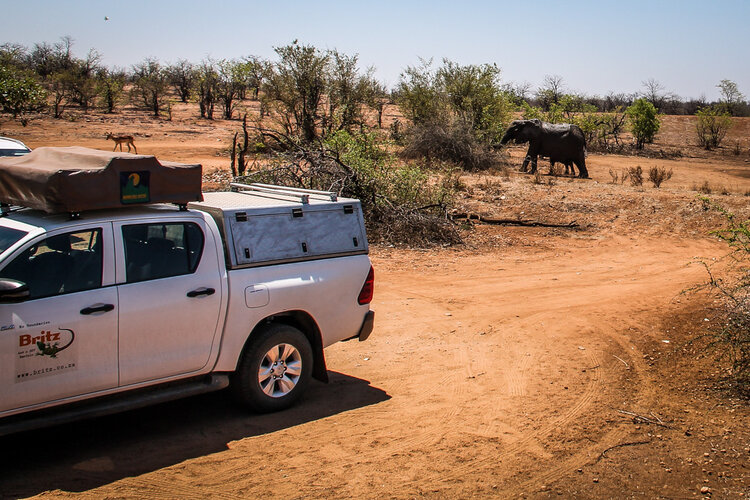
To make your final decision, look closely at your personal travel habits and who you’re travelling with.
If you’re travelling with young children or an extended family group, space and daily comfort are your highest priorities. A large, regular 4×4 like a Toyota Fortuner provides multiple rows of seating and plenty of legroom for long game drives.
This setup is ideal if you’re staying in comfortable chalets at established rest camps or luxury private lodges along the park perimeter. You’ll get the excellent viewing height needed for great photos – without the added weight of heavy camping gear.
If you love the romance of pitching a tent and cooking over an open fire, a specialised safari 4×4 is an excellent choice. These vehicles give you the total freedom to camp at any of the designated SANParks campsites, from the bustling south to the remote northern outposts.
Built-in refrigeration means your food and drinks will stay ice-cold for days, even when the afternoon sun gets intense. It’s the ultimate rig for overlanders who want to be completely self-contained while exploring remote picnic sites and quiet loops far from the crowds.
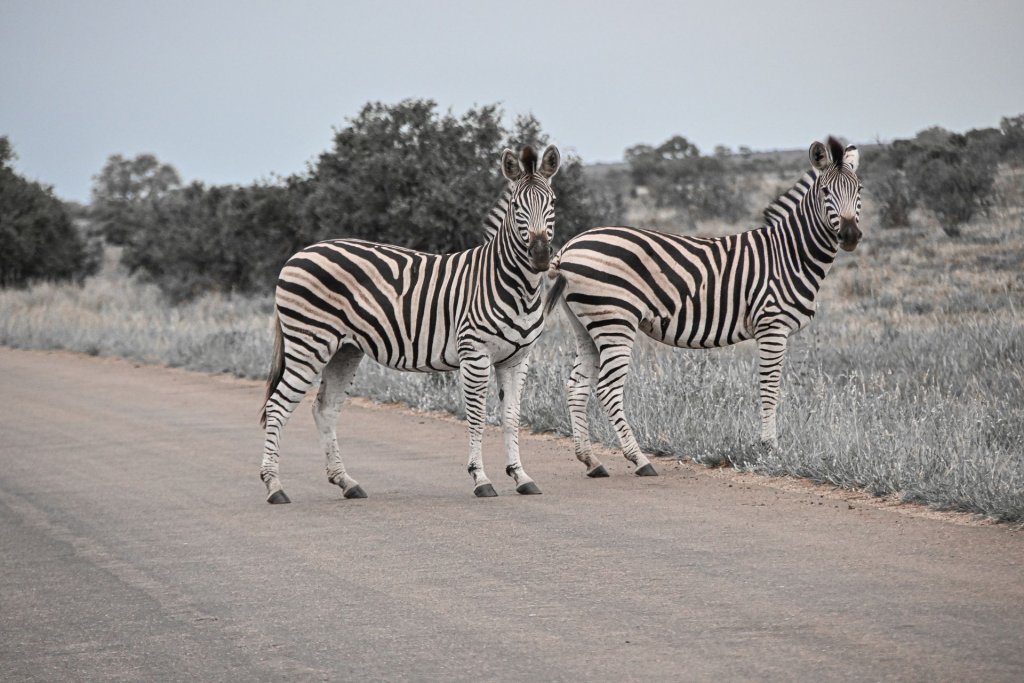
No matter which vehicle you select, a successful self-drive safari relies on respecting the environment and the animals. To keep everyone safe, you must strictly follow the official park regulations.
Always stay completely inside your vehicle, except at clearly designated picnic spots and fenced rest camps. Off-roading is strictly illegal, so you should never drive into the vegetation.
Be mindful of gate closing times, which change dynamically depending on the season. Lastly, carrying open alcohol in your vehicle or consuming it in public parking areas is completely banned.
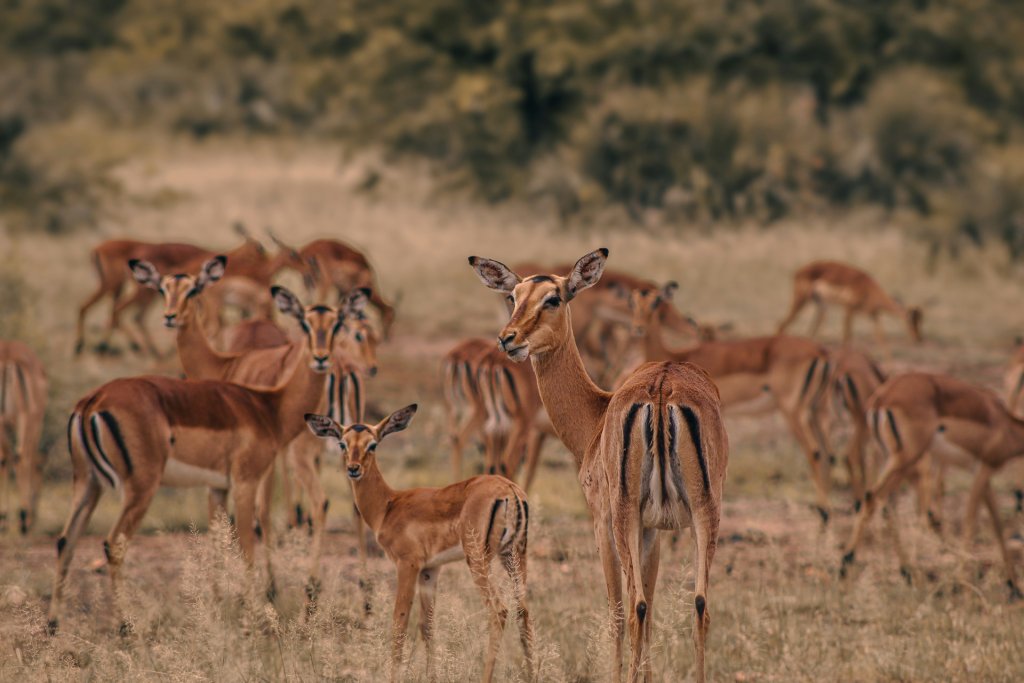
Kruger National Park is waiting to give you an unforgettable wilderness adventure. Whether you choose a comfortable SUV for the smooth tar or a specialised 4×4 to tackle the remote dirt tracks, preparing properly makes all the difference.
Enquire about our extensive vehicle hire options today to find the perfect match for your upcoming Kruger National Park safari.
Long before sunrise, a deep, resonant rumble drifts through the darkness. It’s the rainy season,...
4 September 2026
A Botswana green season safari offers one of Southern Africa’s most sensational wilderness transformations. Between...
1 September 2026
South Africa in August is a country of scenic contrasts. In the north, dry landscapes...
21 August 2026



Typically responds in under 15 minutes