

What It’s Like to Camp in a 4x4 Across Botswana’s Wilderness
Long before sunrise, a deep, resonant rumble drifts through the darkness. It’s the rainy season,...
 4 September 2026




Searching...
One of the best moments on a South African road trip is stopping by the beach to watch the whales. Seeing them surface just beyond the breakers is nothing short of spectacular. From winter into spring, the coastline of the Garden Route, South Africa, becomes a popular place to look for southern right whales, humpback whales, and other marine life.
Add dramatic cliffs, sandy beaches, indigenous forests, and charming coastal towns, and you have all the ingredients for an unforgettable Garden Route whale-watching adventure.
The Garden Route stretches along South Africa’s southern coast, with a popular self-drive route taking in destinations such as Mossel Bay, George, Wilderness, Knysna, Plettenberg Bay, and Storms River. This makes it easy to combine whale watching with a road trip, giving you the freedom to stop at coastal viewpoints and explore seaside towns.
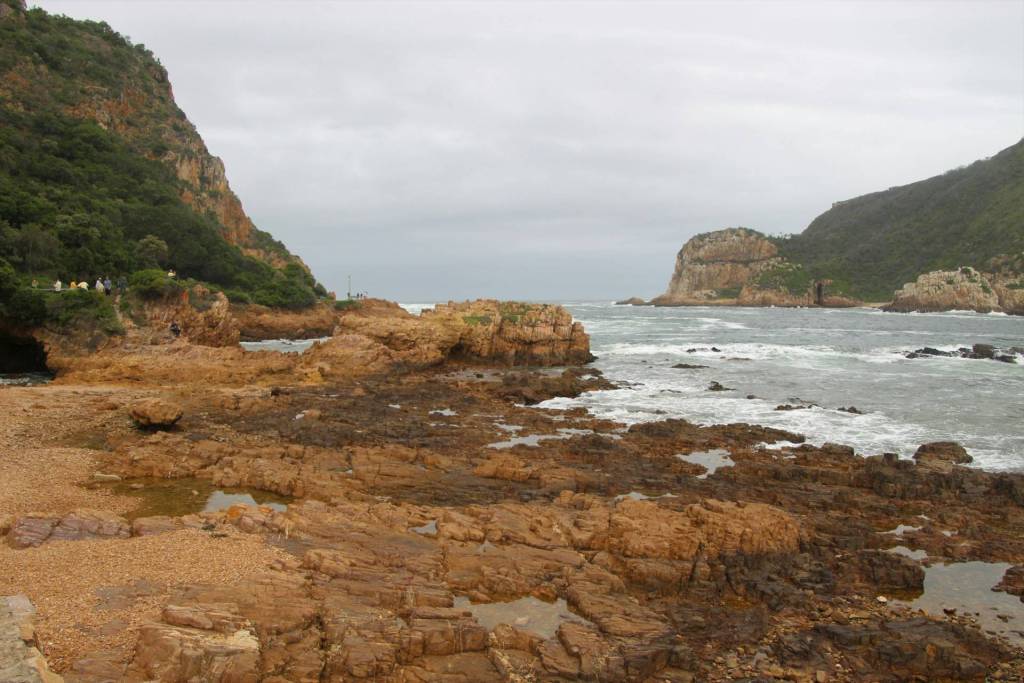
The Garden Route is known for its forests, fynbos, beaches, and mountain scenery, but its marine life is just as impressive. Southern right whales migrate from Antarctic feeding grounds to the warmer waters around South Africa, where they mate, calve, and raise their young. They can often be seen close to shore, making the Garden Route a rewarding destination for land-based whale watching.
Whale watching is also an experience that rewards patience. You might scan the ocean for several minutes without seeing anything, then suddenly spot a cloud of spray rising from the surface. A whale may roll back through the water, lift its tail or, if you’re lucky, breach.
That unpredictability is part of what makes whale watching in the Garden Route so memorable. You’re not visiting an enclosure where wildlife appears on schedule. You’re watching wild animals in their natural environment.
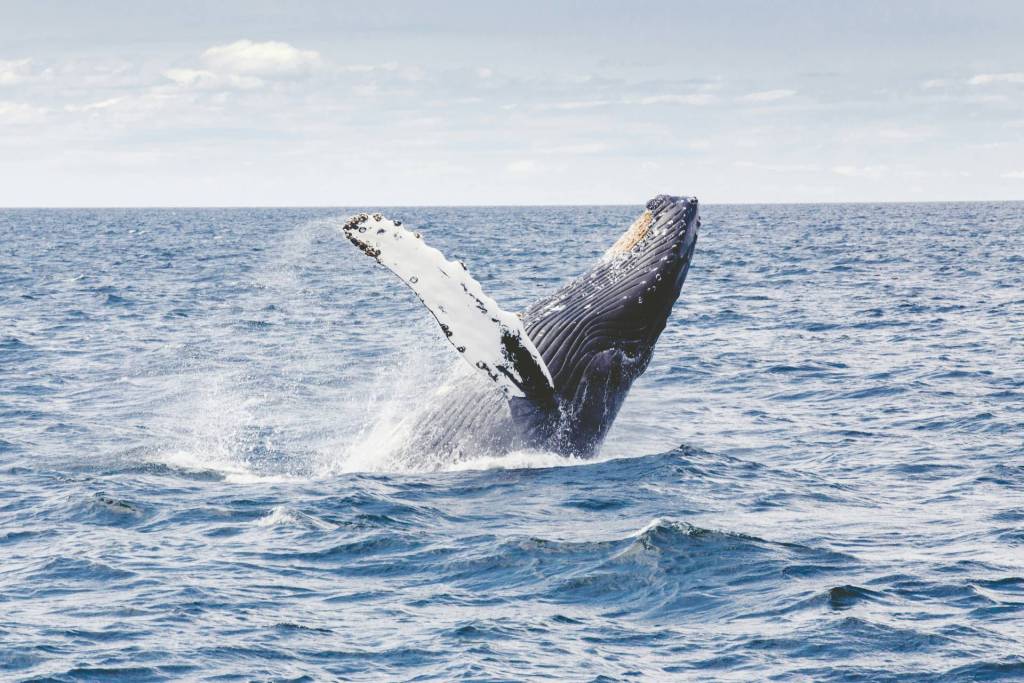
Several whale species and other marine life can be encountered along the Garden Route, although sightings vary according to the season, location, and ocean conditions.
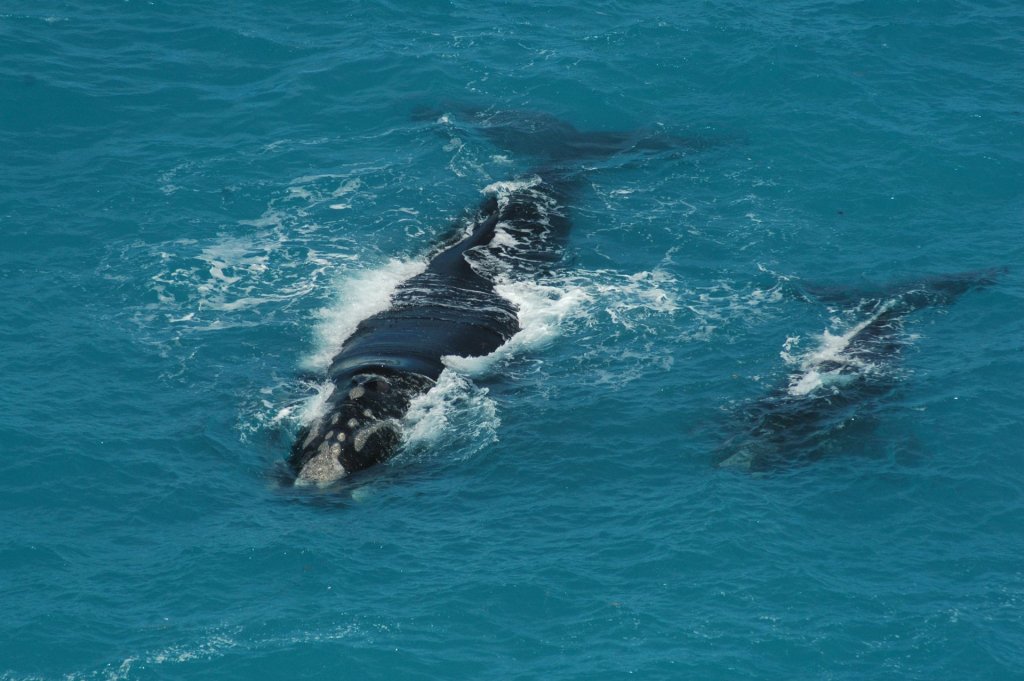
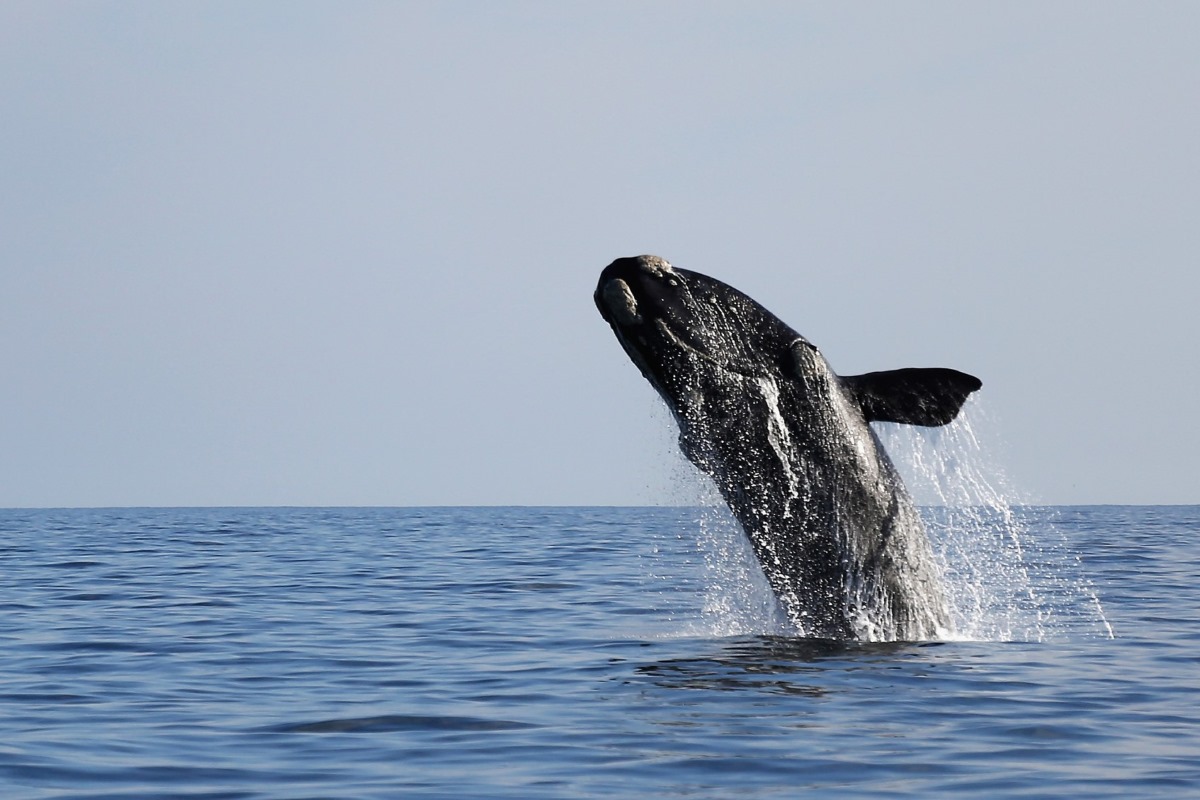
Southern right whales are the main seasonal attraction. They generally arrive in South African coastal waters from around June and can remain until November. The whales use these relatively sheltered waters for breeding, calving, and raising their young.
They are also well suited to land-based viewing because they can approach the coastline. Look for their distinctive blow, dark back, and broad tail as they surface.
Seeing a mother and calf travelling together can be one of the highlights of a Garden Route trip. Calves stay close to their mothers while they grow, making these encounters extra special.
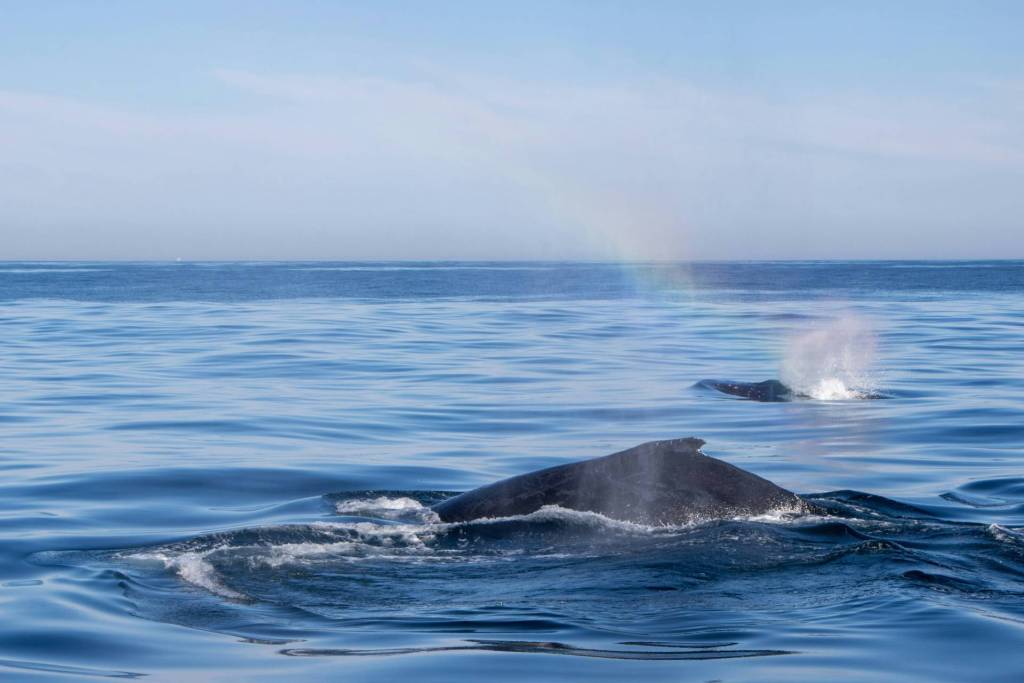
Humpback whales follow a different migration pattern. They may be seen around May and June, with sightings possible again on their return migration from about October to December.
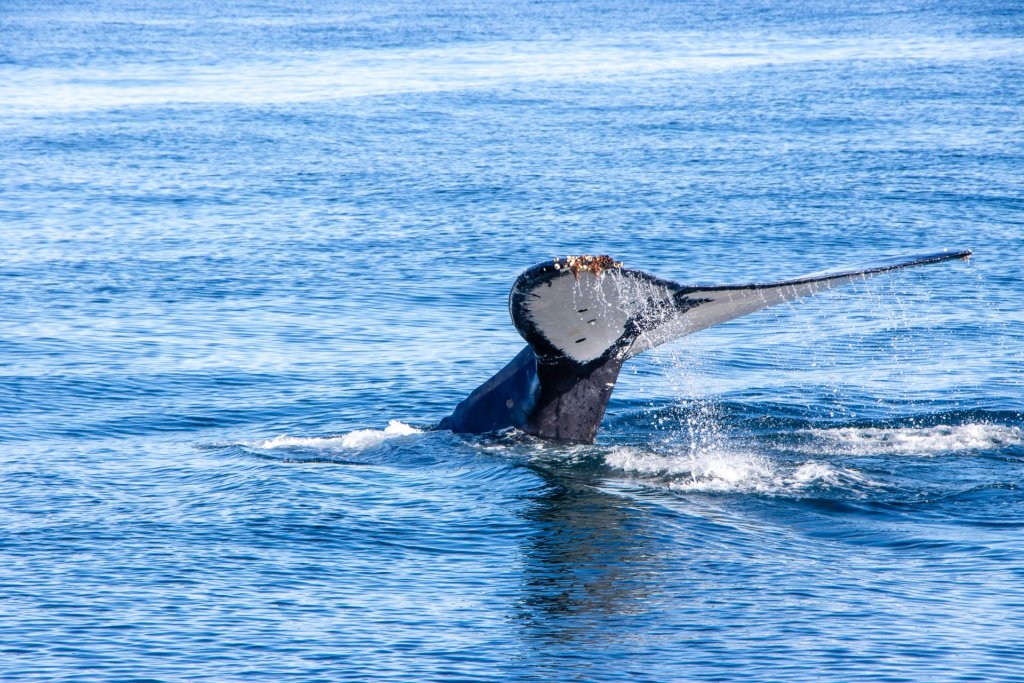
Humpbacks are famous for their energetic behaviour, including breaching and tail slapping. However, these behaviours are never guaranteed. So enjoy the experience even when a whale simply surfaces and disappears again.
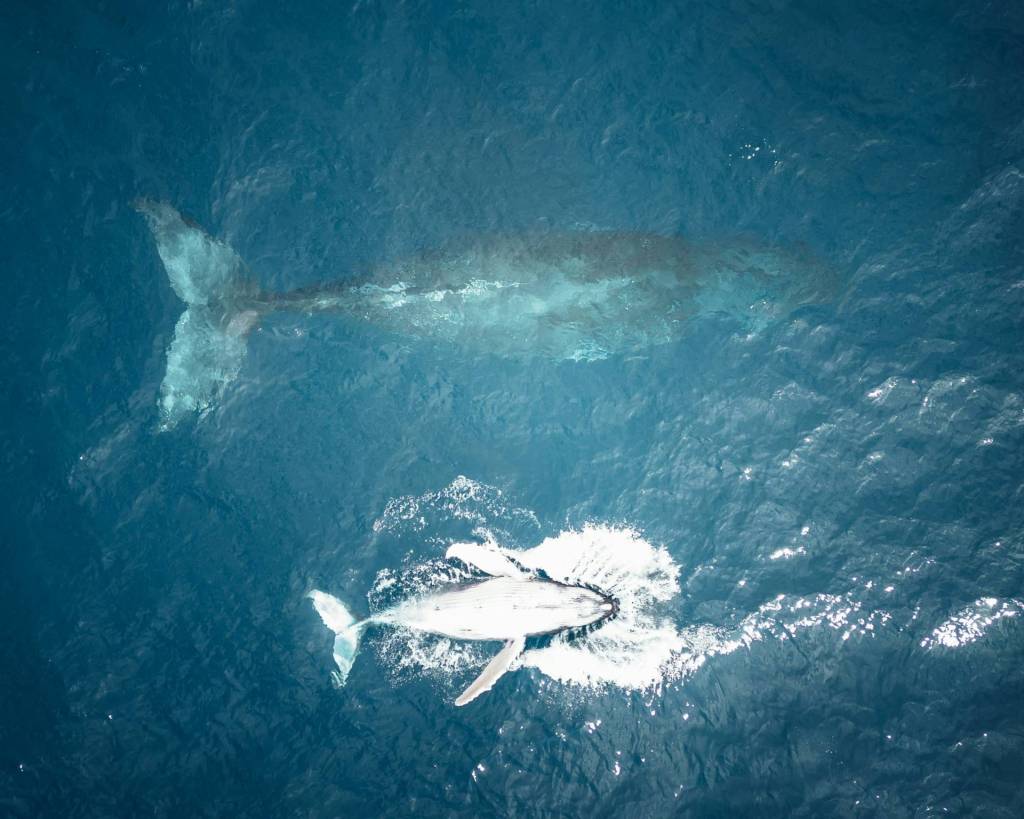
Bryde’s whales may be encountered in South African waters throughout the year. Orcas, also known as killer whales, are occasional visitors and are much less predictable sightings.
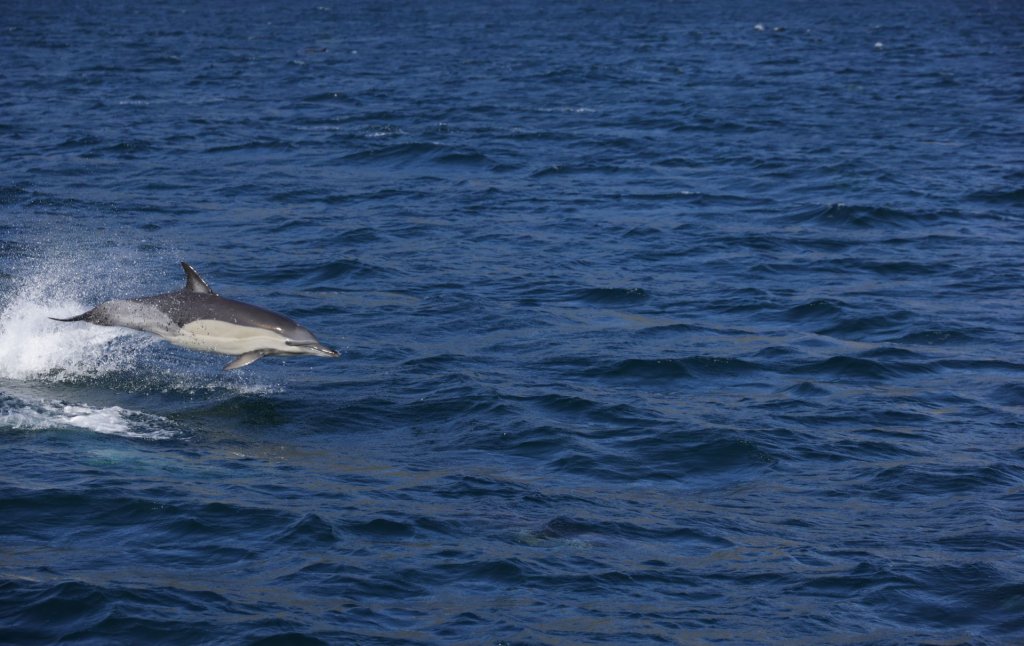
You may also see dolphins during your trip. Bottlenose and other dolphin species are present in the area throughout the year, adding to the variety of marine life you can encounter.
The South African whale watching season for southern right whales generally runs from June to November. If seeing these whales is a major reason for your trip, travelling between July and October gives you the best opportunity to find them along the coast.
September and October can be particularly appealing for travellers because they fall within the main southern right whale season, while also offering the chance to enjoy spring landscapes along the Garden Route.
Humpback whales follow a different migration pattern. They may be spotted around May and June and again during their return migration from about October to December.
It’s important to remember that whale watching is never guaranteed. Weather, sea conditions, and the movements of individual animals all affect what you will see. Give yourself enough time at each destination rather than planning your trip around one short viewing stop.
One of the advantages of a Garden Route road trip is the freedom to explore the coastline at your own pace. Several destinations provide opportunities for whale and marine wildlife viewing.
Some of these destinations include:
Mossel Bay is an important whale-watching destination on the western side of the Garden Route. The bay and St. Blaize Trail provide opportunities for land-based viewing.
If you want to get onto the water, Mossel Bay Boat Adventures operates an Eco Whale Safari from Mossel Bay Harbour. The trip searches for whales, dolphins, sharks, seals, and other marine life. The tour lasts between 45 and 90 minutes, depending on sightings and weather conditions.
Wilderness is another scenic place to look for whales from land. The coastline around the town offers elevated views over the ocean, giving you a chance to scan the water without joining a boat trip.
The area also makes a good stop on a self-drive itinerary because the N2 runs close to the coast, and the Wilderness section of Garden Route National Park is accessible from the surrounding road network.
Knysna is a popular base for exploring the central Garden Route. The coastline around the Knysna Heads and Brenton-on-Sea cliffs provides scenic opportunities for marine wildlife viewing, while the town itself is well placed for exploring the forests, lagoon, and surrounding coastline.
Travelling by rental car gives you the flexibility to spend a few days exploring rather than rushing through on a single whale-watching stop.
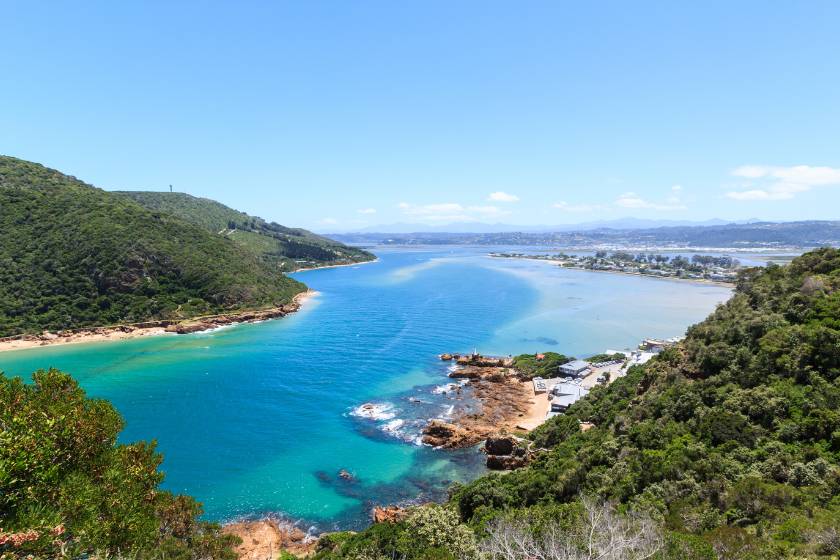
Plettenberg Bay is one of the Garden Route’s best-known marine wildlife destinations. Its coastline offers opportunities for land-based viewing, while boat-based wildlife excursions provide a different perspective on the ocean.
Robberg is particularly worthwhile for its dramatic coastal scenery and ocean views. Beacon Island and Keurboomstrand are also fantastic spots for land-based whale watching. It can be a good place to keep an eye on the water during whale season, although sightings depend on the movements of the animals and sea conditions.
Plettenberg Bay is one of the best places from which to go on a whale-watching boat adventure. Licensed close-approach operators can approach within 50 m of whales.
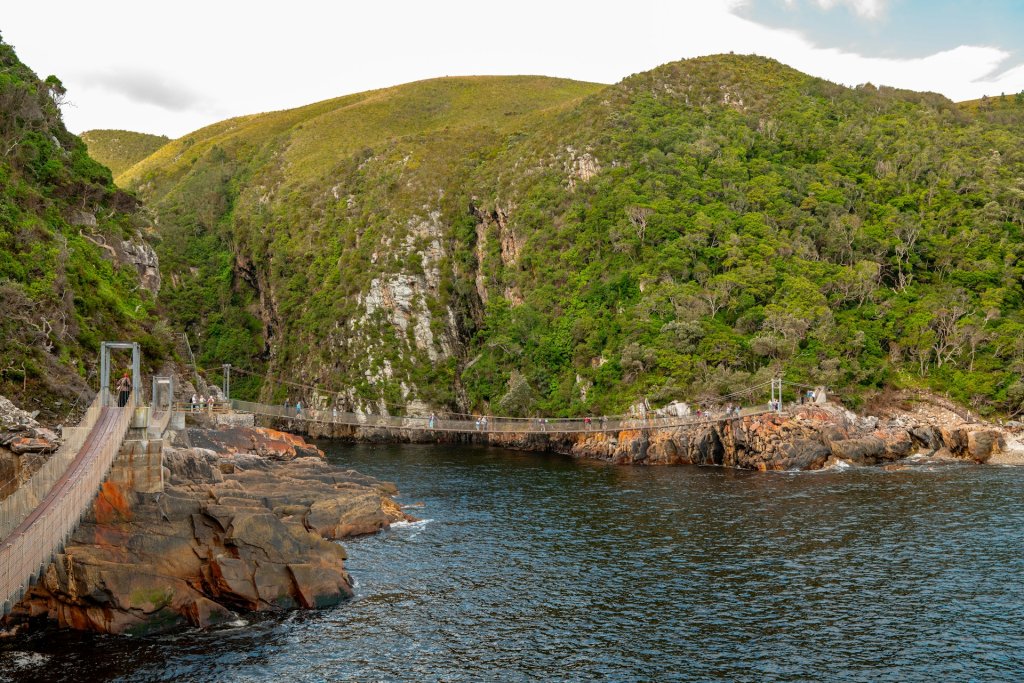
As you continue east, the Tsitsikamma coastline brings another dramatic section of the Garden Route into view. The Tsitsikamma section of Garden Route National Park includes around 80 km of rocky coastline and is known for its rich marine and coastal environment.
Garden Route National Park is divided into Wilderness, Knysna, and Tsitsikamma instead of being one continuous park. This distinction is useful when planning your route and choosing where to stop.
One of the best things about a self-drive Garden Route whale watching holiday is that you don’t have to choose just one way to experience the whales.
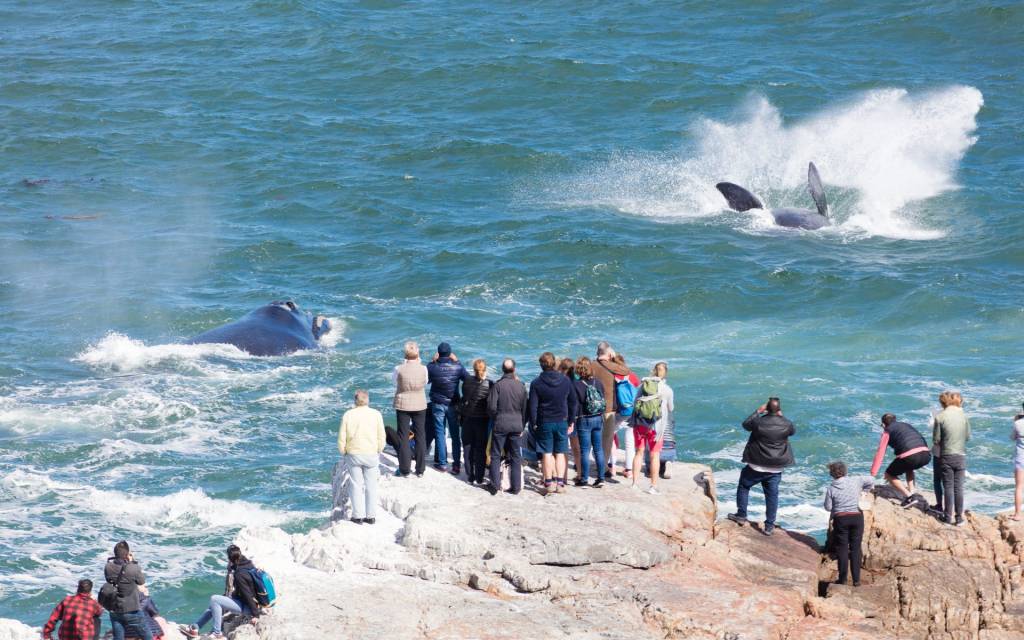
Seeing the whales on land is a flexible and easy stop to add to a road trip. Pull into a coastal viewpoint, find a safe place to stop and scan the water for blows, backs, and tails.
Bring binoculars if you have them. A warm jacket may also be useful because coastal weather can change quickly, even when the day begins with clear skies.
The biggest advantage here is freedom. You can spend 10 minutes watching the ocean or stay for an hour if the whales are active. There is no fixed departure time and no need to travel offshore.
A boat trip puts you directly on the water and gives a completely different perspective.
Your operator will provide safety instructions and the required safety equipment before departure. Once offshore, the crew searches for whales and other marine animals while following marine-wildlife regulations. Trips are weather dependent, and the length and exact route vary between operators.
Wear warm, weatherproof clothing and protect cameras and phones from spray. Most importantly, choose a responsible operator that respects wildlife and follows the relevant marine regulations.
If you have enough time, doing both land and boat-based viewing is an excellent way to experience the Garden Route from different perspectives.
You don’t need a 4×4 specifically for whale watching. A standard rental car is suitable for most main roads and coastal stops along a typical Garden Route itinerary.
For a typical Garden Route road trip, a compact or economy car can be a practical choice if you are travelling light and staying mainly on paved roads. An SUV can be useful if you want more luggage space, extra comfort or plan to include gravel roads and other outdoor activities in your itinerary.
The key is to choose a vehicle based on your full itinerary rather than just the whale watching itself.
If you’re planning to explore gravel roads or more remote areas, check the road conditions and rental agreement before setting off. Some routes may have specific vehicle requirements, and conditions can change. SANParks lists several gravel roads within Garden Route National Park, including the route towards Diepwalle.
For a self-drive Garden Route whale watching trip focused on the main coastal towns and viewpoints, you generally don’t need the added cost or capability of a 4×4.
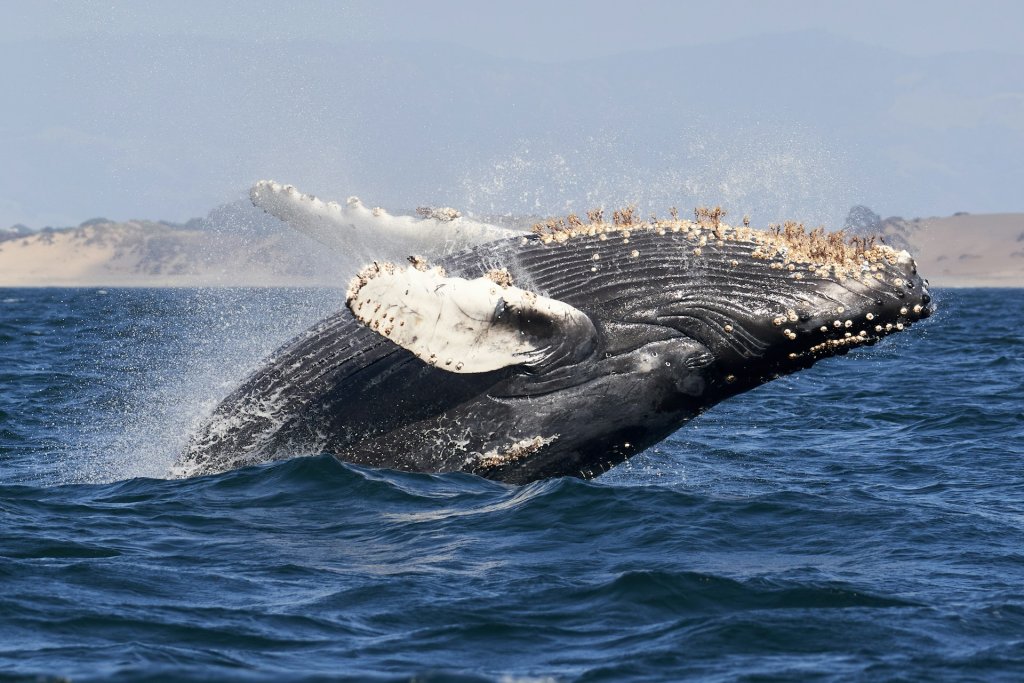
The real appeal of Garden Route whale watching is that it fits naturally into a self-drive holiday. You can spend the morning travelling through an indigenous forest, stop for coffee in a coastal town, and finish the afternoon scanning the Indian Ocean for a whale.
From Mossel Bay and Wilderness to Knysna, Plettenberg Bay, and Storms River, the Garden Route offers several ways to experience South Africa’s marine wildlife.
So pack your binoculars, choose a vehicle that suits your route, and leave some room in your itinerary for the unexpected. You never know when the next whale will surface just beyond the breakers.
Long before sunrise, a deep, resonant rumble drifts through the darkness. It’s the rainy season,...
4 September 2026
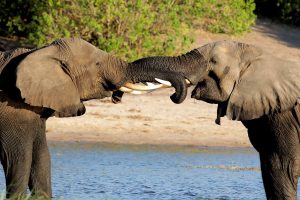
A Botswana green season safari offers one of Southern Africa’s most sensational wilderness transformations. Between...
1 September 2026
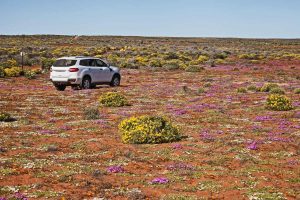
South Africa in August is a country of scenic contrasts. In the north, dry landscapes...
21 August 2026



Typically responds in under 15 minutes