The Ultimate South Africa Border Crossing Guide: Process, Fees, and New SARS Rules
Hitting the open road for an African overland safari is the ultimate dream for many travellers, but the reality of navigating your first South African border crossing can quickly stall your momentum.
First-time overlanders in Southern Africa frequently face intense logistical friction – from confusing paperwork and shifting cross-border rules to intimidating border posts. It’s easy to feel overwhelmed by the bureaucracy before you even reach the gates.
Fortunately, crossing international boundaries doesn’t have to be a stressful ordeal if you’re equipped with the right blueprint. This comprehensive South Africa border crossing guide will walk you through the entire process, from regional tariffs to the latest June 2026 digital customs requirements, so you can spend less time in queues and more time enjoying your self-drive safari.
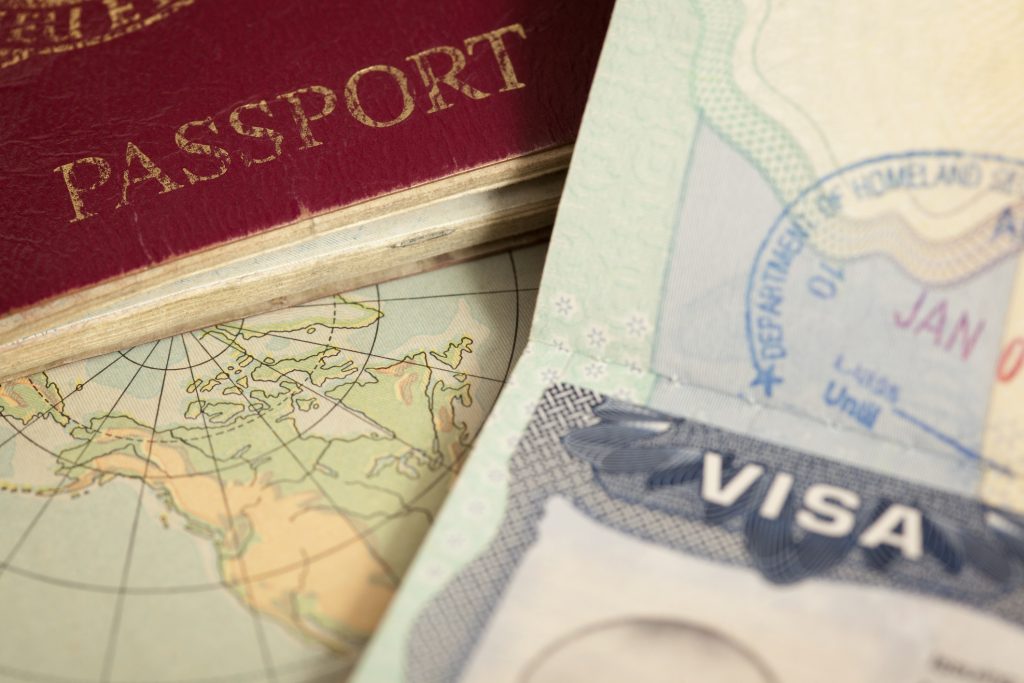
Proceed directly to the immigration counter to get your passport reviewed and stamped. | Photo: iStock
Understanding the Border Post Process: Step-by-Step
Large regional hubs like Vioolsdrif (the primary checkpoint for Namibia) and Martin’s Drift (crucial for Botswana) can appear chaotic at first glance. These crossings usually consist of two separate complexes separated by a strip of no-man’s-land – one side for South African authorities and the other for the neighbouring country.
Whether you’re exiting or entering a country, the administrative sequence remains identical. Follow this South African overland step-by-step travel guide to navigate the physical layout:
Secure Your Gate Pass: As you drive through the main vehicle entrance gate, the guard will issue you a slip of paper known as a gate pass. Write your vehicle registration number on it. This slip must be stamped at every subsequent counter inside the terminal.
Immigration: Park your vehicle in the designated bays and walk into the main terminal building. Proceed directly to the immigration counter to get your passport reviewed and stamped.
Customs Desk: Move to the Customs counter for vehicle clearance. Here, you’ll present your vehicle paperwork to get your gate pass signed or stamped by the customs official.
Final Gate Guard: Return to your vehicle and drive toward the exit gate. Hand your fully stamped gate pass to the final guard to be allowed through into no-man’s-land. You’ll then repeat this entire sequence on the opposite country’s side.
Expert Tip: Keep a pen in your pocket! There are never enough pens at immigration counters, and having your own will save you precious time.
Lock your vehicle when you step away to navigate the counters. | Photo: Unsplash
Advice on Border Dynamics and Safety
Arriving at a bustling boundary requires the right mindset. At busier crossings – most notably the notorious Beitbridge entry point into Zimbabwe – independent “runners” will likely approach your window or tap you on your shoulder. They’ll confidently offer to fast-track your paperwork or help you jump the queues for a fee.
Our definitive advice is to politely decline their services. Keep your documents firmly in your hand, lock your vehicle when you step away, and navigate the counters yourself to maintain complete security over your personal information. Border officials prefer dealing directly with the traveller, and managing the steps yourself is the safest, most reliable option.
All vehicles crossing South African borders must be pre-declared online. | Photo: Unsplash
Mandatory 2026 SARS Rules for Cross-Border Travel
If you’re planning on driving across South Africa’s border posts, you must comply with important digital updates from the South African Revenue Service (SARS).
The June 2026 Rule: All vehicles crossing South African borders must be pre-declared online using the SARS Traveller Management System (TMS) to obtain a digital reference number prior to arrival.
SACU Countries Aren’t Exempt: This digital regulation applies to all foreign-registered vehicles, including those originating from neighbouring Southern African Customs Union (SACU) countries like Namibia, Botswana, Lesotho, and Eswatini.
The Temporary Import Permit (TIP): Compliant foreign-registered vehicles will be issued a digital Temporary Import Permit (TIP) at the border. This permit is free of charge and valid for up to six months for multiple entries and exits.
How to Apply: You can complete your digital declaration up to 24 hours before your trip via the SARS website portal or by downloading the South African Traveller Management System (SATMS) mobile application.
Additionally, all individual travellers entering or leaving South Africa must complete their personal customs declarations online through the same platform, completely replacing the old manual paper cards. Make sure you speak to your rental consultant about all vehicle paperwork before you depart!
An International Driving Permit is highly recommended. | Photo: Getty
Legal Car Requirements When Crossing a Border
To pass through customs smoothly, your vehicle must meet strict legal requirements:
ZA Sticker: If you’re travelling from South Africa across borders, your vehicle must bear a clear, official ZA sticker on the rear.
Vehicle Registration and Licence Papers: You must carry a certified copy of the vehicle registration documents. If the vehicle is financed or rented, a police affidavit providing explicit permission from the rental company or financial institution indicating your specific travel dates is mandatory. Both documents must be signed by a Commissioner of Oaths.
Letter of Authority for Rentals: If you choose a cross-border car hire in South Africa, your rental company must provide an official cross-border permit or letter of authority. You don’t need separate police clearance for this.
International Driving Permit (IDP): While your domestic driver’s licence is widely recognised across the region, an IDP is highly recommended and becomes mandatory if your licence is printed in a language other than English.
Country-Specific Vehicle Gear and Stickers
Zimbabwe Reflective Tape: Zimbabwe law requires two small white rectangular reflective strips on the far left and right sides of the front bumper, and two small red square strips on the far left and right sides of the rear bumper (and trailer, if towing).
Mozambique Warning Triangles: If you’re towing a camper or a trailer, a set of two yellow and blue warning triangle stickers is legally required – one placed on the front bumper of your vehicle and the other on the rear of the trailer.
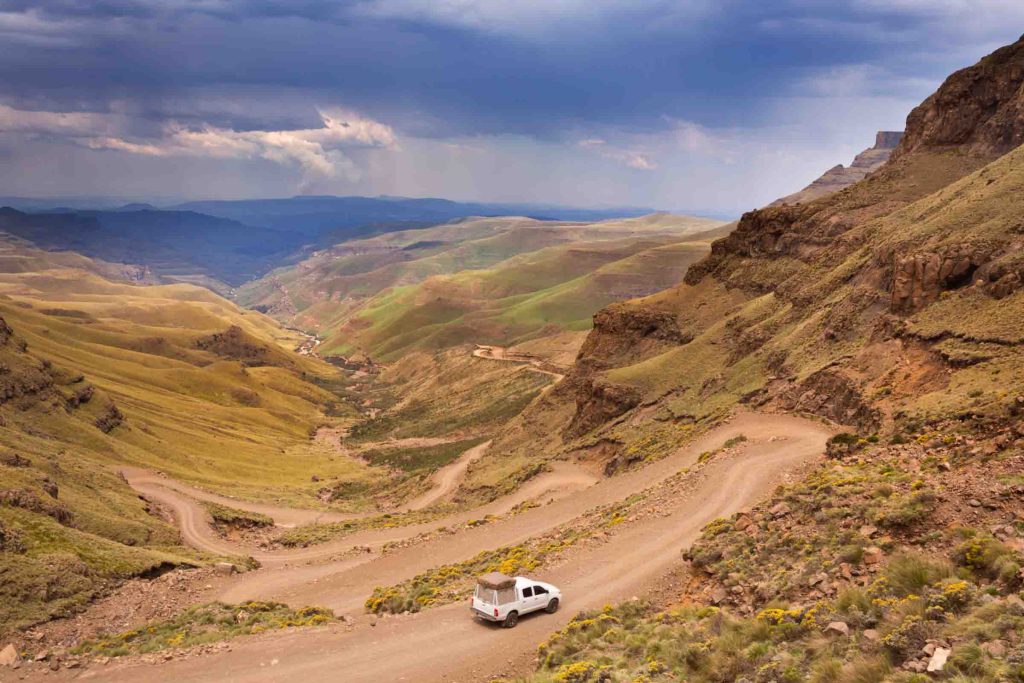
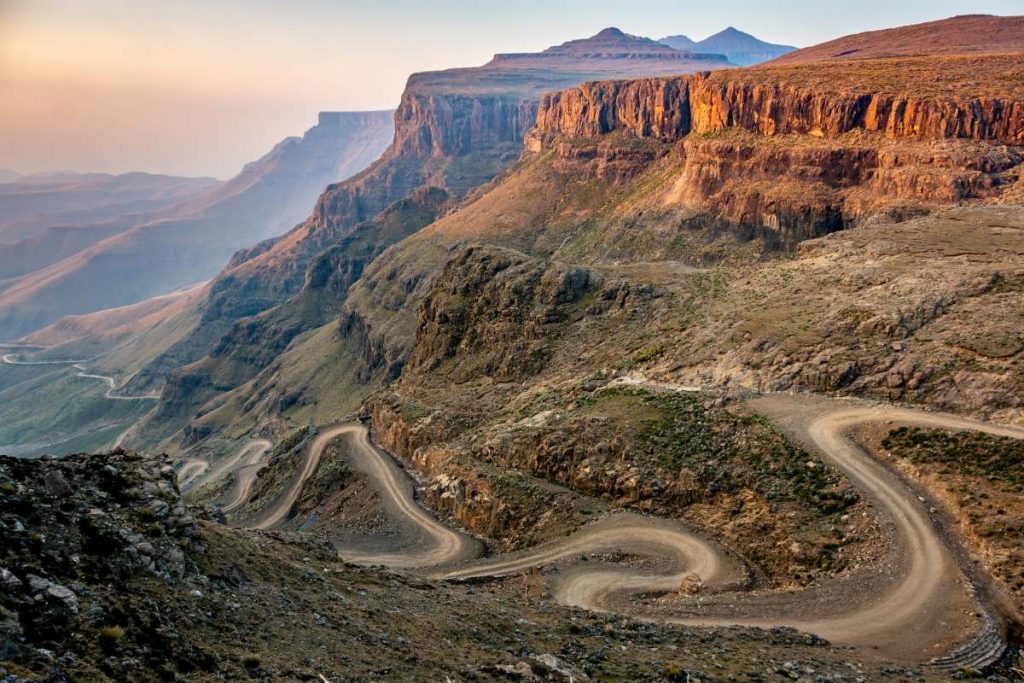
Sani Pass between South Africa and Lesotho. | Photo: Getty
Regional Border Crossing Guide
Here is a breakdown of costs, rules, and operating hours for South Africa’s neighbouring borders.
Namibia-South Africa Border Crossings
Expected Entry Costs: Road users’ fee is R220 for a normal passenger car, plus R140 for a trailer or camper.
Payment Methods: South African rand (ZAR), Namibian dollars (NAD), or major credit cards. Always carry physical cash as back-up in case card terminals are offline.
Namibia Border Checkpoints:
Oranjemund / Alexander Bay — Hours: 06:00 – 22:00 | Contact: +27 (0)831 1662
Base Entry Fees (Standard Vehicle): Budget approximately P160 for a complete return trip across the checkpoints (P180 if you are towing a trailer).
Entry Fees: P50 single entry / P90 return trip
Road Fund Tax: P20 per vehicle (valid for one calendar year; disc must be displayed on your window)
Third-Party Insurance: P50 (valid for 90 days)
Trailer Tax (If applicable): P20 per trailer
Agricultural Restrictions: Strict foot-and-mouth disease protocols are enforced. No fresh fruits or vegetables may be brought into Botswana. Private-use red meat is capped at 25 kg per family (requires an import permit), and poultry is capped at 5 kg per person. No fresh pork is allowed, and only commercially canned or fully processed pork products may pass customs.
In Botswana strict foot-and-mouth disease protocols are enforced. | Photo: Getty
Zimbabwe-South Africa Border Crossings
Ensure you have US dollars (USD) or South African rand (ZAR) cash ready to settle these entry tariffs:
Third-Party Insurance: Compulsory. Obtainable at the border for R225 or pre-purchased via an AA Accredited Sales Agent.
Road Access Fee: Paid on entry. R60 for a small sedan / R270 for a large 4×4.
Beitbridge Border Post Fee: R100.
Exit Pass: R70 at each exit.
Carbon Pollution Tax: R60 to R270 depending on engine capacity (valid for 30 days).
Zimbabwe Border Checkpoints:
Beitbridge / Beitbridge — Hours: Open 24 Hours | Contact: +27 (0)15 530 0070 | Note: A separate Police Clearance Certificate is required for vehicles and trailers if you utilise the Chirundu Border Post further north.
Ensure you have US dollars or South African rand cash ready at the Beitbridge Border Post. | Photo: Unsplash
Mozambique-South Africa Border Crossings
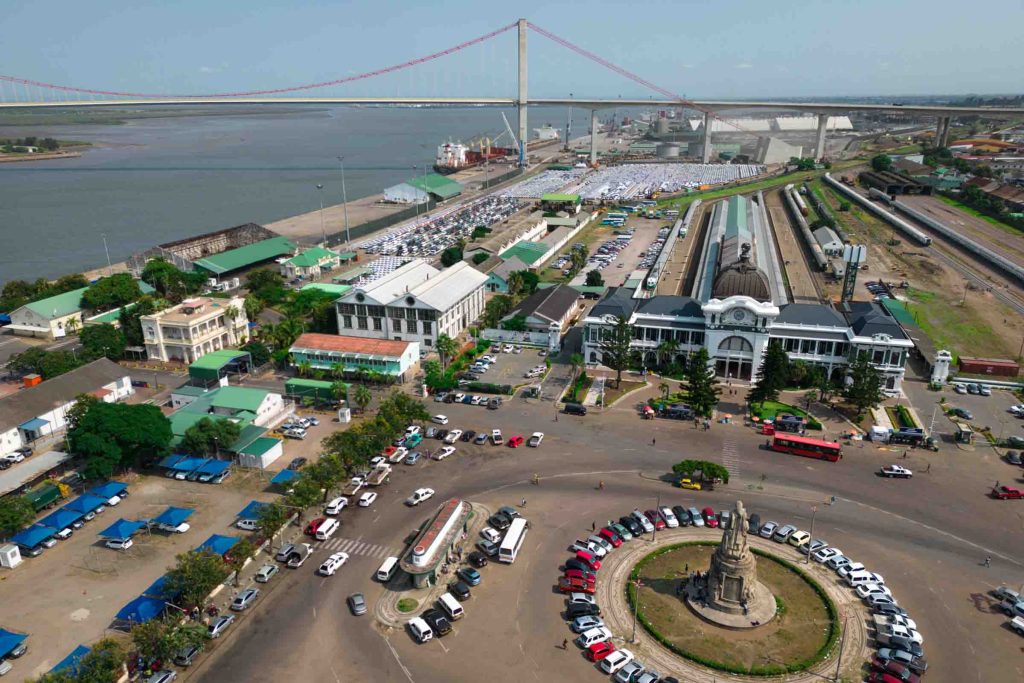
Temporary Import Permit: Compulsory for the vehicle; approx. R15 payable in Mozambican Meticais (MZN).
Third-Party Insurance: Compulsory. Approx. R160 (valid for 30 days) via AA Accredited Sales Agents.
Immigration Fees: R17.50 per person.
Declaration Form for Vehicle: Approx. R50. ZAR is widely accepted alongside Meticais along southern Mozambican travel routes.
Van Rooyen’s Gate / Van Rooyen’s Gate — Hours: 06:00 – 22:00 | Contact: +27 (0)51 583 1525
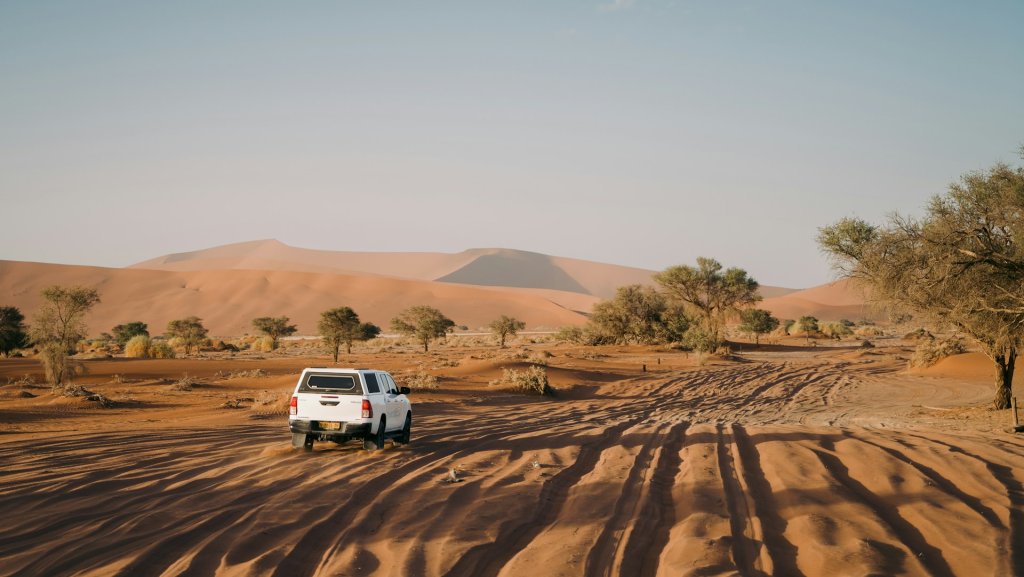
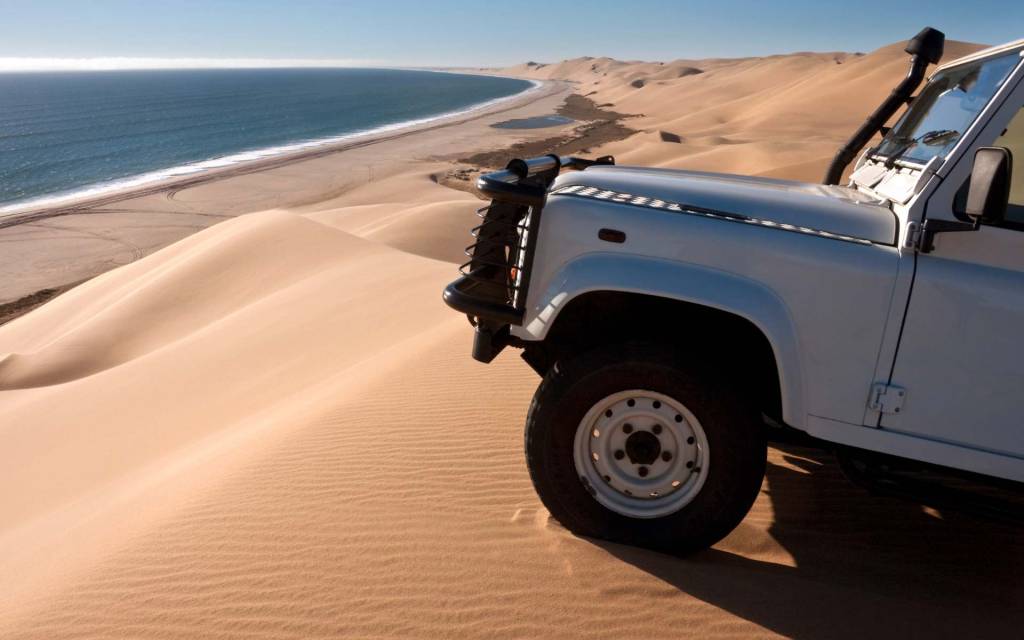
Driving through the Namib Desert. | Photo: Getty
Expert Tips for a Seamless Crossing
Navigating border posts smoothly comes down to organisation, patience, and clear procedures. Keep these tips in mind:
Organise Your Files: Keep all original documentation, passports, certified copies, and cross-border letters grouped securely inside a dedicated travel folder to prevent unnecessary loss and anxiety.
Smile and Stay Patient: Always be polite and cooperate fully with border officials. A friendly attitude ensures the procedure goes smoothly without causing friction.
Request Maximum Days: Always ask for the maximum number of holiday days possible. If you end up stuck in a remote area with a flat tyre or a mechanical delay, you won’t risk overstaying your permit limits.
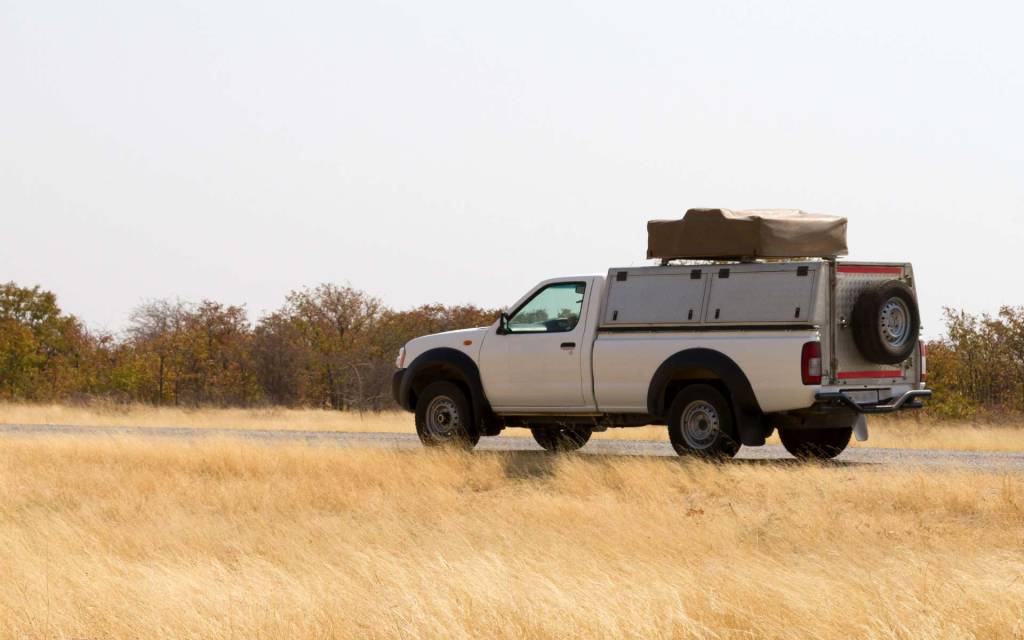
Always ask for the maximum number of holiday days possible on your permit. | Photo: Getty
Ready to Begin Your Journey?
Navigating across South Africa’s borders is a seamless process when you are equipped with the right preparation and documentation.
Enquire now about our cross-border car hire options in South Africa to find the ideal car, camper, or 4×4 for your upcoming journey. Our expert team is ready to guide you through the logistics, ensuring your road trip is smooth from booking to the open road.