

How to Approach Deep Water Crossings in a 4x4
Standing at the edge of a flooded trail with your engine idling, you watch muddy...
 12 October 2026




Searching...
From towering red dunes and wildlife-rich national parks to remote rivers and dramatic desert landscapes, camping in Namibia is easily one of Africa’s most unforgettable self-drive adventures. With vast open spaces, excellent wildlife viewing, and some of the continent’s most scenic campsites, Namibia is a dream destination for overlanders.
Before you browse the Drive South Africa Namibia 4×4 hire page, you’ll need to figure out where you’re going. That’s why we’ve compiled a list of the very best camping in Namibia experiences you can enjoy.
Whether you want to unwind in natural hot springs or visit incredible Namibian landmarks like the Fish River Canyon or Spitzkoppe, we’ve included something for everyone.
Before setting off on your Namibia adventure, you can collect your fully equipped 4×4 in Windhoek. This is the ideal starting point for a circular Namibia itinerary and one of many convenient pick-up points for your Drive South Africa 4×4 rental.
Ready to begin your journey? Here’s our guide on where to go, when to visit, and what you can expect to see.
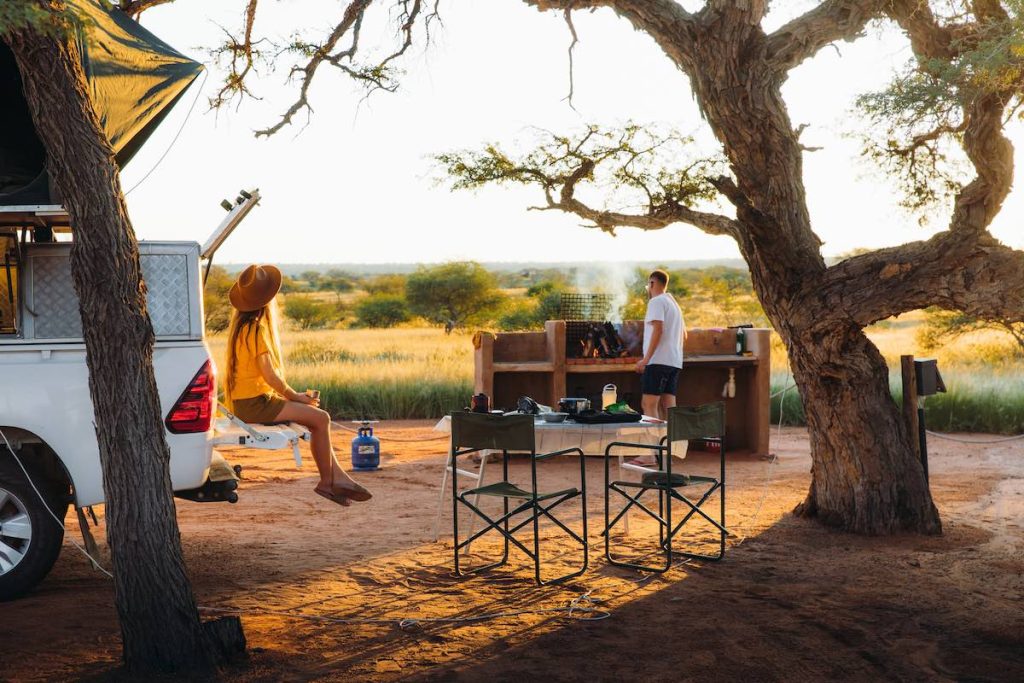
From wildlife-rich national parks to remote desert landscapes, these campsites have been selected for their location, facilities, and unique experiences.
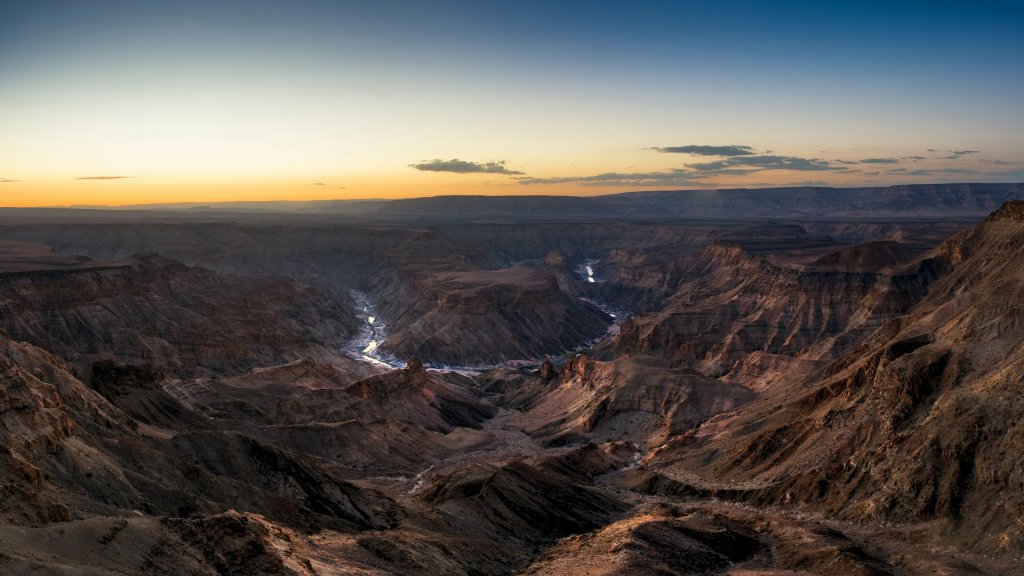
Travellers come from all over the world to see the Fish River Canyon, the second-largest canyon in the world. What many don’t know, however, is that you can camp just a few kilometres away.
The Hobas Campsite offers shaded campsites, chalets, a restaurant, a shop, a swimming pool, and basic facilities. It’s particularly popular with self-drive travellers because of how close it is to the canyon’s main viewpoints. Each site has electricity and water, so whether you plan to take on the four-to-five-day hiking trail or simply watch the sun rise over the chasm, there’s no better place to make your base camp.
Recommended route: Windhoek – Keetmanshoop – Hobas (approximately 580 km).
Traveller tip: Fill up with fuel in Keetmanshoop before continuing south, as services become limited closer to the canyon.
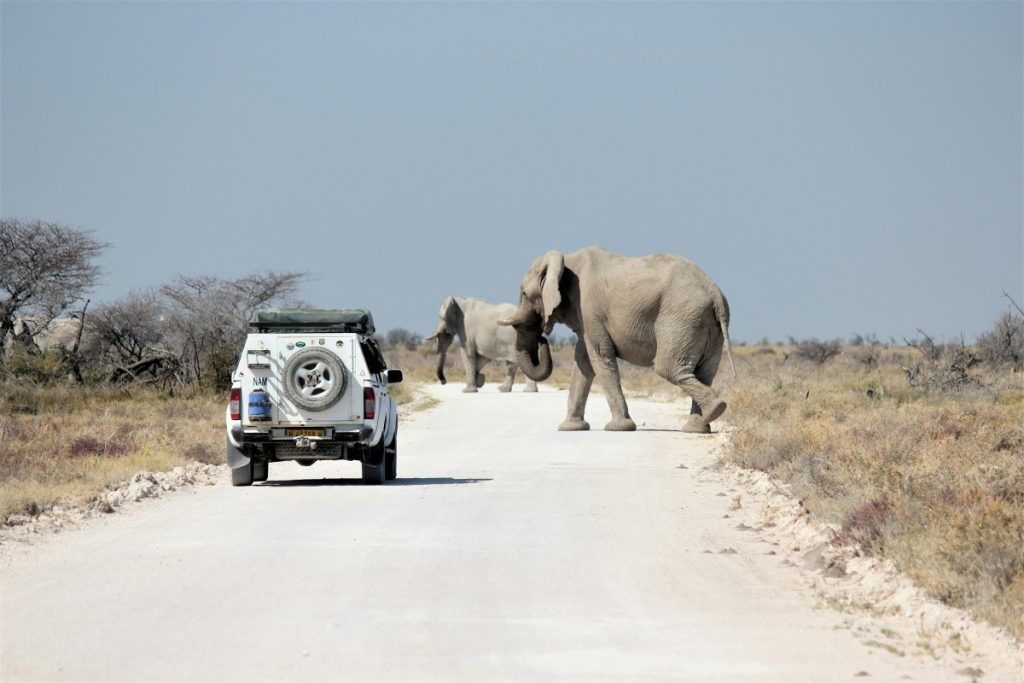
Further north in Namibia, the landscape transitions from desert to salt pans in Etosha National Park. Aside from the threatened black rhino, it’s also home to lions, leopards, and the tallest elephants in Africa.
Many travellers opt for self-drive 4×4 adventures in Etosha National Park. The campsite has 10 sites with electricity and fire pits, along with hot showers, a small kiosk, an interpretation centre, and a two-storey wildlife hide overlooking a waterhole.
For travellers looking for something that offers a little bit more, Okaukuejo, Halali, and Namutoni also offer official campsite restaurants and fuel stations, making them some of the most popular Namibia safari camps.
Recommended route: Spitzkoppe – Kamanjab – Galton Gate – Olifantsrus (approximately 500 km).
Traveller tip: Wildlife viewing is usually best during the dry season from May to October, when animals gather around waterholes.
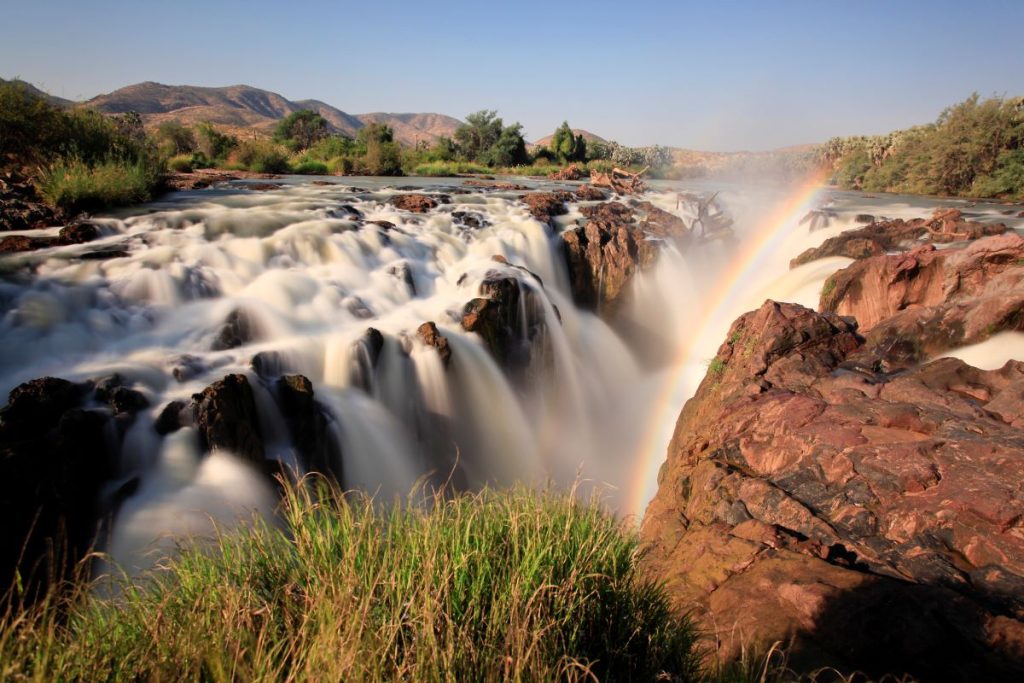
Even further north than Etosha, right on the border with Angola, you’ll find a place where the Kunene River cascades down into Kaokoland. Epupa Falls is one of Namibia’s most underrated attractions, comprising several waterfalls and rapids along a 1.5 km course.
Countless 4×4 enthusiasts brave a difficult journey to get to the falls each year. Despite the tough terrain, the Epupa area is home to the semi-nomadic Ovahimba and several other indigenous peoples. The waterfalls make for an incredible photo opportunity, with baobabs and makalani palms framing them on all sides, and it’s also a great destination for camping in Namibia.
Epupa Falls Lodge and Campsite is the oldest accommodation in the area and features six campsites and a half-board lodge. The campsites sit along the riverbank, giving you an exclusive view of Epupa Falls. The lodge also offers activities like Himba village experiences, river walks, and a sunset experience.
Recommended route: Etosha National Park – Opuwo – Epupa Falls (approximately 420 km from Okaukuejo).
Traveller tip: The final stretch to Epupa Falls can be remote and corrugated. A high-clearance 4×4 is recommended, and travellers should avoid driving after dark.
Groot Spitzkoppe might not be the tallest mountain in Namibia, but it’s arguably the most famous. Together with several other bare granite peaks, it forms the Spitzkoppe mountains, rising 1,728 m above sea level. For more than a century, explorers have climbed its high-grade routes, but most visitors enjoy the view from Spitzkoppe Campsites.
The company operates several secluded Namibia camping spots around the mountain. Some are hidden between massive boulders, while others have sweeping views of the surrounding plains and koppies. Incredibly, there are 31 campsites in total, and each can sleep up to eight people. This easily makes the Spitzkoppe Campsite one of Namibia’s most iconic campsites.
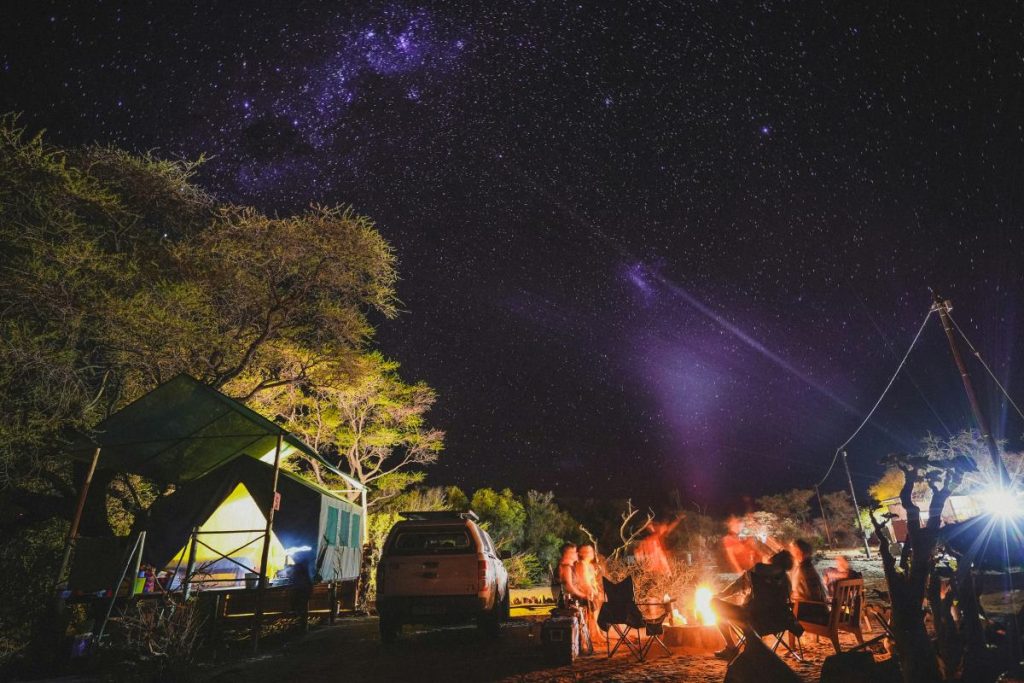
It’s the best way to experience Namibia’s own Matterhorn. From here, you can try your hand at hiking, rock climbing, and birding. After the sun sets, take in the light show as the stars come out over the Namib Desert.
Recommended route: Swakopmund – Spitzkoppe (approximately 150 km via the B2).
Traveller tip: Arrive before sunset so you have time to find your campsite and enjoy the incredible golden light across the granite formations.
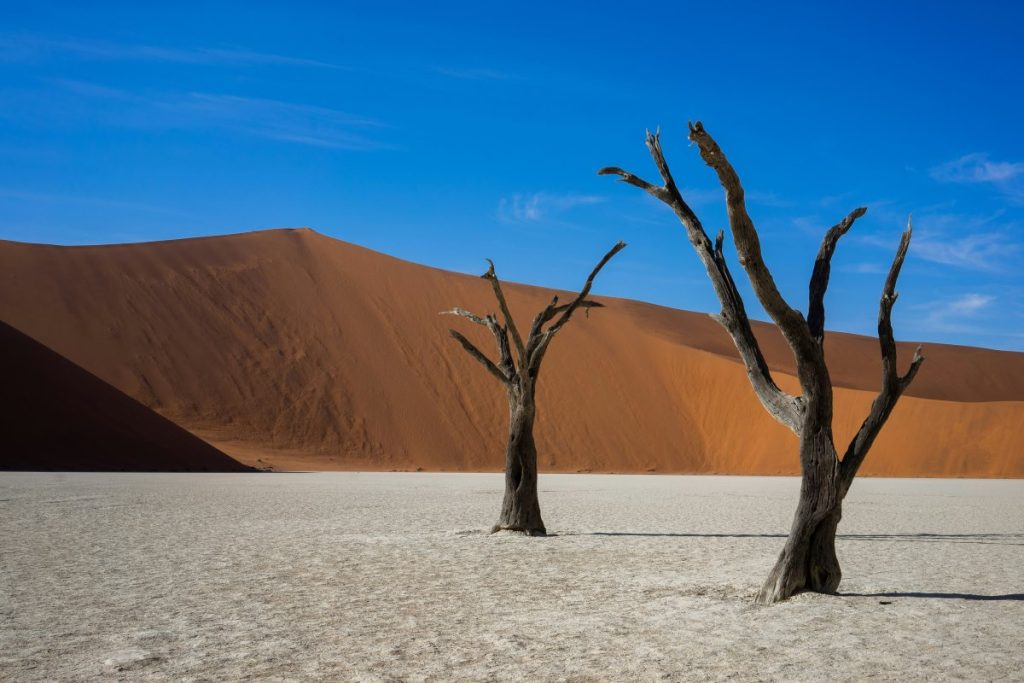
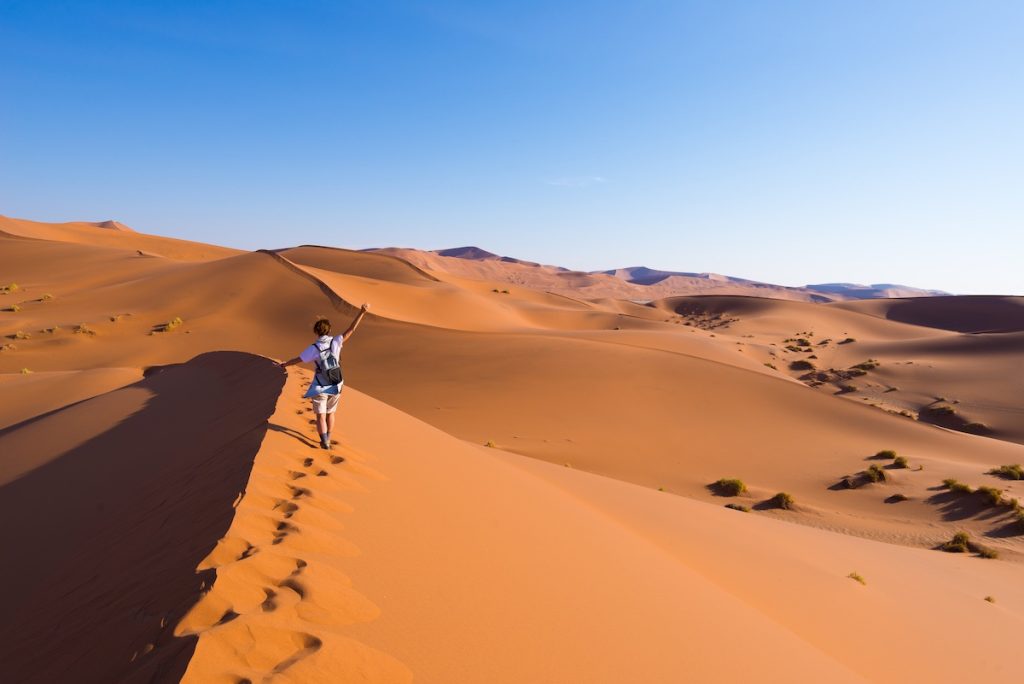
Sossusvlei and Deadvlei are two of Namibia’s most iconic attractions. Visitors travel from across the globe to photograph the stark, dead camelthorn trees reaching into the bright blue sky against a backdrop of towering red dunes, or to tackle the climb up Dune 45 and Big Daddy.
Periodically, the ephemeral Tsauchab River flows down from the Naukluft Mountains to fill the salt pans, but for most of the year, this spectacular landscape remains arid and heavily reliant on morning coastal fog.
While you cannot camp directly on the fragile salt pans at Deadvlei, you have two great options at the park entrance: staying inside the park gates at NWR Sesriem Campsite, or staying just outside at Sossus Oasis Campsite.
Wildlife like oryx and springbok regularly wander past the campsites, giving you an authentic Namibian overlanding experience right on the edge of the Namib Sand Sea.
Recommended route: Windhoek – Rehoboth – Maltahöhe – Sesriem (approximately 330 km via the B1, C24, and C19).
Traveller tip: Book your campsite months in advance—especially if you want an inside-the-gate permit for sunrise access. If you stay outside at Sossus Oasis, line up at the outer gate before first light to maximise your morning shadows on the dunes.
In the Nama language, /Ai-/Ais means “hot as fire”. That’s because near the Fish River Canyon, natural, sulphur-rich hot springs gush out of the earth, creating an incredible health and wellness resort. People have used the springs for more than 150 years, and today, they’re the site of the Ai-Ais Resort.
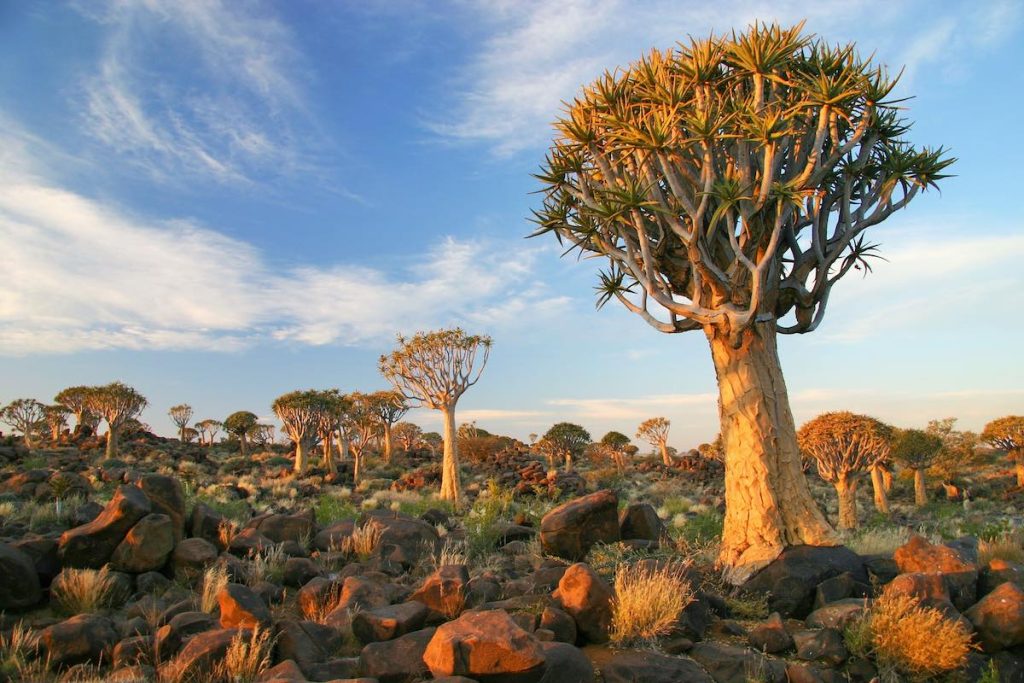
The geological feature forms part of the ǀAi-ǀAis/Richtersveld Transfrontier Park. This protected area spans 6,045 km² of wilderness in northern South Africa and southern Namibia. It’s home to some unique plant life, including the halfmens and the giant quiver tree.
The campsites at the Ai-Ais Resort lie along the riverbed at the end of the Fish River Canyon, marking the finishing point of the Fish River Canyon Hiking Trail. Here, travellers can combine camping in Namibia with the comfort of hot spring pools, a restaurant, and resort facilities.
Recommended route: Hobas – Ai-Ais (approximately 80 km).
Traveller tip: Ai-Ais is an excellent stop if you’re planning to head into South Africa, giving travellers a chance to rest before the long drive south.
A successful Namibia camping trip requires some preparation. Distances between towns are long, and remote areas often have limited services. Before setting off, make sure you have:
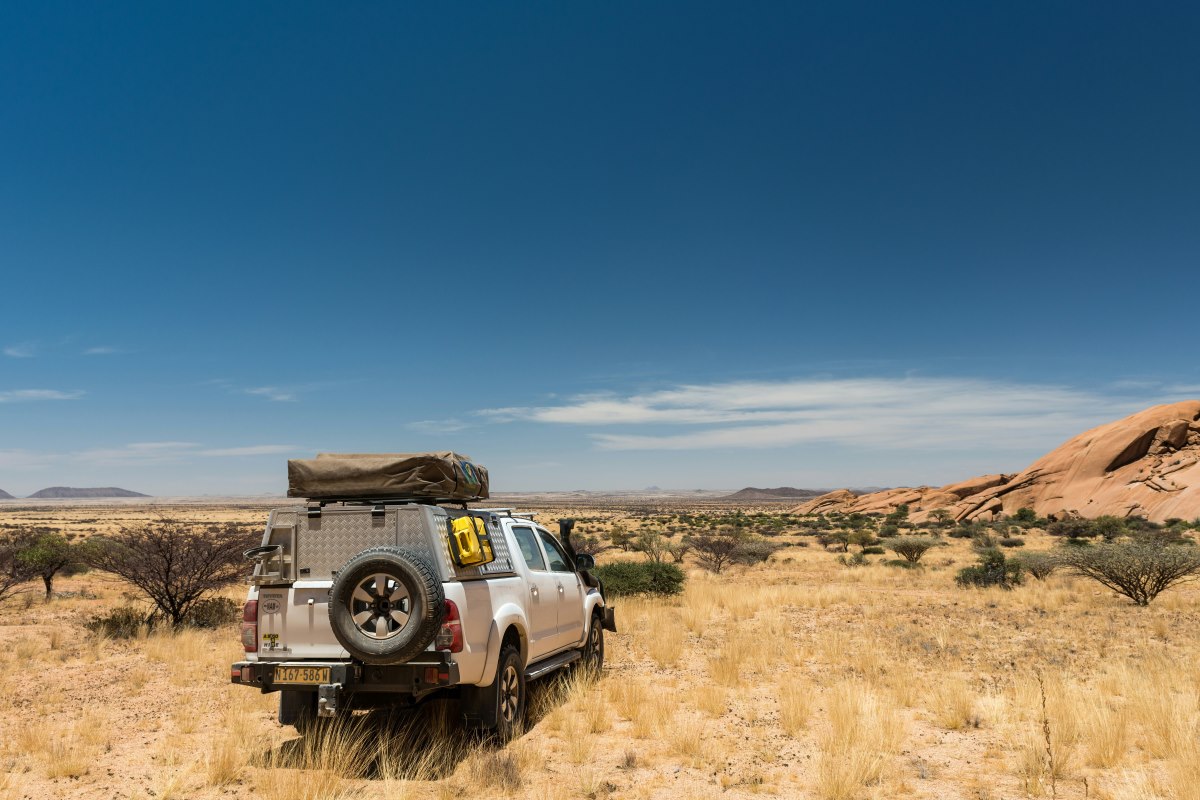
If you hire a fully equipped 4×4 camper, many essential items such as rooftop tents, cooking equipment, fridges, and recovery gear are already included with the rental. This makes your Namibia camping experience easier and more comfortable.
Do you need a 4×4 for camping in Namibia?
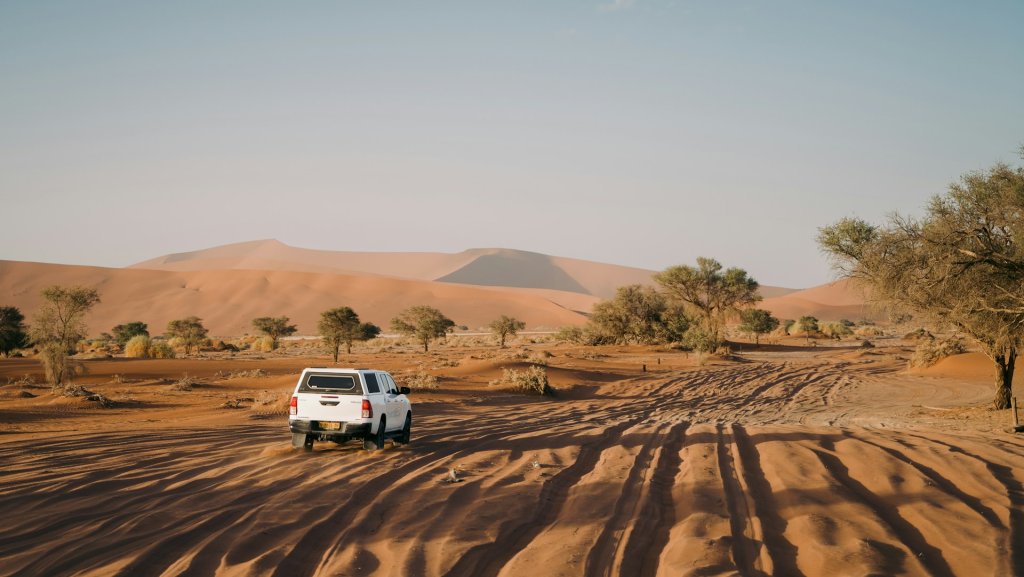
Not always. Many popular destinations, including Sossusvlei (though a 4×4 or shuttle is required for the final sand stretch), Fish River Canyon, and Etosha, can be reached with a high-clearance vehicle. However, a 4×4 is recommended for remote destinations such as Epupa Falls and places with more challenging gravel routes.
Is camping in Namibia safe?
Yes. Namibia is considered one of Africa’s best self-drive destinations. Travellers should still follow normal precautions like not driving after dark and respecting wildlife regulations when camping near national parks.
Can you camp inside Etosha National Park?
Yes. Official camps, including Olifantsrus, Okaukuejo, Halali, and Namutoni, offer campsites inside Etosha National Park, allowing visitors to stay close to excellent wildlife viewing areas.
What is the best time for camping in Namibia?
The dry season from May to October is generally considered the best time for camping in Namibia. Cooler temperatures, better road conditions, and concentrated wildlife sightings make this period especially popular for self-drive travellers.
You’ll need the right vehicle to navigate the country’s dusty, rocky roads. At Drive South Africa, we offer a wide selection of 4×4 rental options that you can pick up in South Africa or in Namibia itself.
From the towering dunes of Sossusvlei and the wildlife of Etosha National Park to the remote beauty of Epupa Falls, camping in Namibia offers an unforgettable way to experience one of Africa’s most spectacular destinations.
Ready to start your adventure? Explore Drive South Africa’s fully equipped range of 4×4 rentals and camper vehicles, and begin planning your perfect Namibia camping experience today.
Standing at the edge of a flooded trail with your engine idling, you watch muddy...
12 October 2026
Long before sunrise, a deep, resonant rumble drifts through the darkness. It’s the rainy season,...
4 September 2026
A Botswana green season safari offers one of Southern Africa’s most sensational wilderness transformations. Between...
1 September 2026



Typically responds in under 15 minutes