
What It’s Like to Camp in a 4x4 Across Botswana’s Wilderness
Long before sunrise, a deep, resonant rumble drifts through the darkness. It’s the rainy season,...
 4 September 2026




Searching...
Namibia is one of those countries that defy description; it’s a wide-open, big-sky place begging to be experienced through your windscreen, one dusty kilometre at a time. A Namibia itinerary takes you through vast deserts, past towering dunes, shipwreck-strewn coastlines, ancient rock art, desert-adapted wildlife and some of the darkest night skies on Earth.
A Namibia self-drive safari makes for one of Africa’s greatest road trips. Spend two weeks exploring this remarkable country in a capable 4×4, and you’ll return home with far more than photographs; you’ll have a new appreciation for awe and stories you’ll be telling for years.
We’ve designed the ultimate Namibia 14-day 4×4 road trip guide to showcase the desert country’s legendary landscapes while leaving enough flexibility to enjoy the freedom that makes road-tripping here so addictive.
| Days | Destination | Approx. drive | Overnight |
| 1-2 | Windhoek → Kalahari | 280km (3 hrs) | Kalahari lodge or campsite |
| 3-4 | Kalahari → Sossusvlei | 320km (5 hrs) | Sesriem/ Sossusvlei |
| 5-6 | Sossusvlei →Solitaire → Swakopmund | 350km (5-6 hrs) | Swakopmund |
| 7 | Swakopmund & Walvis Bay | Local Driving | Swakopmund |
| 8-9 | Swakopmund → Cape Cross → Damaraland | 330 km (5-6 hrs) | Twyfelfontein/ Damaraland |
| 10-12 | Damaraland → Etosha National Park | 400km (6 hrs) | Okaukuejo/Halali |
| 13 | Etosha → Waterberg Plateau | 300km (4 hrs) | Waterberg Plateau |
| 14 | Waterberg → Windhoek | 300km (4 hrs) | Departure |
These driving times are approximate and exclude sightseeing stops. It’s important to remember that speed limits on gravel roads are lower than on sealed highways.
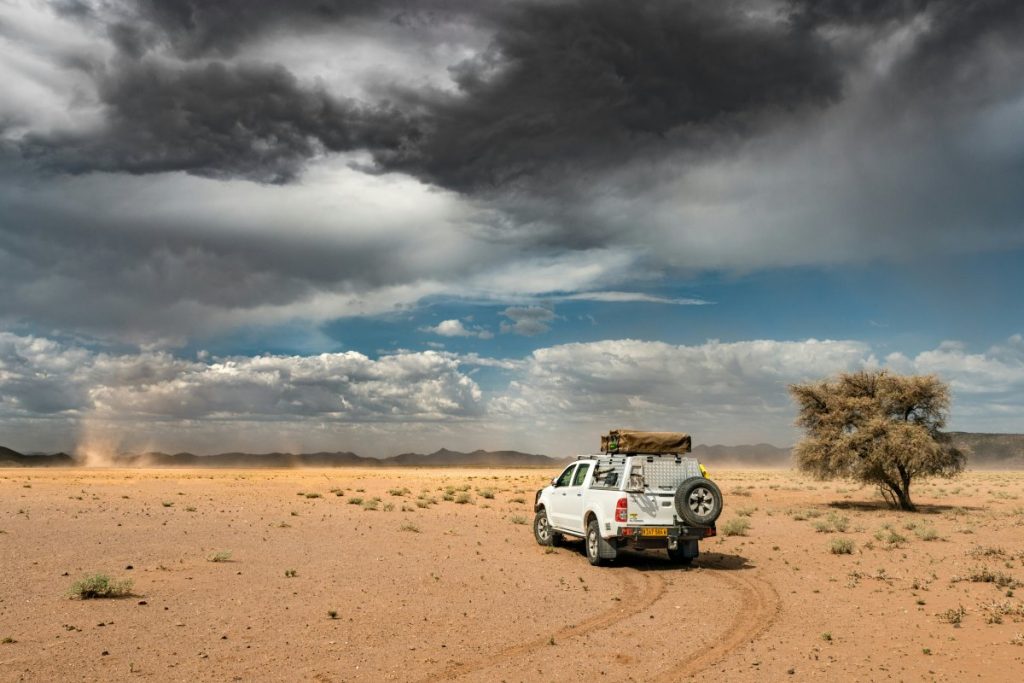
Few countries reward independent travellers quite like Namibia. The distances are enormous, the traffic is remarkably light, and many of the greatest attractions are beyond the tar roads.
Although certain sections can technically be driven in a sedan, a 4×4 dramatically improves your comfort and safety. Much of Namibia’s road network is gravel, with miles of bumpy, corrugated surfaces and sandy tracks. If you’re venturing into Sossusvlei, Damaraland, Kaokoland or remote conservancies – and who wouldn’t? – a 4×4 is particularly recommended.
A higher-clearance vehicle also gives you:
Many travellers choose a fully equipped 4×4 with a rooftop tent. This means you can set up camp at spectacular wilderness campsites without the hassle of carrying separate camping gear.
Modern rental vehicles typically include bedding, cooking equipment, fridge/freezers, tables, chairs, and dual batteries, making them ideal for an extended road trip through the wildlands.
Hiring a fully equipped 4×4 from Drive South Africa is one of the smartest decisions you can make. You’re able to compare vehicles from different suppliers, and there are camping- equipped and non-camping-equipped options to suit your plans. You also have support from the team in Cape Town.
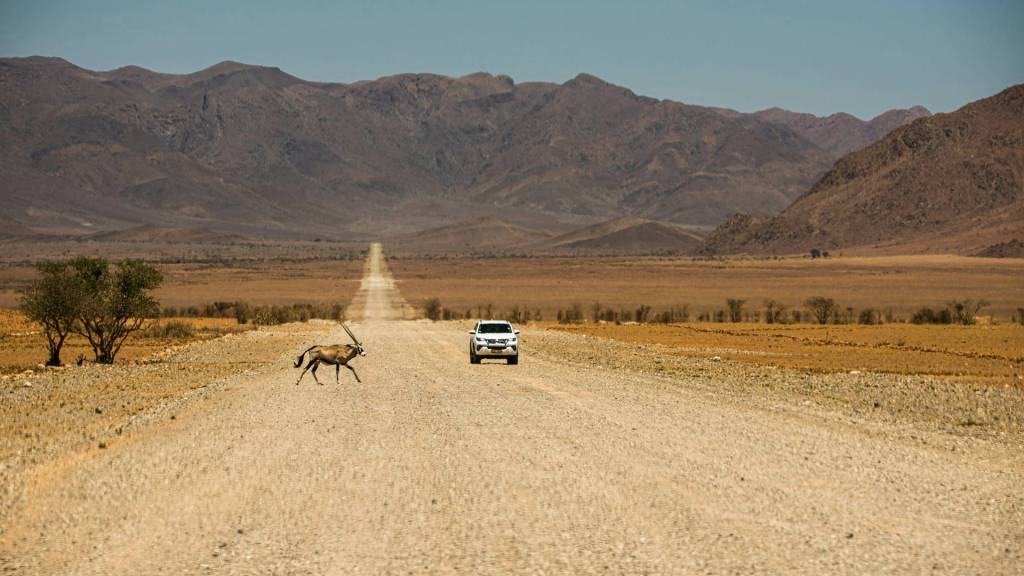
Even experienced road trippers should prepare carefully before tackling one of the world’s great overland adventures.
In Namibia, you drive on the left-hand side of the road, making it familiar for visitors from South Africa, the UK, and several Commonwealth countries.
Many gravel roads appear smooth but can become extremely slippery, particularly after grading. Reduce your speed well before bends and avoid sudden steering or braking.
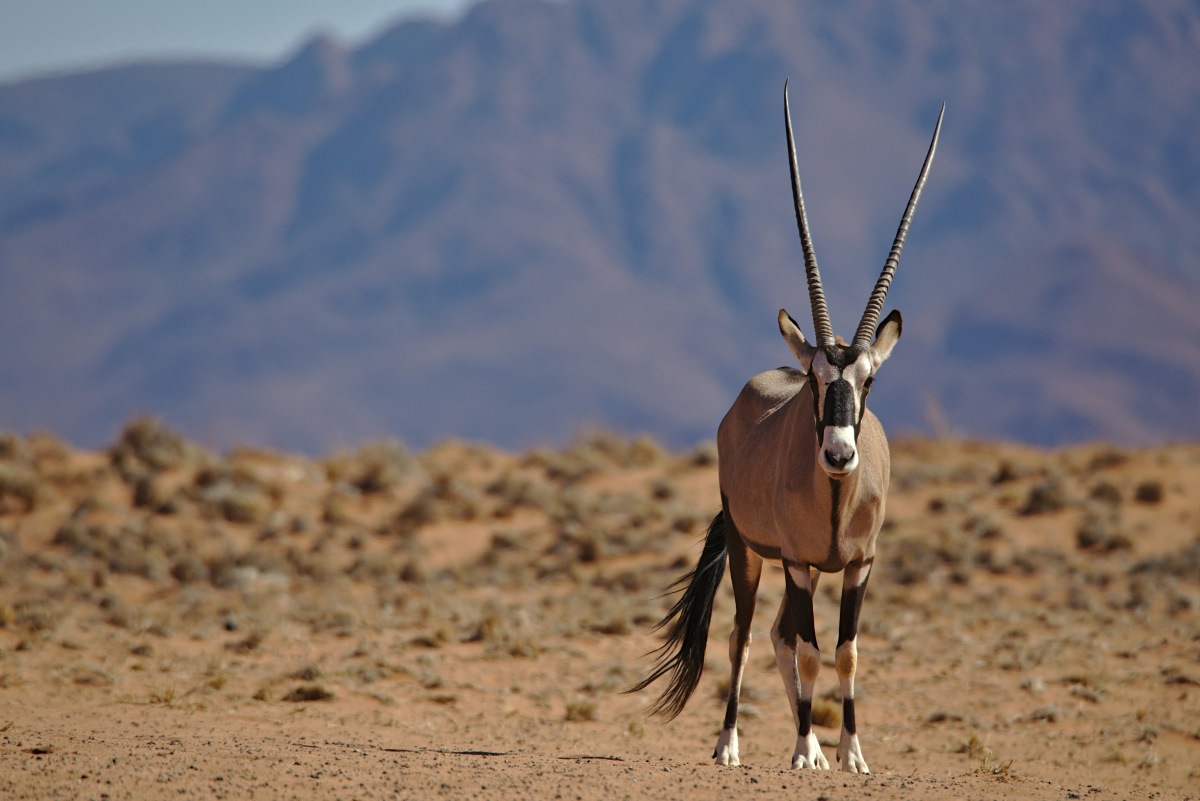
Springbok, gemsbok, warthogs, ostriches, and even elephants may cross roads unexpectedly, particularly at dawn and dusk. Avoid driving after dark wherever possible.
One of the biggest mistakes first-time visitors make is leaving tyre pressures too high. Slightly lowering pressure on gravel roads improves grip and comfort and reduces puncture risk. Drive South Africa will recommend appropriate pressures for each section of your route.
Mobile signal disappears across large parts of Namibia. Download offline navigation using Google Maps or Maps.me before leaving Windhoek, and carry a paper map as backup.
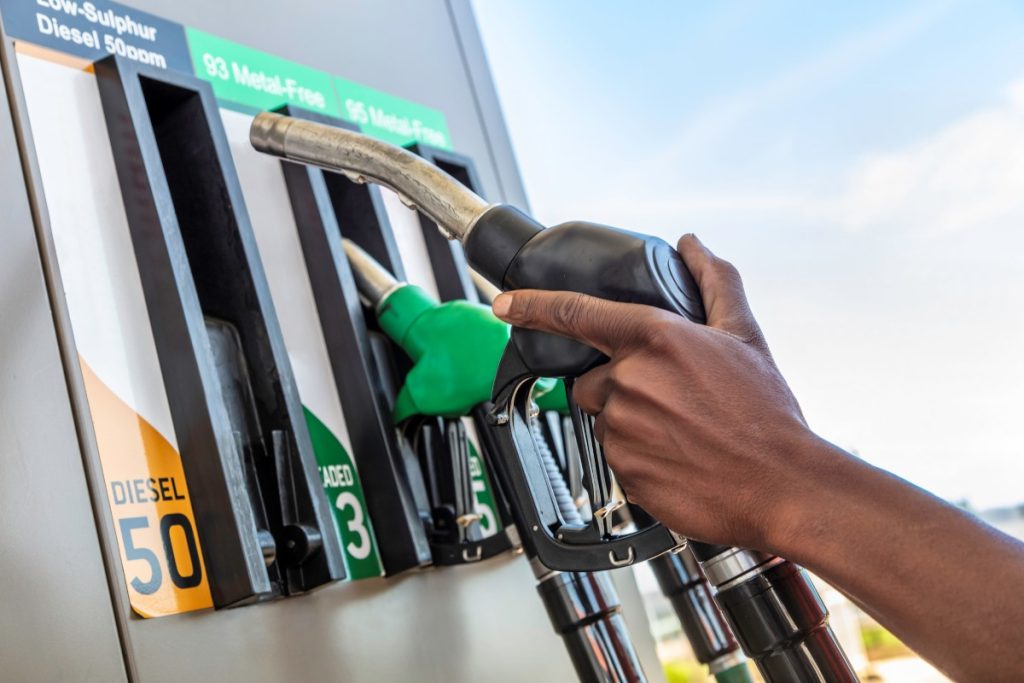
Distances between fuel stations can be huge – more than 200 km in some instances. A rule of thumb is to never pass a filling station if your tank is below half. Also, have cash on you just in case card machines lose signal in rural areas.
Approximate drive: 280 km (about 3 hours)
You can collect your fully equipped 4×4 from Drive South Africa at Windhoek’s Hosea Kutako International Airport or in the city centre. Stock up on supplies, and then head out of town, south-east towards the mesmerising red dunes of the Kalahari.
Although it’s often overshadowed by the Namib Desert, the Kalahari offers an entirely different beauty. Soft crimson dunes roll towards the horizon, thorn trees dot the landscape, and wildlife thrives in surprising abundance.
Expect to see:
Spend your first evening settling into the slower rhythm that defines travelling through Namibia.
Approximate drive: 320 km (about 5 hours)
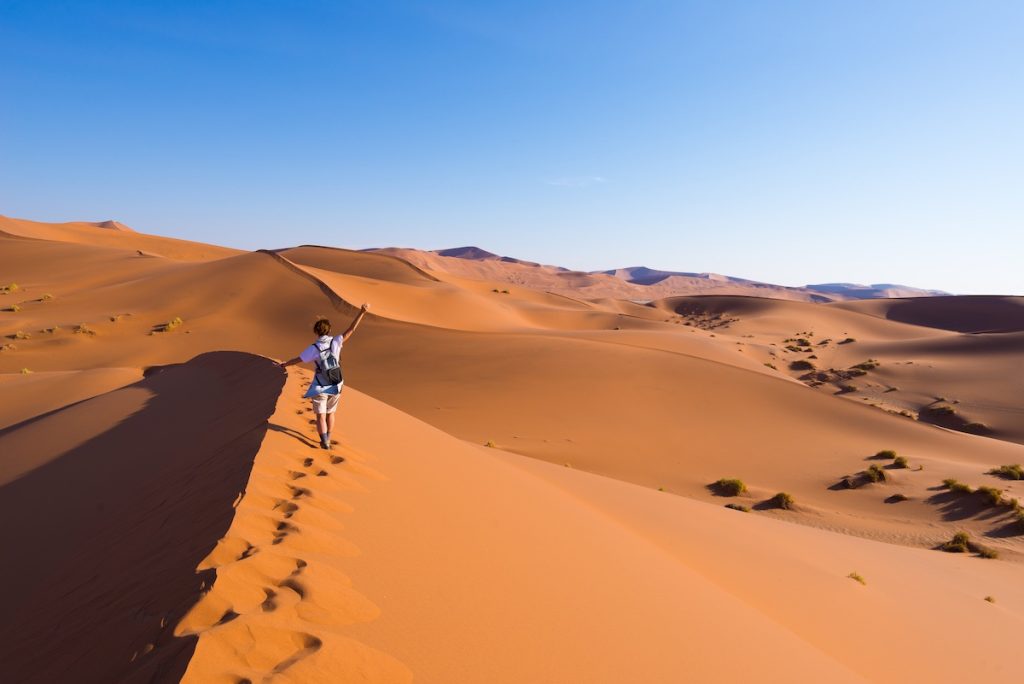
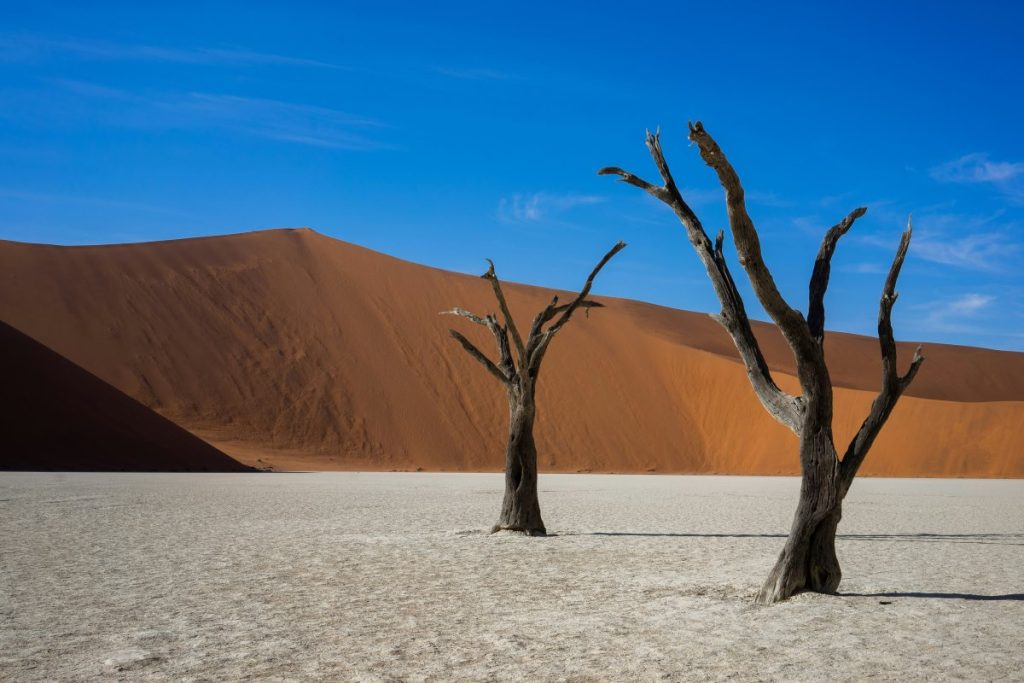
No Namibia itinerary of 14 days would be complete without visiting the famed dunes of the Namib Desert.
You’re best advised to arrive the afternoon before your planned dune excursion. This gives you the opportunity for an early start the following morning – dawn at Sossusvlei is otherworldly.
Get up and on the road well before sunrise to enter the park as the gates open.
Highlights include:
You either need to go via shuttle or in a properly equipped 4×4 for the final sandy section beyond the 2×4 parking area.
The constantly changing light transforms the dunes throughout the day, making sunrise and sunset particularly magical.
Important to know: Sesriem operates on a two-gate system. Staying at a campsite or lodge inside the outer park gate gives you access through the inner gate an hour before sunrise, which is essential if you want to reach Dune 45 or Deadvlei in time to catch the early morning light on the dunes.
Approximate drive: 350 km (about 5-6 hours)
The drive from Sossusvlei to Swakopmund is one of Africa’s great scenic routes.
Pass through the tiny settlement of Solitaire, which is famous for its unexpectedly delicious apple pie, before climbing over dramatic mountain passes and descending towards the Atlantic coast.
Swakopmund is almost surreal after days in the desert. In this unusual coastal town, German colonial architecture meets adventure tourism, excellent seafood, and cool ocean air.
Popular activities include:
Take an afternoon to simply wander the streets before enjoying fresh seafood overlooking the Atlantic.
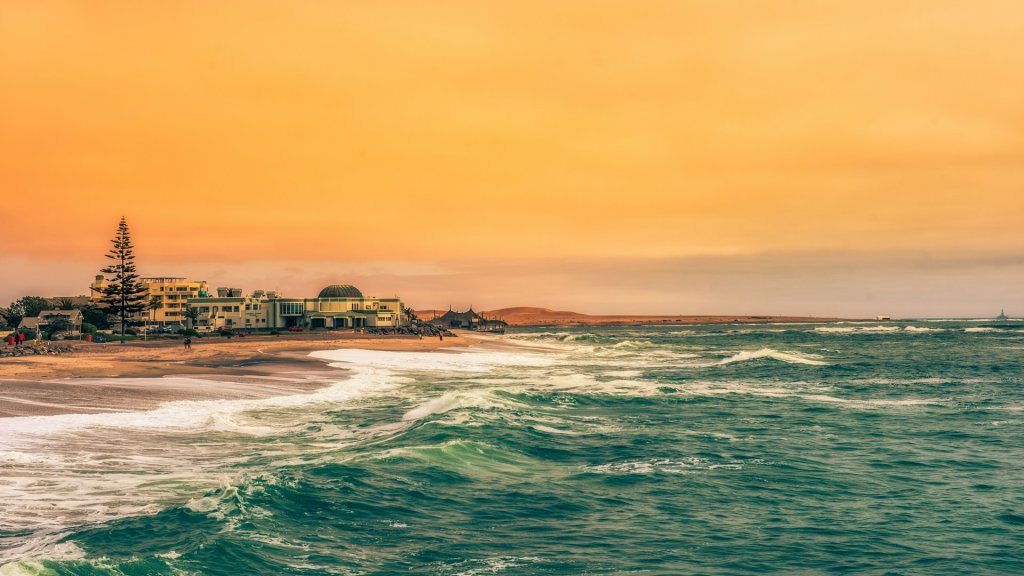
Approximate drive: Local Driving (approx. 60-80 km total)
Take a day to enjoy the adventure capital of Namibia and its coastal surroundings. Drive 30 minutes south to Walvis Bay to spot flamingos in the lagoon or join a marine catamaran cruise.
Alternatively, embark on a guided 4×4 excursion to Sandwich Harbour, where giant sand dunes plunge directly into the Atlantic Ocean. Finish your day back in Swakopmund with fresh seafood overlooking the ocean.
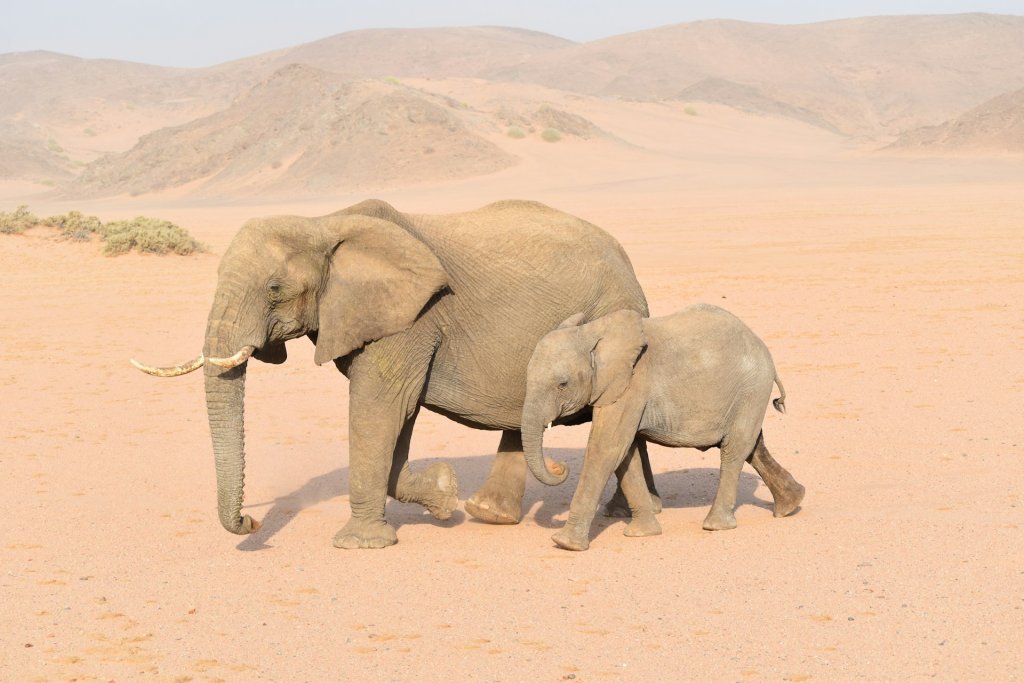
Approximate drive: 330 km (about 5-6 hours)
Depart Swakopmund heading north along the iconic coastal Salt Road toward Cape Cross Seal Reserve, home to one of the largest breeding colonies of Cape fur seals in the world. The sight – and smell – of tens of thousands of seals on the beach is unforgettable.
From Cape Cross, turn inland past the towering Brandberg Mountain into the remote vastness of Damaraland, where the landscape transitions into granite kopjes and dry riverbeds.
Keep an eye out for:
Visit Twyfelfontein, a UNESCO World Heritage Site containing more than 2,500 ancient San rock engravings.
Nearby attractions include:
The scenery alone makes this one of the finest sections of any Namibia self-drive itinerary.
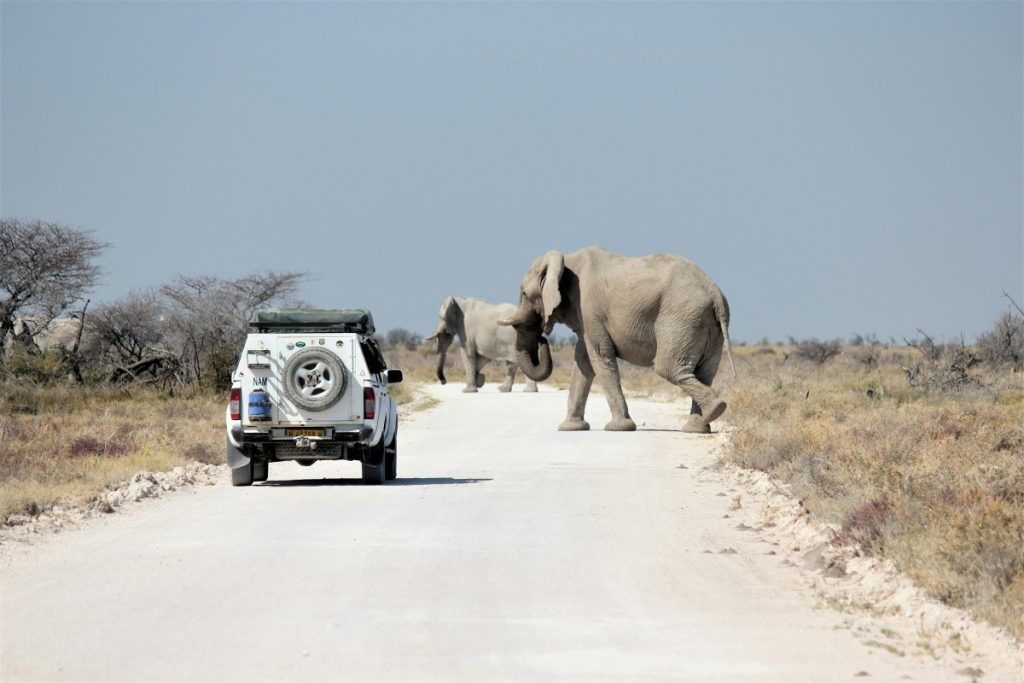
Approximate drive: 400 km (about 6 hours)
Etosha deserves at least three days to get to grips with its remarkable beauty and wildness.
Wildlife congregates around permanent waterholes, making game viewing exceptionally rewarding.
Expect sightings of:
The joy of being in your own 4×4 is that you can drive between waterholes at your own pace.
It allows you one of Etosha’s greatest pleasures: simply parking quietly and waiting. Animals arrive on their own schedule, and this way, you fit into their routine.
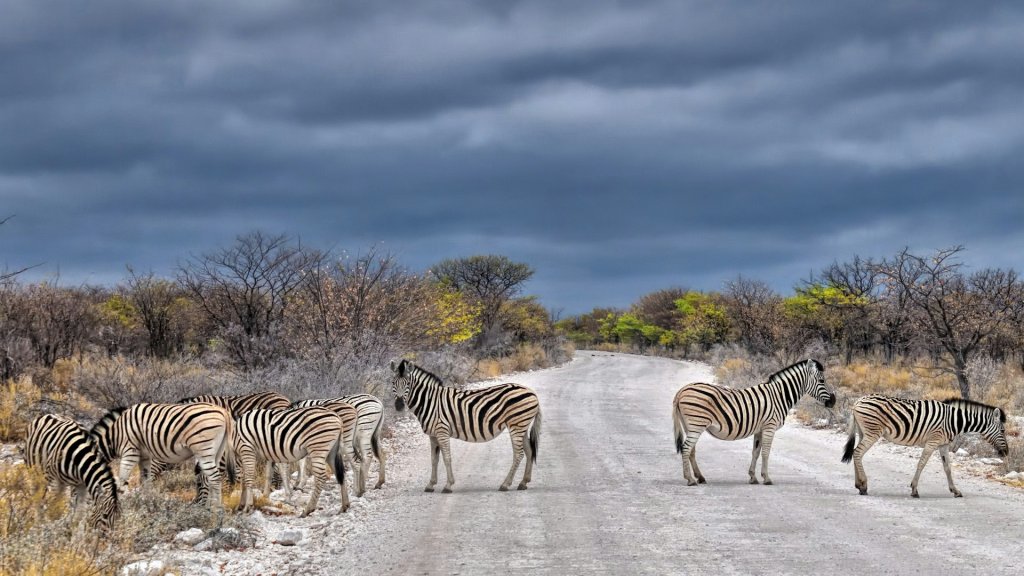
Approximate drive: 300 km (about 4 hours)
Leaving Etosha, head south towards the striking sandstone cliffs of Waterberg Plateau.
This area combines beautiful hiking, rich birdlife, and fascinating conservation history.
Several endangered species have been reintroduced here, while panoramic walking trails offer sweeping views across northern Namibia.
After days of long-distance driving, it’s an excellent place to stretch your legs before returning to Windhoek.
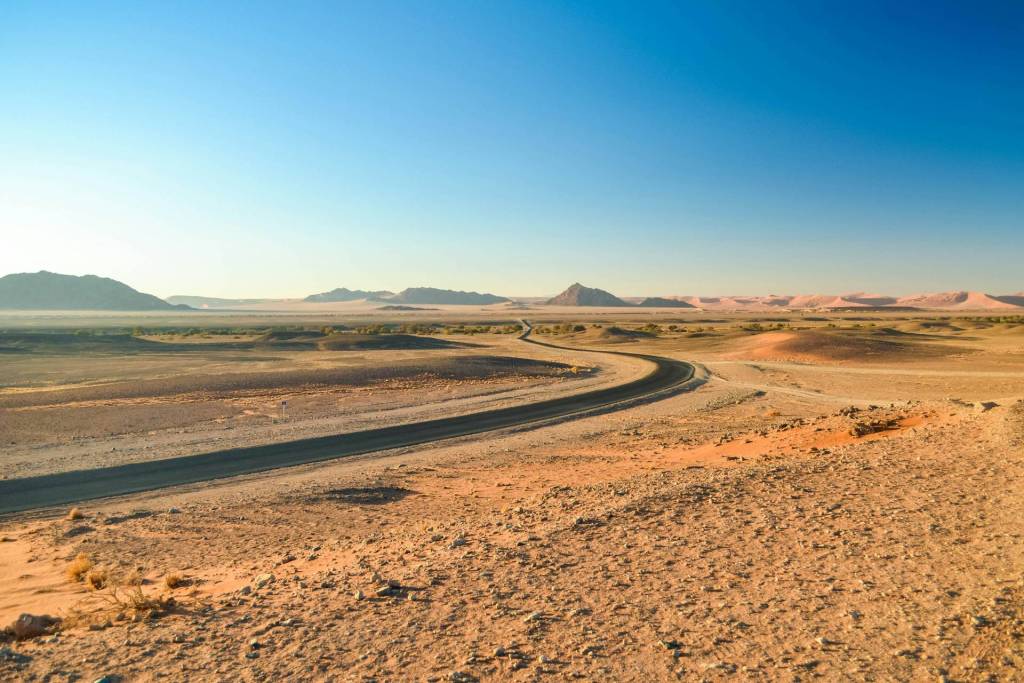
Approximate drive: 300 km (4 hours)
End your unforgettable Namibia self-drive safari by returning to Windhoek.
If time allows before your flight, explore:
Then hand back your well-travelled 4×4, with considerably more dust than when you collected it.
Windhoek → Kalahari → Sossusvlei → Solitaire → Swakopmund (& Walvis Bay) → Cape Cross → Damaraland → Etosha National Park → Waterberg Plateau → Windhoek
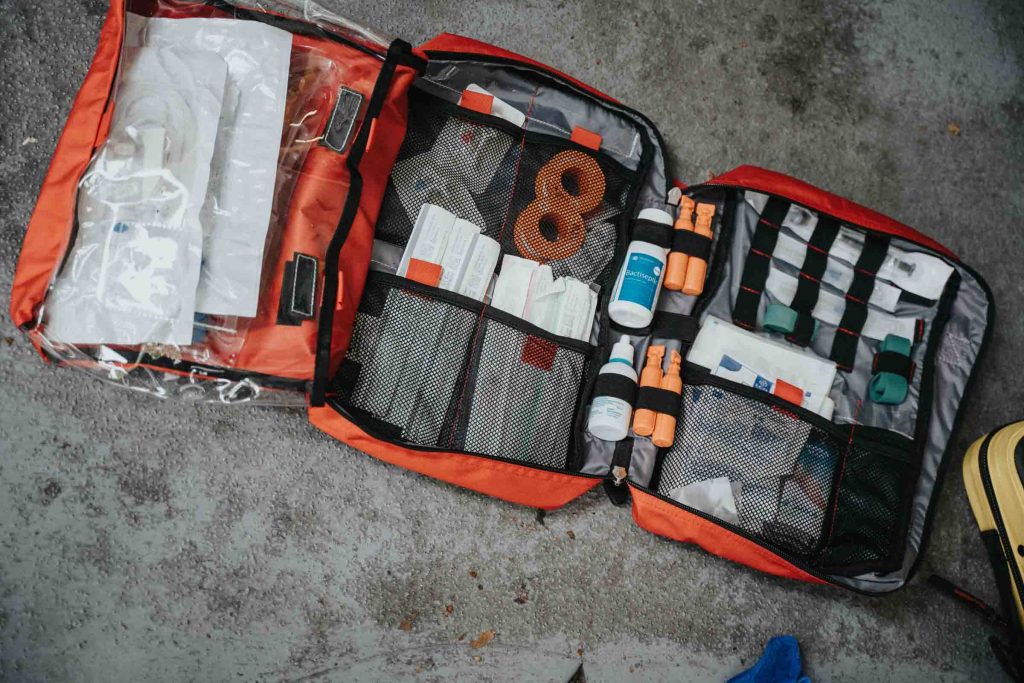
A successful Namibia 4×4 road trip guide always starts with sensible packing.
Bring:
Namibia can be visited year-round, but each season offers something different.
May to October (dry season)
November to April (green season)
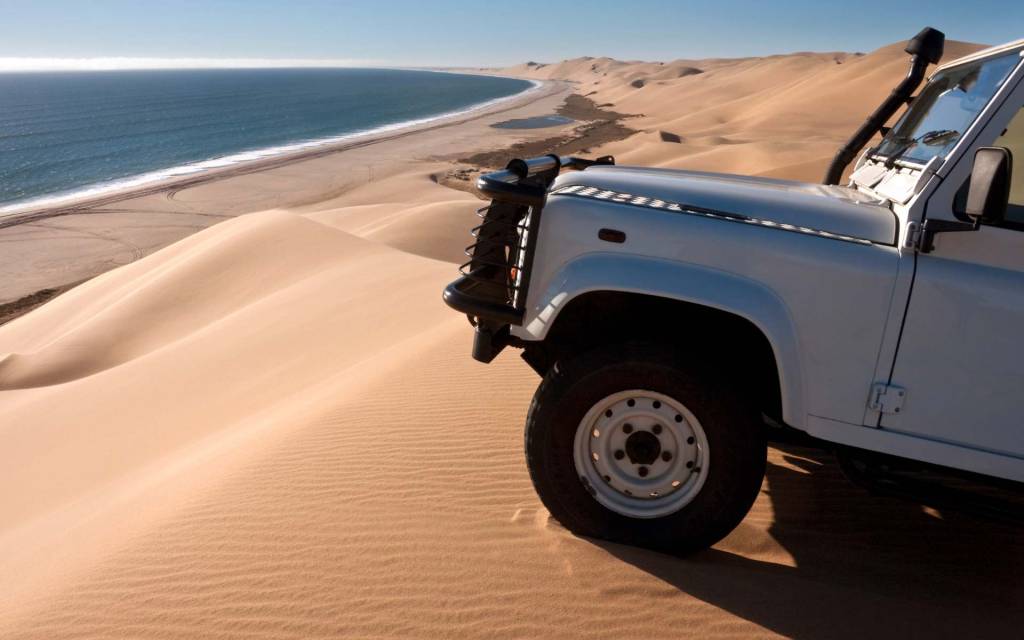
A fortnight may seem like plenty of time, but Namibia is huge and diverse, taking you from climbing the towering dunes of Sossusvlei to watching desert-adapted elephants wander through a dry riverbed. And every day ends beneath a sky overflowing with stars.
That’s the magic of a well-planned Namibia itinerary. Travelling by 4×4 gives you the freedom to experience the country at your own pace, to linger where the scenery steals your breath, and to discover unexpected moments between the famous landmarks.
With a dependable 4×4 from Drive South Africa, careful planning, and a sense of adventure, you’ll be perfectly equipped to experience one of the planet’s most spectacular road trips.
Long before sunrise, a deep, resonant rumble drifts through the darkness. It’s the rainy season,...
4 September 2026
A Botswana green season safari offers one of Southern Africa’s most sensational wilderness transformations. Between...
1 September 2026
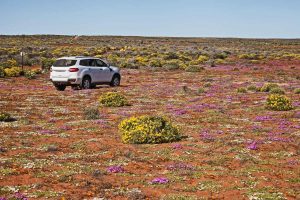
South Africa in August is a country of scenic contrasts. In the north, dry landscapes...
21 August 2026



Typically responds in under 15 minutes