


Wildlife Driving Etiquette and Safety: Essential Self-Drive Safari Tips
Heading out on a self-drive adventure across Southern Africa offers unmatched freedom and thrilling game...
 13 November 2026





Searching...
Towering sandstone peaks, fragrant fynbos slopes, and sweeping ocean vistas make the southwestern tip of Africa an unmatched outdoor playground. While day walks up Lion’s Head or Table Mountain are famous, heading deeper into the wilderness on multi-day overnight hikes in Cape Town offers a deeper connection to nature.
Spending a night under the stars – whether in a rustic stone hut or an eco-friendly coastal camp – delivers an experience that brief day trips can’t match.
Because trailheads are scattered across nature reserves outside urban public transit networks, having your own vehicle is essential. Renting a car gives you the freedom to stow bulky backpacks securely in a closed boot, navigate unpaved trailhead roads, and travel on your own schedule.
Here’s your comprehensive guide to the top overnight hiking trails Cape Town and the surrounding Western Cape mountain ranges offer, complete with essential trail data, overnight facilities, and driving logistics.
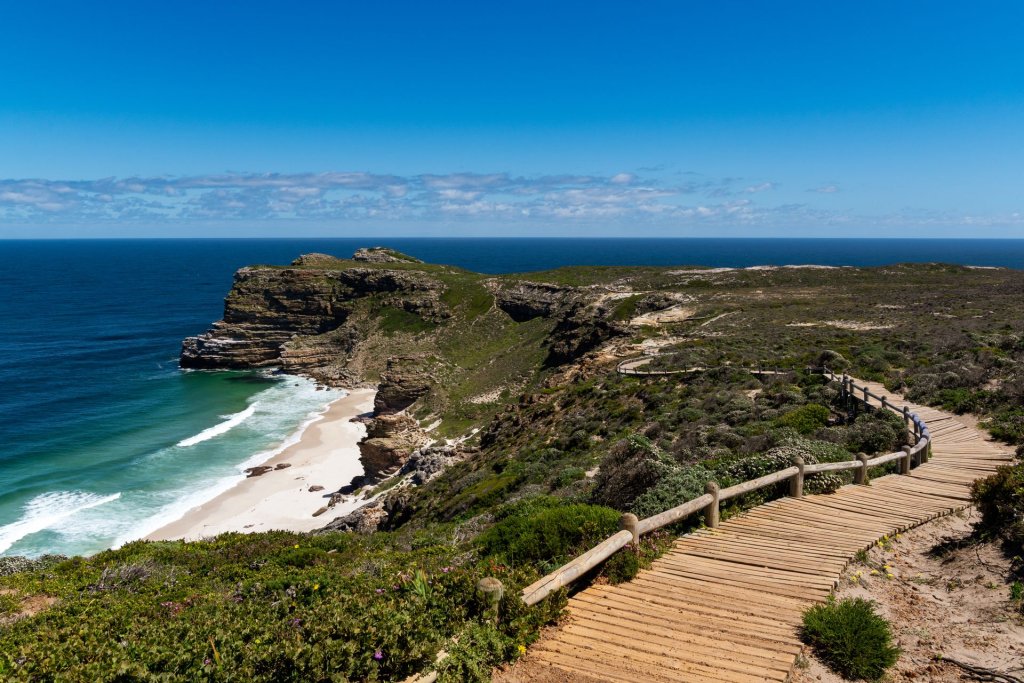
Set within the coastal wilderness of the Cape Peninsula, this two-day circular route winds across coastal bluffs, secluded sandy bays, and wild dunes. It’s widely considered one of the very best overnight hikes near Cape Town for coastal wildlife viewing, with frequent sightings of bontebok, Cape mountain zebra, and ostriches foraging along the shoreline.

The trail begins and ends at the Cape Point entrance gate inside Cape Point, roughly 70 km south of central Cape Town (approximately 1 hour and 15 minutes via the M3 and M4).
The main entrance gate is staffed around the clock, providing secure overnight parking for hikers at the visitor centre. Well-paved tar roads run throughout the reserve, making a standard 2WD vehicle suitable. Choose a vehicle with a lockable boot to keep luggage concealed while you’re on the trail.
Important: Never leave food outside your accommodation or leave doors unlocked – there are baboons in the area.
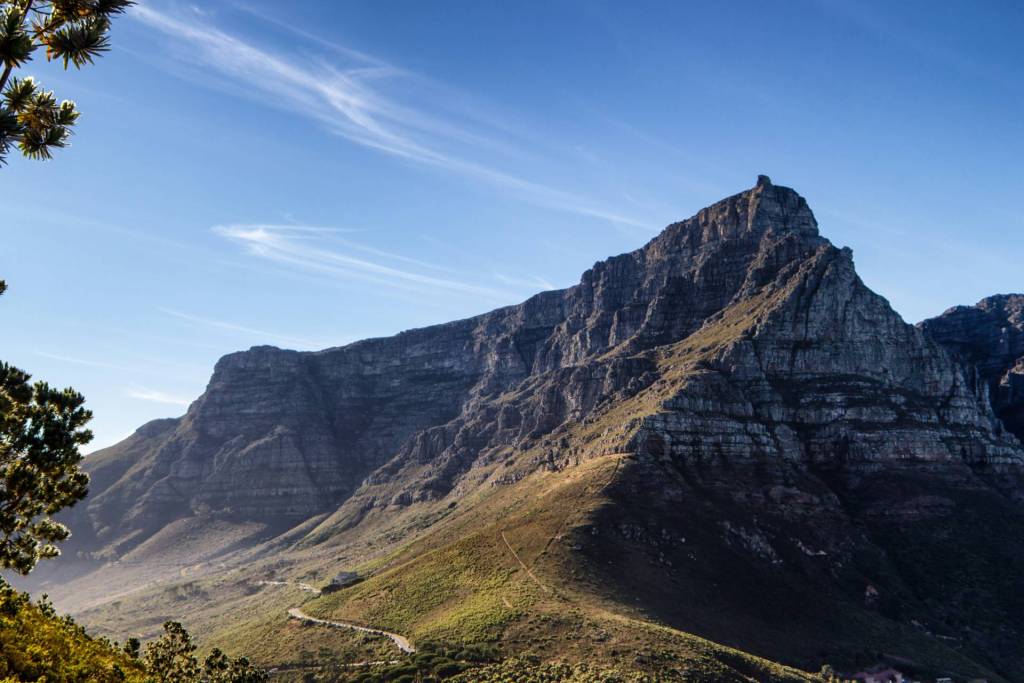
Hoerikwaggo is the indigenous Khoisan name for Table Mountain, meaning “Mountain in the Sea”. While historically managed as an extended 75 km thru-hike across the spine of the peninsula, today hikers typically book individual two- to three-day section hikes utilising SANParks tented camps. The route combines dramatic cliff walks above the Atlantic Ocean with quiet pockets of indigenous Afromontane forest.
Because this is a linear route, point-to-point driving logistics require forward planning.
While day visitors park at Kloof Nek, leaving a vehicle unattended on public mountain roads overnight for multiple days isn’t advised. The most practical plan is to arrange a point-to-point transfer to your trailhead, leaving your rental vehicle securely parked at your base accommodation until you complete your hike.
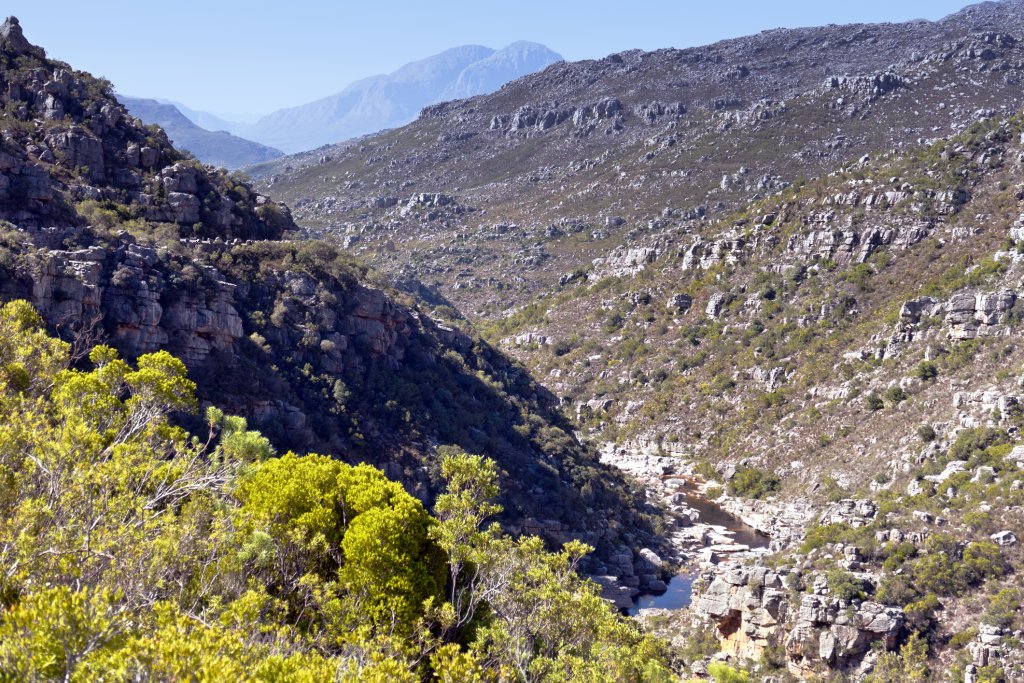
Located northeast of Paarl in the Limietberg Nature Reserve, this rugged circular hike explores the steep gorges and crags of the Cape Winelands. The reserve protects the historic Bainskloof Pass and supplies crystal-clear streams, deep swimming pools, and undisturbed fynbos slopes.
The trail starts at the Tweede Tol office on the R301 (Bainskloof Pass), situated roughly 85 km from Cape Town (~1 hour and 20 minutes).
The pass is paved but narrow, featuring blind corners and steep cliff drops. Tweede Tol offers gated entry with secure on-site parking managed by CapeNature rangers, making it a safe place to park your rental car during your hike.

For hikers who prefer wilderness walking paired with comfortable country accommodation, the Fynbos Trail in the Overberg region offers one of the best overnight hiking trips Cape Town visitors can experience. Traversing private conservancy reserves near Stanford and Hermanus, the route guides you through coastal milkwood groves, mountain fynbos, and ancient forest valleys.
The base camp is near Stanford, roughly 150 km from Cape Town (~2 hours via the N2 and R43).
While primary roads are tarred, the final farm approach roads are unpaved gravel. A crossover or compact SUV provides greater clearance over bumpy farm lanes. Secure, gated farm parking is provided at the starting point.
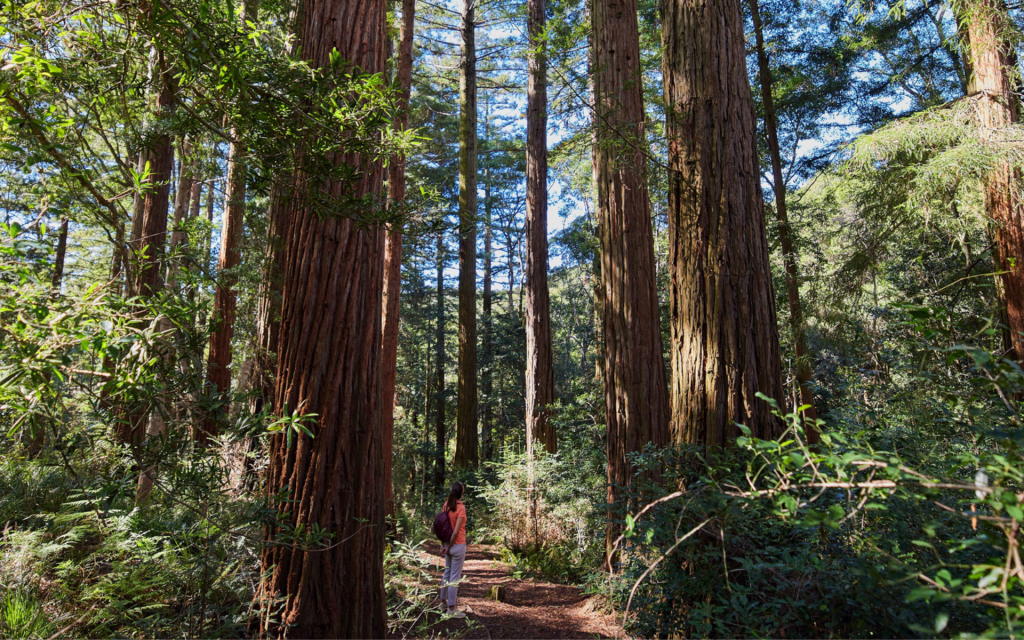
For seasoned adventurers seeking remote terrain, this is arguably the premier trail for rugged overnight hikes in the Western Cape. Boosmansbos translates to “Angry Man’s Forest”, named after a hermit who lived in these mountains in the 19th century.
Important Road Trip Note: Unlike the urban-fringe trails above, Boosmansbos is located roughly 290 km east of Cape Town in the Langeberg mountain range near Heidelberg. Driving there takes approximately 3.5 to 4 hours via the N2 highway, making it an extended road trip rather than a quick trip from the city.

The trailhead begins at the Grootvadersbosch Nature Reserve office. Follow the N2 east from Cape Town toward Swellendam, turning toward Suurbraak. The final 22 km follows unpaved farm gravel roads that can become rutted during wet weather.
Hikers can park securely behind the CapeNature boom gate. Due to the rough gravel approach and long highway drive, a high-clearance SUV or rugged 4×4 is strongly recommended.

Reaching trailheads safely and carrying bulky outdoor gear requires selecting the right vehicle for the journey. Many trailheads sit on remote gravel roads where low-slung hatchbacks can struggle. Leaving luggage visible through hatchback glass also invites break-ins at isolated trailheads, making an enclosed boot a vital consideration.

What are the best overnight hikes near Cape Town for beginners?
For beginners and families, the Fynbos Trail in the Overberg is the top pick – it features moderate daily distances, well-graded paths, and optional “slackpacking” services where your heavy luggage is transferred between comfortable lodges for you.
Do I need a permit for overnight hikes in Cape Town?
Yes. All overnight hiking routes in Cape Town and Western Cape nature reserves require advance bookings and official permits. Table Mountain National Park routes are handled by SANParks, while reserves like Limietberg and Boosmansbos are booked via CapeNature.
Can I access Cape Town hiking trailheads using public transport?
Public transport does not run to remote trailheads like Cape Point, Bainskloof, or Grootvadersbosch. Renting a car in Cape Town is the safest, most dependable way to reach remote nature reserves, transport heavy hiking packs, and return on your own schedule.
What vehicle is best for reaching Western Cape trailheads?
A standard sedan with an enclosed boot works well for paved routes like Cape Point. For remote wilderness trailheads that require driving on unpaved gravel roads, an SUV or 4×4 vehicle with high ground clearance is recommended.
Ready to lace up your boots and explore the best trails the Western Cape has to offer? Use our booking tool at the top of the page to compare vehicle options and reserve your car rental with Drive South Africa today!
Heading out on a self-drive adventure across Southern Africa offers unmatched freedom and thrilling game...
13 November 2026

Standing at the edge of a flooded trail with your engine idling, you watch muddy...
12 October 2026
Long before sunrise, a deep, resonant rumble drifts through the darkness. It’s the rainy season,...
4 September 2026



Typically responds in under 15 minutes
