



Searching...
May to September is typically the cheapest window to fly to South Africa from major hubs in Europe, North America, and Australia – often saving travellers up to 40% compared to peak summer fares.
While South Africa offers exceptional on-the-ground value – from its dramatic landscapes and extraordinary wildlife safaris to its cosmopolitan coastal cities – long-haul airfare remains the largest upfront expense of any holiday. Locking in lower flight prices leaves far more in your travel wallet for memorable experiences, whether you’re wine tasting in the Cape or taking a self-drive safari through the bushveld.
To help you uncover genuine South Africa flight deals without sacrificing great weather or wildlife viewing, here’s your definitive seasonal guide, complete with hub comparisons, booking secrets, and travel tips.

Airfares fluctuate depending on your departure airport and local school holidays. Before we get into the nitty gritty, here’s a quick breakdown of when you’ll find the cheapest flights to South Africa and the optimal windows to lock in your tickets:

Across almost all international long-haul flight paths, the cheapest window to fly to South Africa falls between May and September, with these months consistently yielding the lowest baseline seat prices.
This window corresponds to the Southern Hemisphere winter and early spring. Because the Northern Hemisphere is enjoying warm summer weather, outbound long-haul leisure travel to the south declines, prompting major airlines to reduce fares to maintain passenger volumes.
By contrast, the most expensive time to fly is during the peak summer rush from mid-December through January. During the Christmas and New Year festive season, return economy fares can easily double or triple compared to mid-year prices.
If your travel dates are flexible, avoiding school holidays and booking your journey in May to September delivers the most affordable ticket prices of the year.

When scouting the cheapest time to visit South Africa, many travellers assume that cheap flights equate to poor weather or limited holiday attractions. In reality, South Africa features distinct regional microclimates that create a fantastic travel paradox.
South Africa Seasonal Climate Snapshot:

In the northern savannah reserves, winter (May to September) is the dry season. Far from being an off-peak period for nature lovers, this is universally regarded as the premier wildlife-viewing season.
Because rainfall is rare, vegetation thins and bushwillows lose their leaves, opening up clear sightlines through the wilderness. Animals are forced to congregate around remaining waterholes and permanent river channels, making lions, leopards, rhinos, and elephants far easier to track and spot.
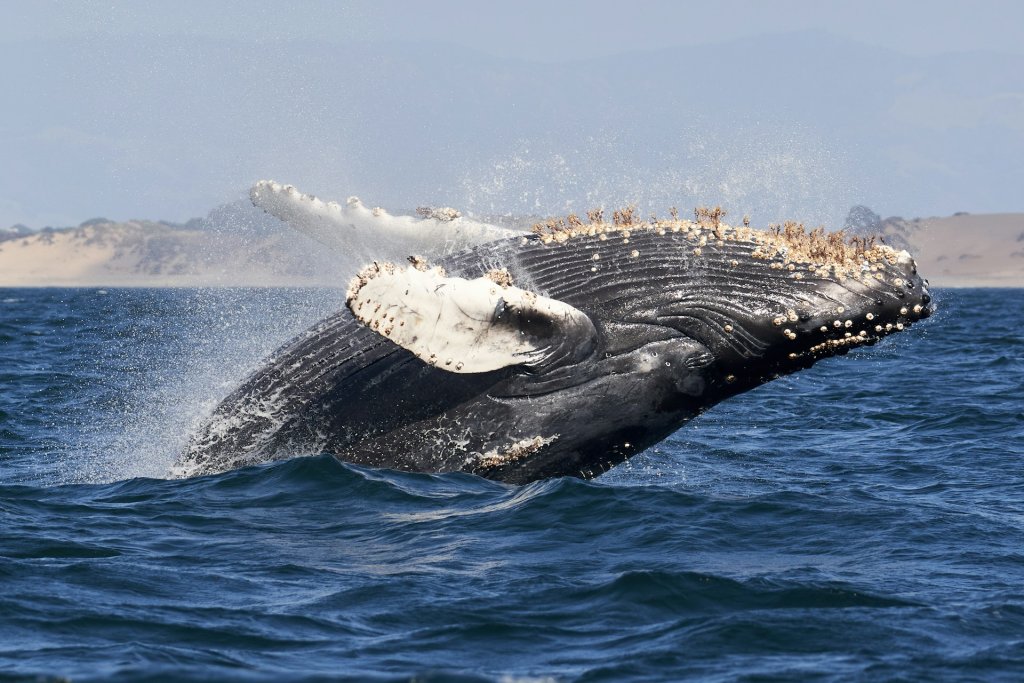
Cape Town and the Western Cape follow a Mediterranean climate pattern, receiving most of their rainfall between June and August. While winter brings cooler temperatures and occasional coastal rains to Cape Town, it also turns the mountain slopes lush and green. Furthermore, late winter and early spring bring world-class southern right whale watching along the Overberg coastline and spectacular carpets of spring wildflowers across the West Coast in August and September.
By planning a combined itinerary – spending time on safari in the dry north and exploring the uncrowded Winelands in the south – you can enjoy top-tier travel experiences while taking full advantage of low winter flight costs.

Travellers who coordinate their holidays with off-peak international flights unlock an extraordinary budget advantage. You fly at low-season flight rates while arriving right at the absolute peak of safari game viewing.
Pairing low flight costs with an independent safari road trip makes world-class wildlife viewing remarkably affordable.

Finding low airfares isn’t just about when you fly – it’s also about when and how you book.
Airlines use dynamic pricing algorithms that adjust seat prices as departure dates approach. For long-haul routes into Johannesburg (JNB) or Cape Town (CPT), the sweet spot for booking is between four to seven months in advance.
Booking too early (over 10 months ahead) often means paying static baseline rates before seasonal sales are launched. Conversely, waiting until the final six weeks frequently results in steep fare hikes.
There isn’t a single “best day” to book flights. Airline pricing changes fares continuously based on demand in real-time.
However, choosing to depart on a Tuesday or Wednesday rather than a Friday or Sunday can instantly trim your ticket total.
Never purchase the first price you see. Use flight comparison aggregators like Google Flights or Skyscanner to set up price tracking alerts for your preferred travel dates. When an airline releases promotional seats, you’ll receive an immediate notification to lock in the lower price.

Securing affordable flights is only the first step in creating a cost-effective South African holiday. The way you choose to travel once you touch down on the tarmac has a massive impact on your total holiday budget.
Joining guided overland bus tours or relying on point-to-point private transfers can quickly erase all the money you saved on airfares. On the other hand, taking a self-drive holiday offers complete schedule freedom while keeping transportation costs transparent and low.
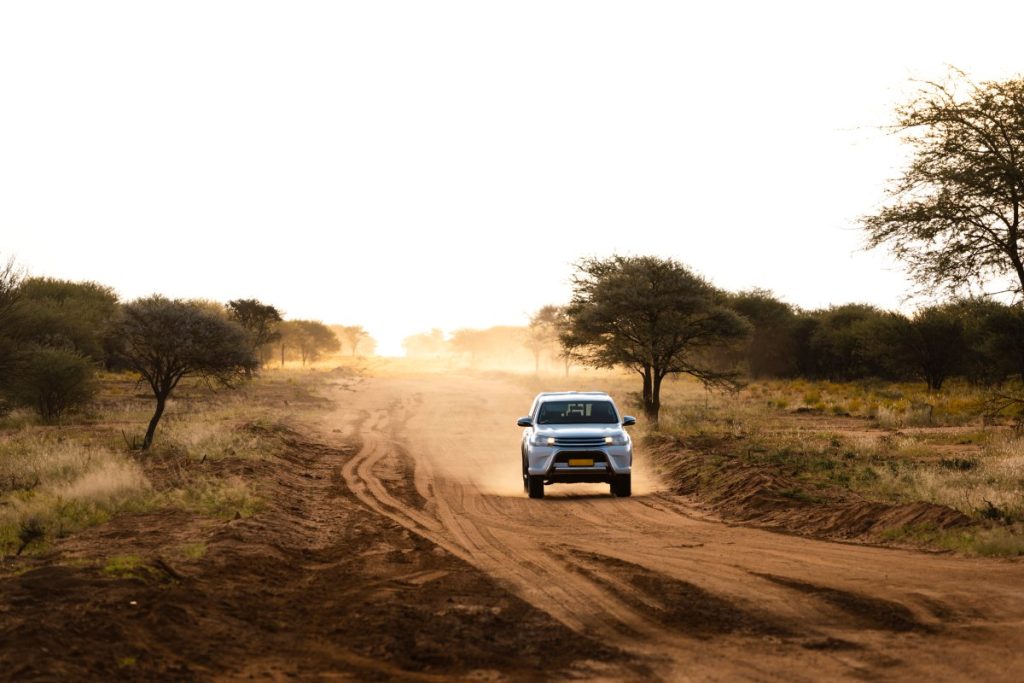
The best time to go to South Africa for a safari is between May and September. The winter bush is thin, water sources are limited, and animals gather in large numbers around permanent waterholes and rivers, making them easy to view.
The best time to visit in South Africa for warm beach weather and outdoor dining in Cape Town is from November to March. However, if you prefer avoiding tourist crowds and enjoy wine tasting next to roaring log fires, visiting during the winter months (June to August) offers a relaxed and economical experience.
Booking your rental vehicle in advance can save you money compared to last-minute depot rates. Lock in your wheels early to secure the best rates and vehicle availability.
Ready to turn your dream African holiday into reality without overspending? Now that you know the cheapest time to go to South Africa, pick your travel dates, use our booking tool at the top of the page to compare rates, and secure your rental vehicle with Drive South Africa today.



Typically responds in under 15 minutes